Product Overview
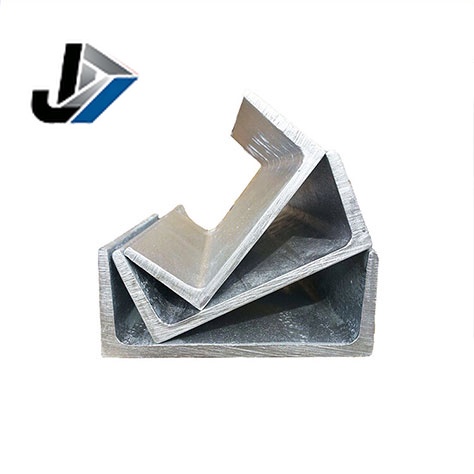
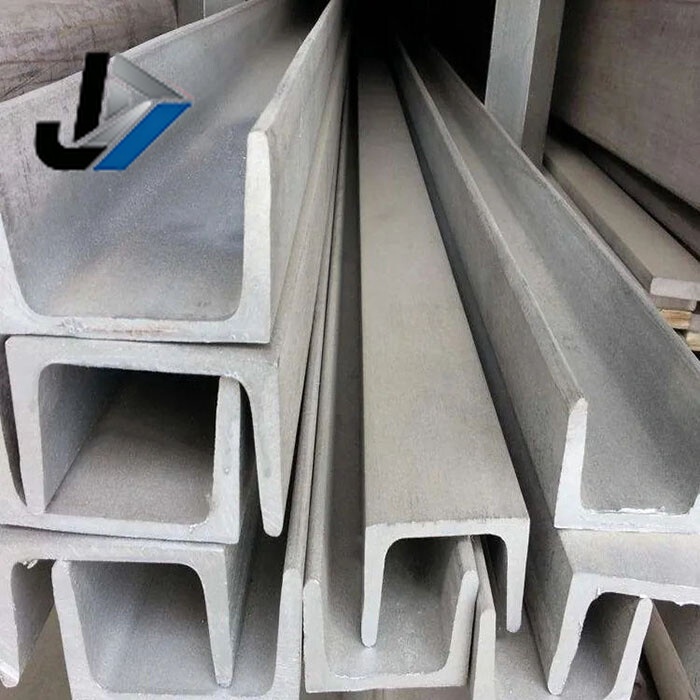
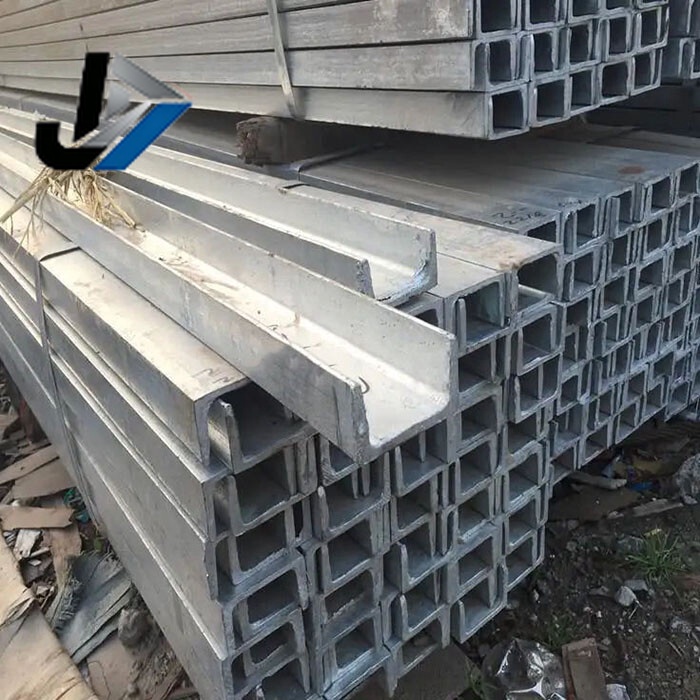
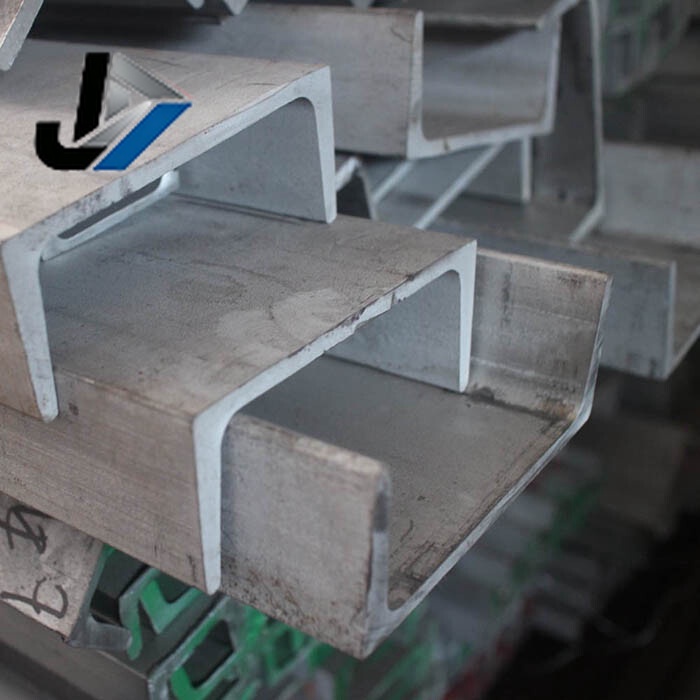
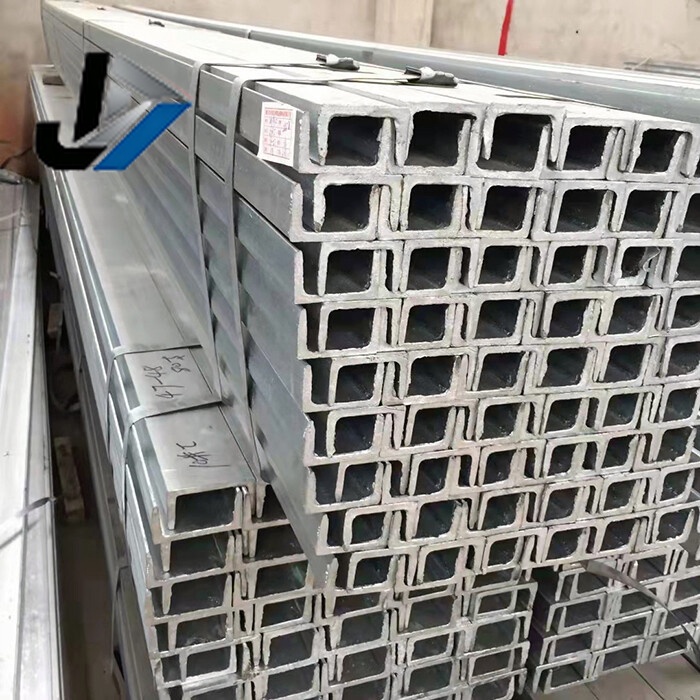
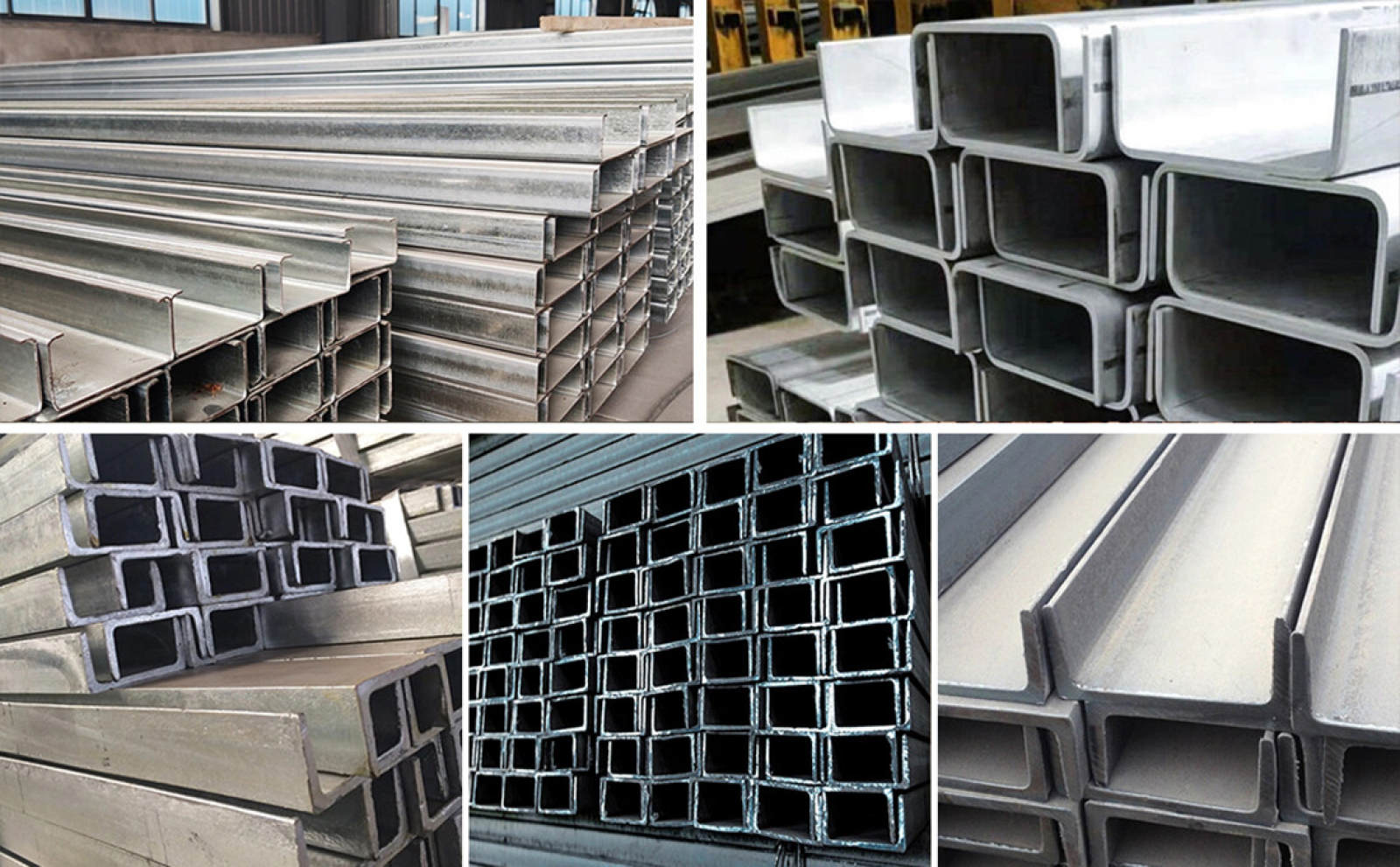
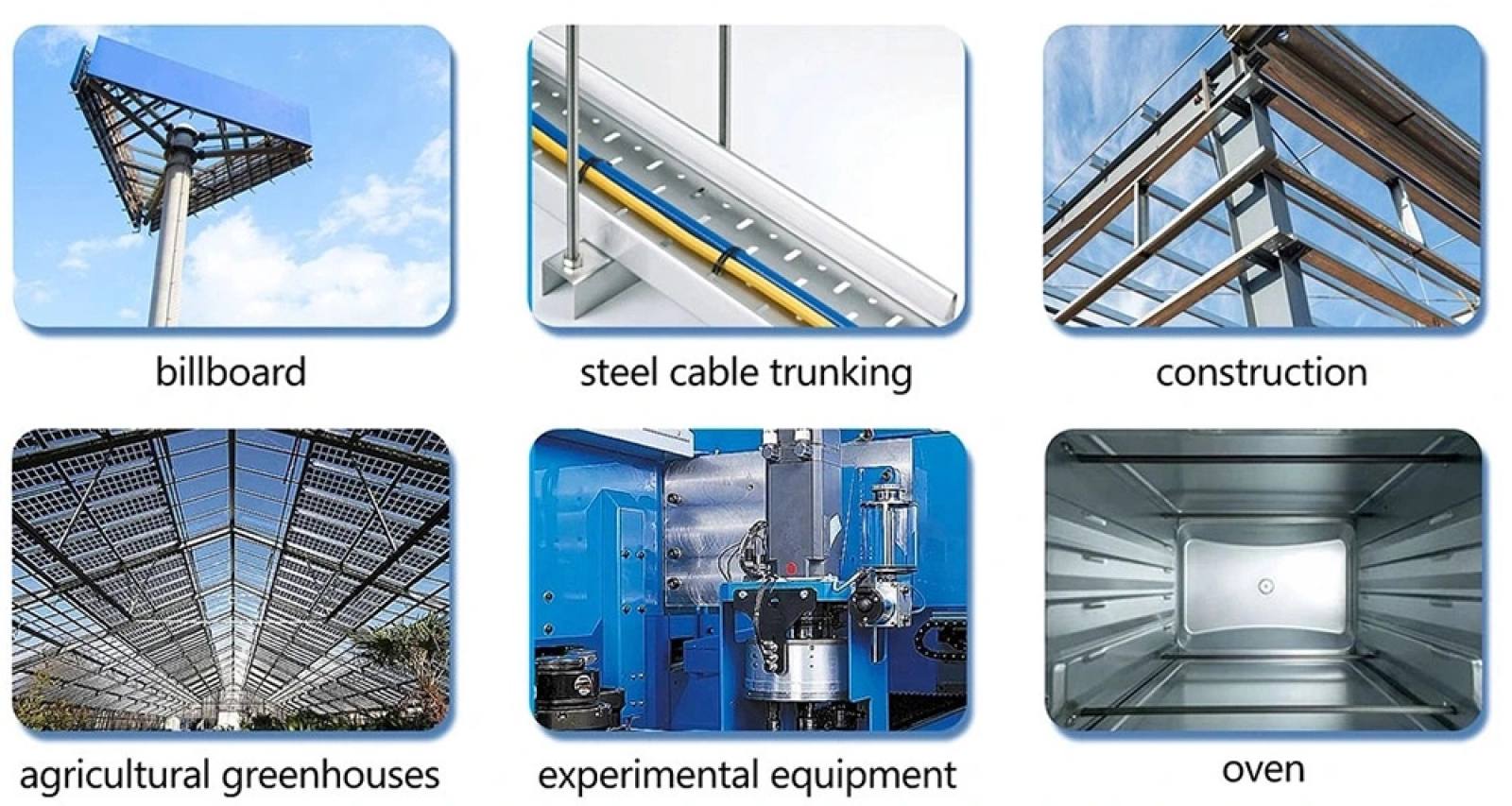
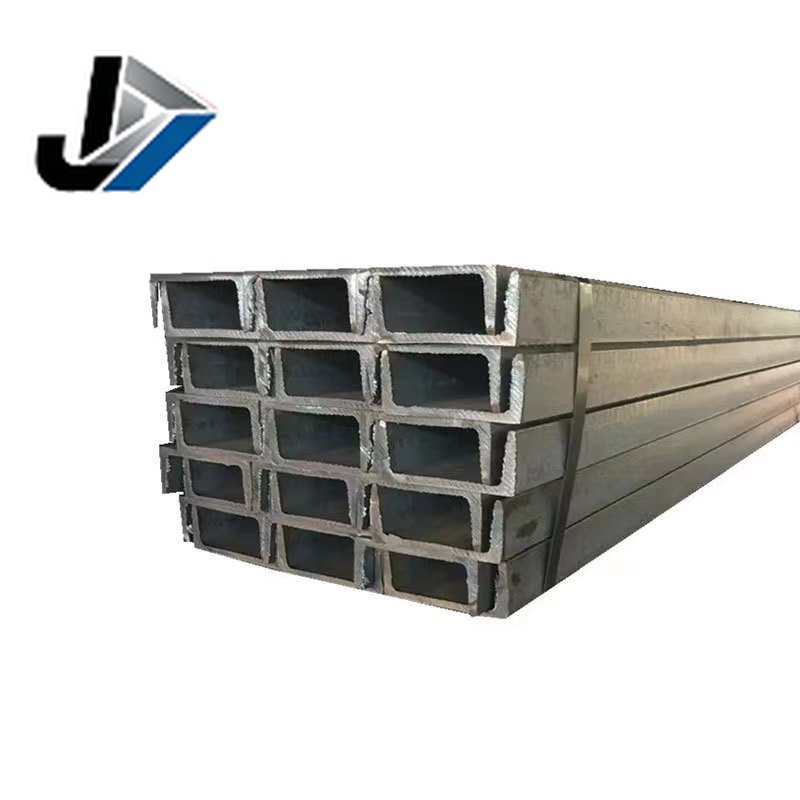
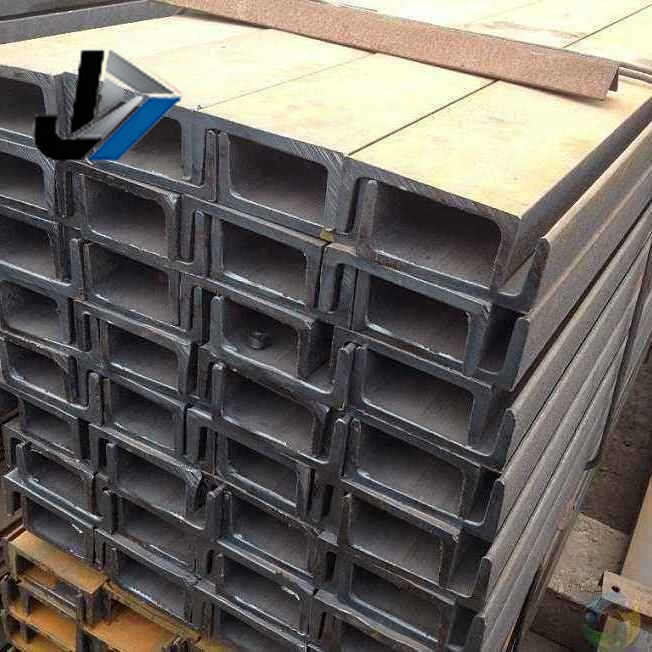
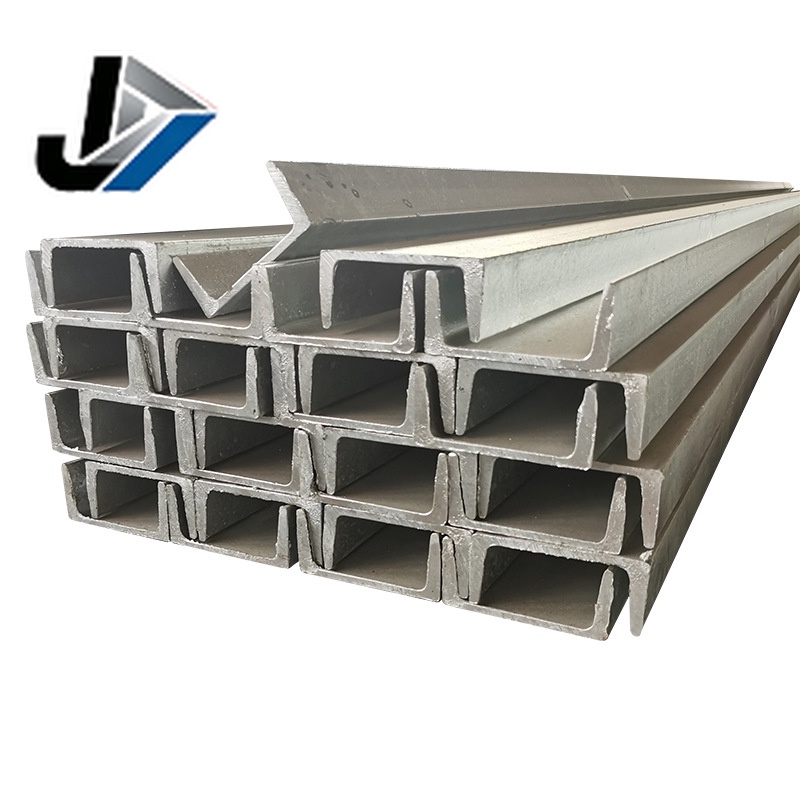
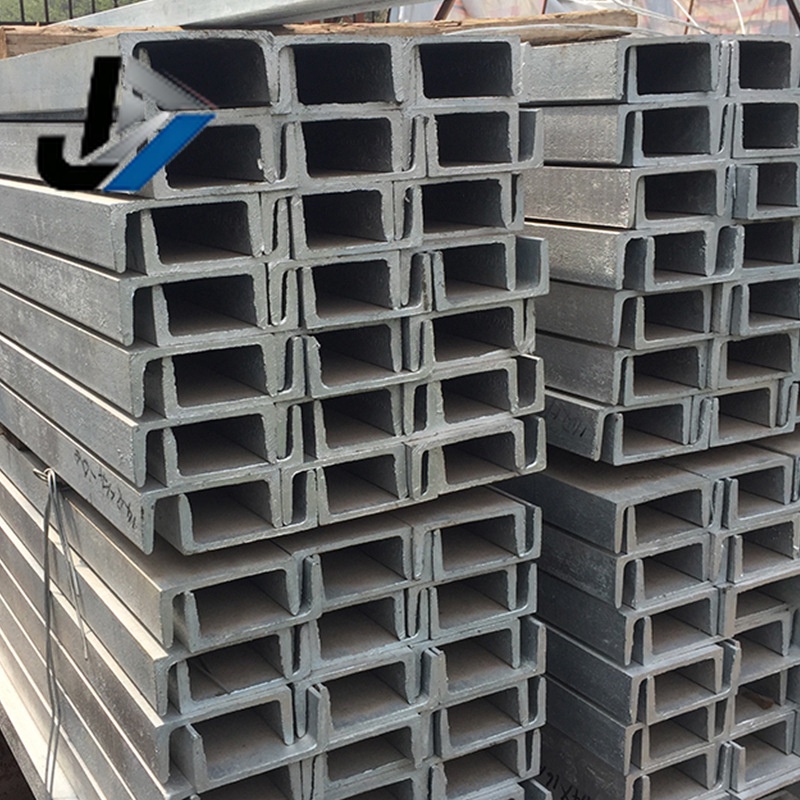
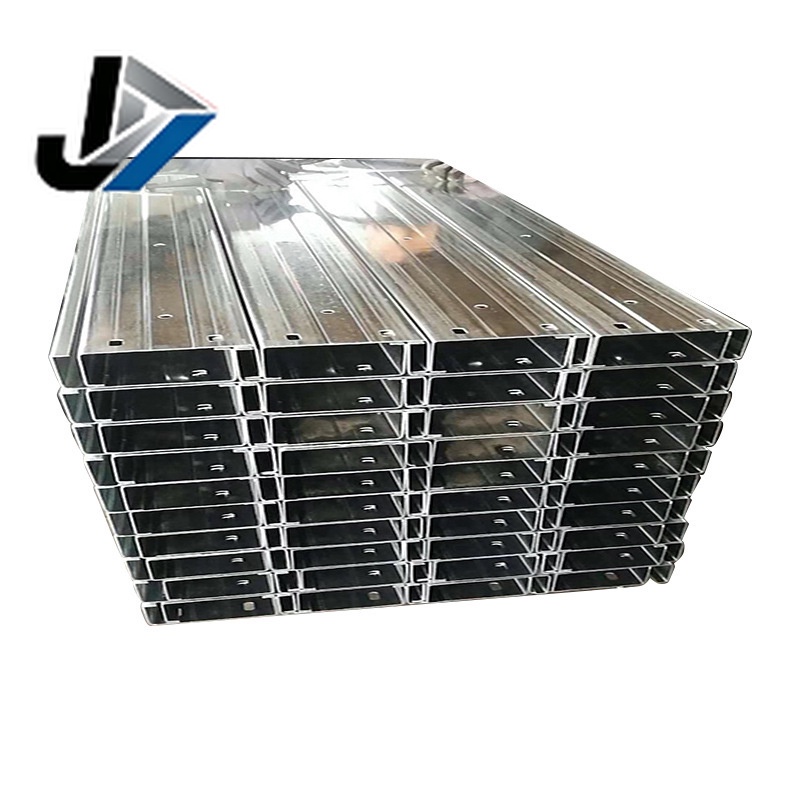
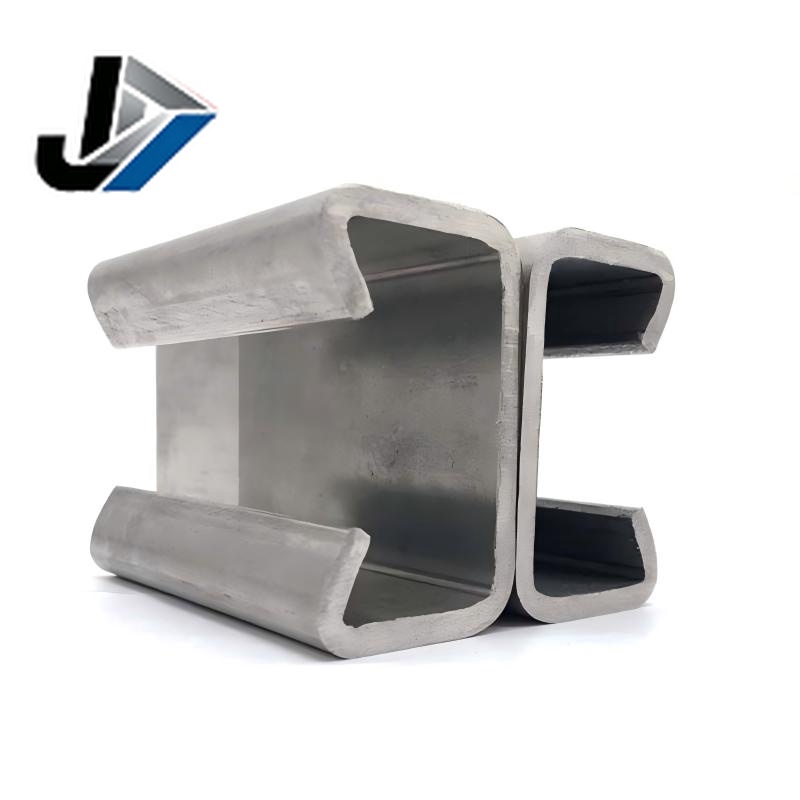
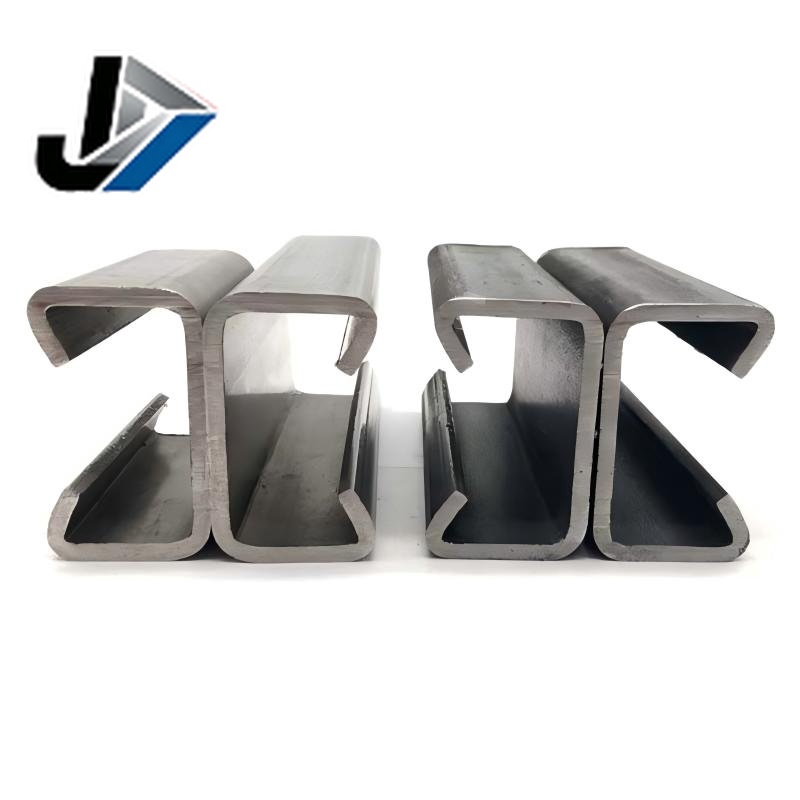
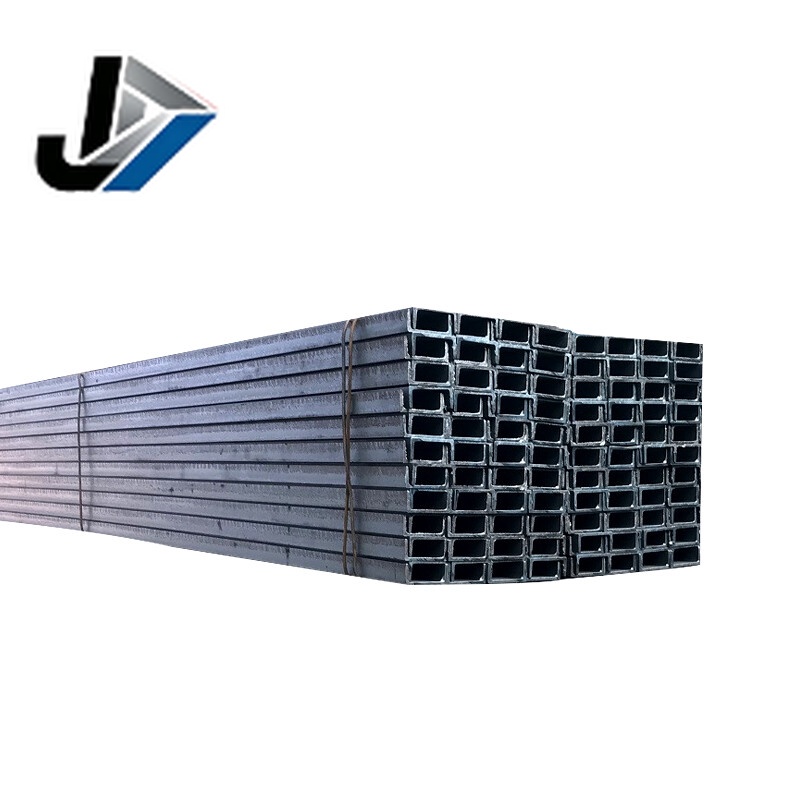
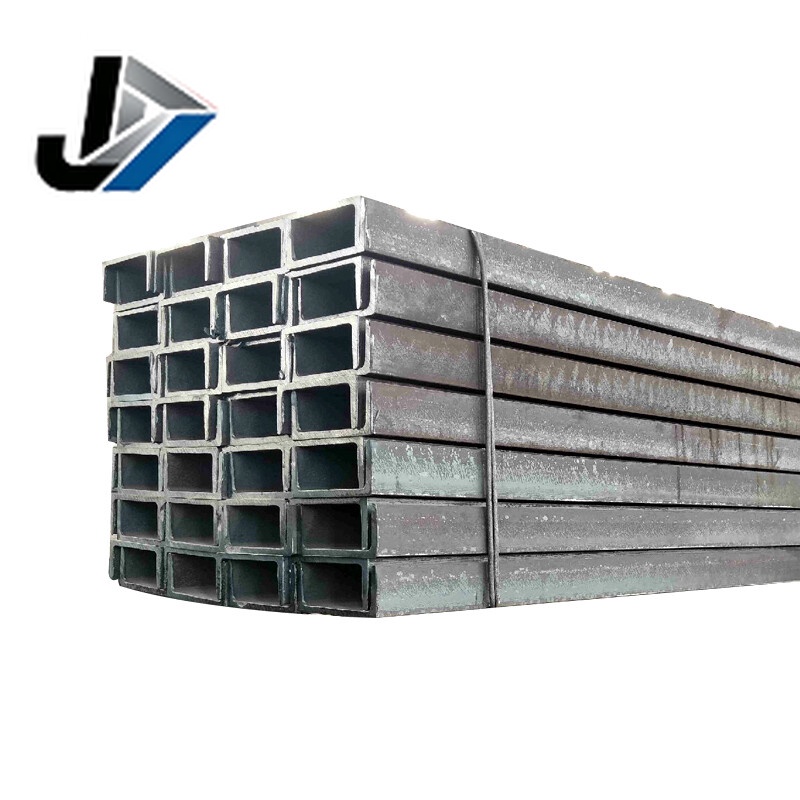
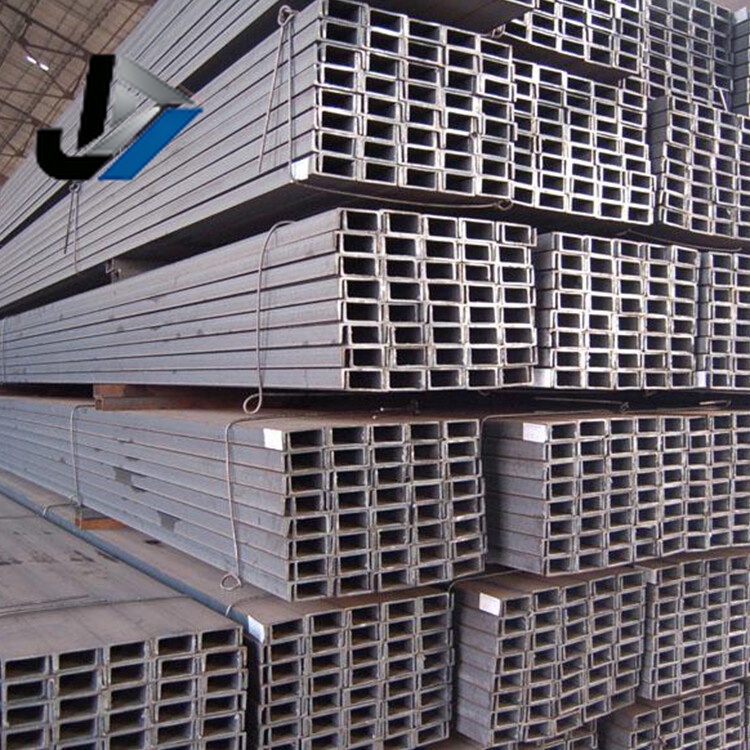
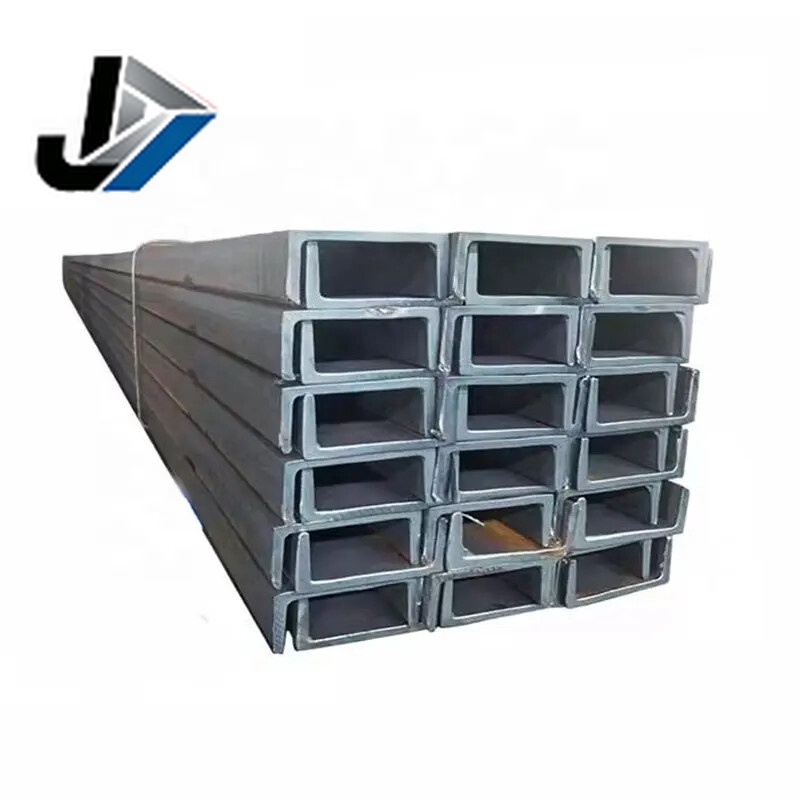
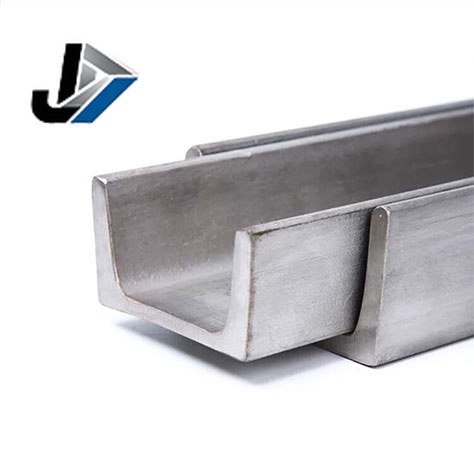
321 stainless steel channel is a titanium-stabilized austenitic C-shaped structural profile designed for environments where ordinary 304 stainless steel may suffer from intergranular corrosion after welding or prolonged exposure to elevated temperatures. By adding titanium, 321 stainless steel reduces chromium carbide precipitation in the 425–850 °C range, giving it better high-temperature stability than 304 and 304L while maintaining good general corrosion resistance. We supply 321 stainless steel channels under ASTM A276/A276M, EN 10088 (1.4541 / X6CrNiTi18-10) and JIS SUS321. The material is suitable for heat exchanger supports, boiler structures, chemical plant frames, furnace components, exhaust system supports and other applications requiring both structural strength and thermal stability.
| Product Name | Stainless Steel Channel |
| Material | 201, 202, 301, 302, 304, 304L, 310S, 316, 316L, 321, 430, 430A, 309S, 2205, 2507, 2520, 430 , 410, 440, 904Lect, Or Customized |
| Surface | BA, 2B, 2D, 4K, 6K, 8K, NO.4, HL, SB, Embossed |
| Thinckness | 0.3mm-60mm |
| Widthness | 50mm~2000mm or customized |
| Length | 1000mm~8000mm or customized |
| Certifications | ISO 9001 BV SGS |
| Packing | Industry standard packaging or according to client's requirement |
| Brand | TISCO,ZPSS,Baosteel,POSCO,LISCO,YUSCO,Ansteel, QPSS,JISCO,HXSCO, |
| Chengde,Yongjin,Tsingshan,Shouyang,HW |
| Payment terms | 30%T/T in advance, the balance against the B/L copy |
| Delivery time | 7-15 days, depending on the situation and quantity
|
Chemical Composition – 321 / 1.4541
| Element | Content (wt%) |
|---|
| C | ≤ 0.08 |
| Si | ≤ 1.00 |
| Mn | ≤ 2.00 |
| P | ≤ 0.045 |
| S | ≤ 0.030 |
| Cr | 17.0–19.0 |
| Ni | 9.0–12.0 |
| Ti | ≥ 5 × C, ≤ 0.70 |
Values are typical reference ranges. Final chemical composition should be confirmed by Mill Test Certificate.
Mechanical Properties – Annealed Condition
| Property | Value |
|---|
| Tensile Strength | ≥ 515–520 MPa |
| Yield Strength | ≥ 205 MPa |
| Elongation | ≥ 40% |
| Hardness | ≤ 187 HB |
| Density | Approx. 7.93 g/cm³ |
Actual mechanical properties depend on size, processing method and applicable standard. Final values should follow the MTC.
- Titanium stabilization: titanium preferentially combines with carbon, reducing chromium carbide precipitation during welding or high-temperature service.
- Better high-temperature performance than 304/304L: suitable for continuous service in the 425–850 °C range and short-term exposure up to about 900 °C.
- Good weldability: can be welded by common processes; post-weld annealing is usually not required for 321 channel sections.
- Structural stability: maintains good strength and toughness after long-term exposure to medium-high temperatures.
- Multi-standard availability: ASTM, EN and JIS grades available for different export markets.
321 vs 304 Stainless Steel Channel
| Feature | 304 / 1.4301 | 321 / 1.4541 |
|---|
| Feature | 304 / 1.4301 | 321 / 1.4541 |
|---|
| Stabilizing Element | None | Titanium |
| Intergranular Corrosion Resistance | Moderate | Better after welding |
| High-Temperature Stability | Good below ~425 °C | Better in 425–850 °C |
| Typical Use | General corrosion-resistant structures | Heat exchangers, boilers, furnace supports |
| Cost | Lower | Higher |
321 stainless steel channel is not always a direct replacement for 304. For general indoor or low-temperature corrosive environments, 304 or 316L may be more cost-effective. 321 becomes advantageous when the structure is exposed to repeated heating cycles, welding heat input, or sustained medium-high temperatures.
Common Applications
- Heat exchanger supports and tube sheet frames
- Boiler hangers, furnace supports and flue duct structures
- Petrochemical plant structural frames
- Exhaust system supports and high-temperature pipe racks
- Expansion joint frames and thermal equipment supports
- Chemical equipment brackets requiring welded fabrication