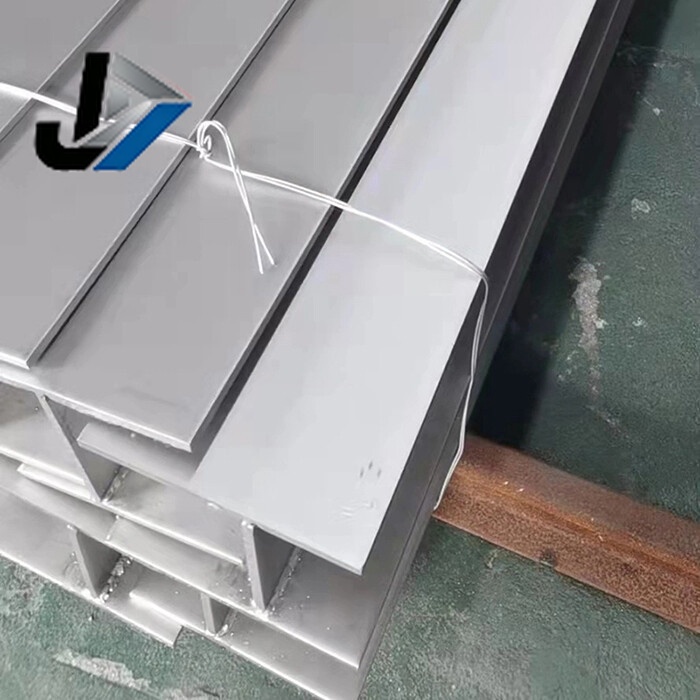
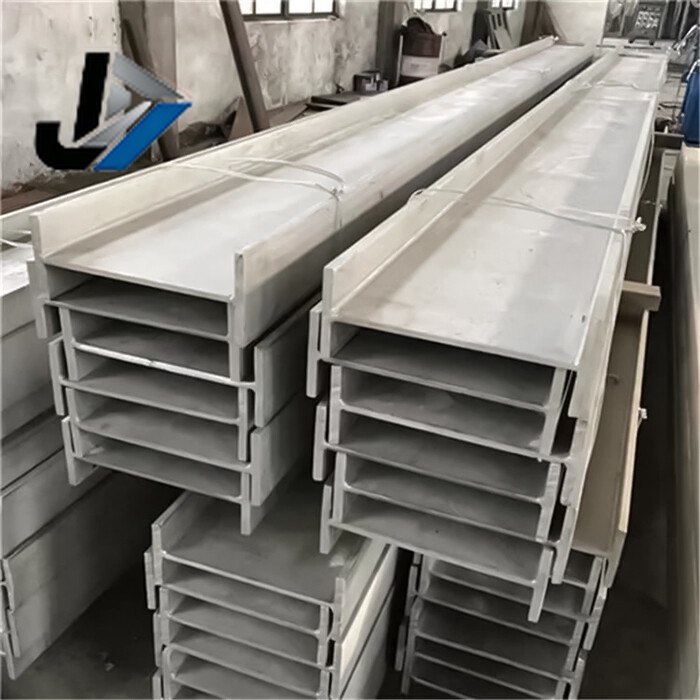
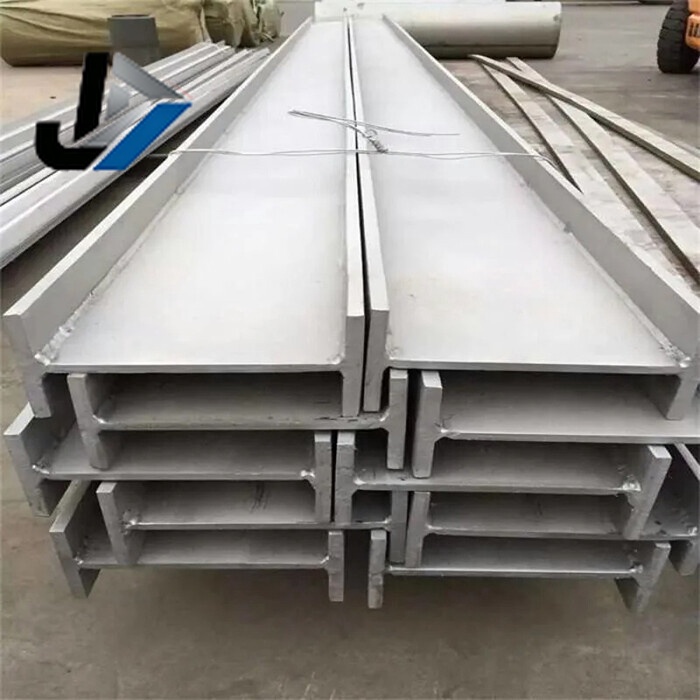
Short Description
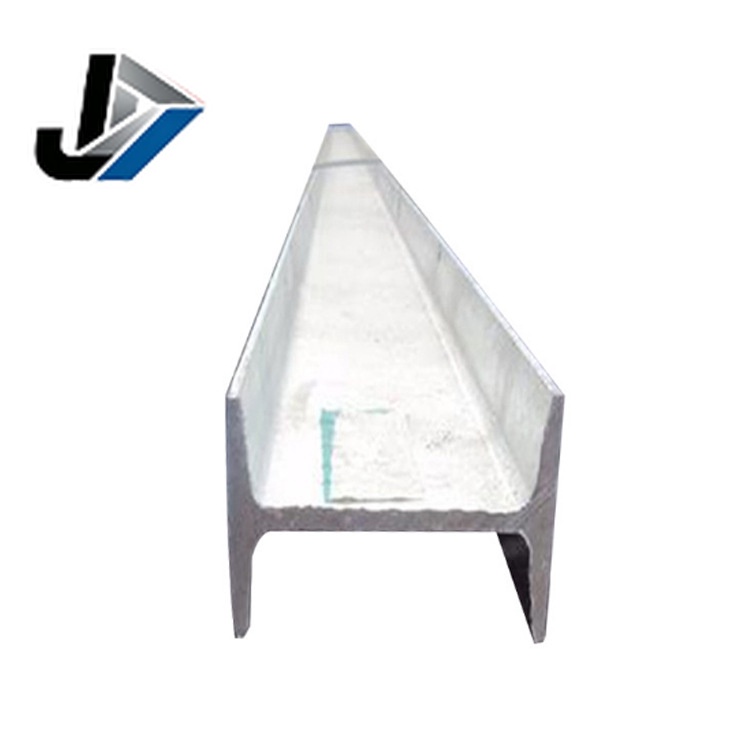
16Mn is a manganese-alloyed HSLA steel with a nominal yield strength in the 345 MPa class, giving a significantly higher load capacity than ordinary Q235 carbon steel sections of the same size, while remaining easy to weld, cut and drill with standard shop practice. It is typically specified for crane beams, long-span building frames, bridge members, heavy machine bases and industrial platforms where a carbon steel I-beam would be undersized.
Important grade note: 16Mn is a legacy Chinese grade designation. It was replaced by Q345 (Q345A–Q345E) from GB/T 1591-1994, and Q345 has since been replaced by Q355 under GB/T 1591-2018. In current trade, "16Mn I beam" is normally supplied and certified as Q345B or Q355B, which we confirm on the quotation and the mill test certificate.
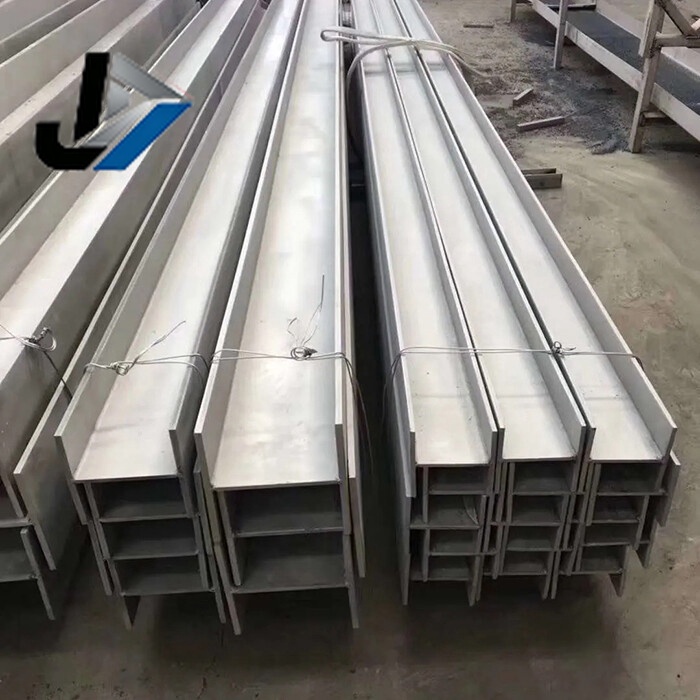
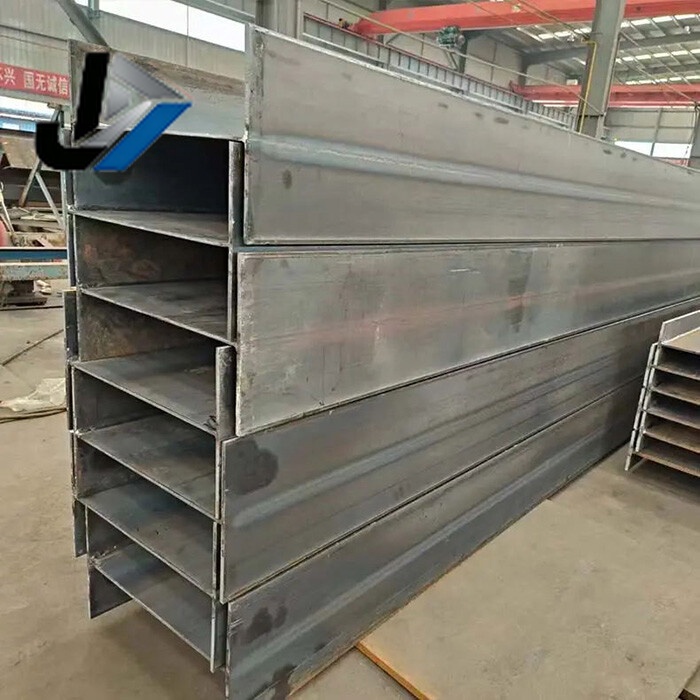
We supply standard mill lengths (6 m / 9 m / 12 m) and cut, drilled, welded and surface-treated members prepared to your erection or fabrication drawing.
| Product Name | 16Mn I Beam |
| Grade | Q195, Q215, Q235, Q345, 16Mn, ASTMA36, ASTMA572, SS400, SS490, A36, S235JR, S355JR, ST37, ST52,etc |
| Standard | AISI, ASTM, BS, DIN, GB, JIS, EN,etc |
| Flange Thickness | 4.5-35mm |
| Flange Width | 100-1000mm or customized |
| Web Thickness | 4.5-70mm or customized |
| Web Width | 100-450mm or customized |
| Length | 5.8m,6m,9m,11.8m,12m or as your requirement |
| Surface | Perforated/galvanized/black/PaintBright, Polished, Turn smooth(Peeled),Brush, Mill,Pickled |
| Technique | Hot-rolled and High frequency welded |
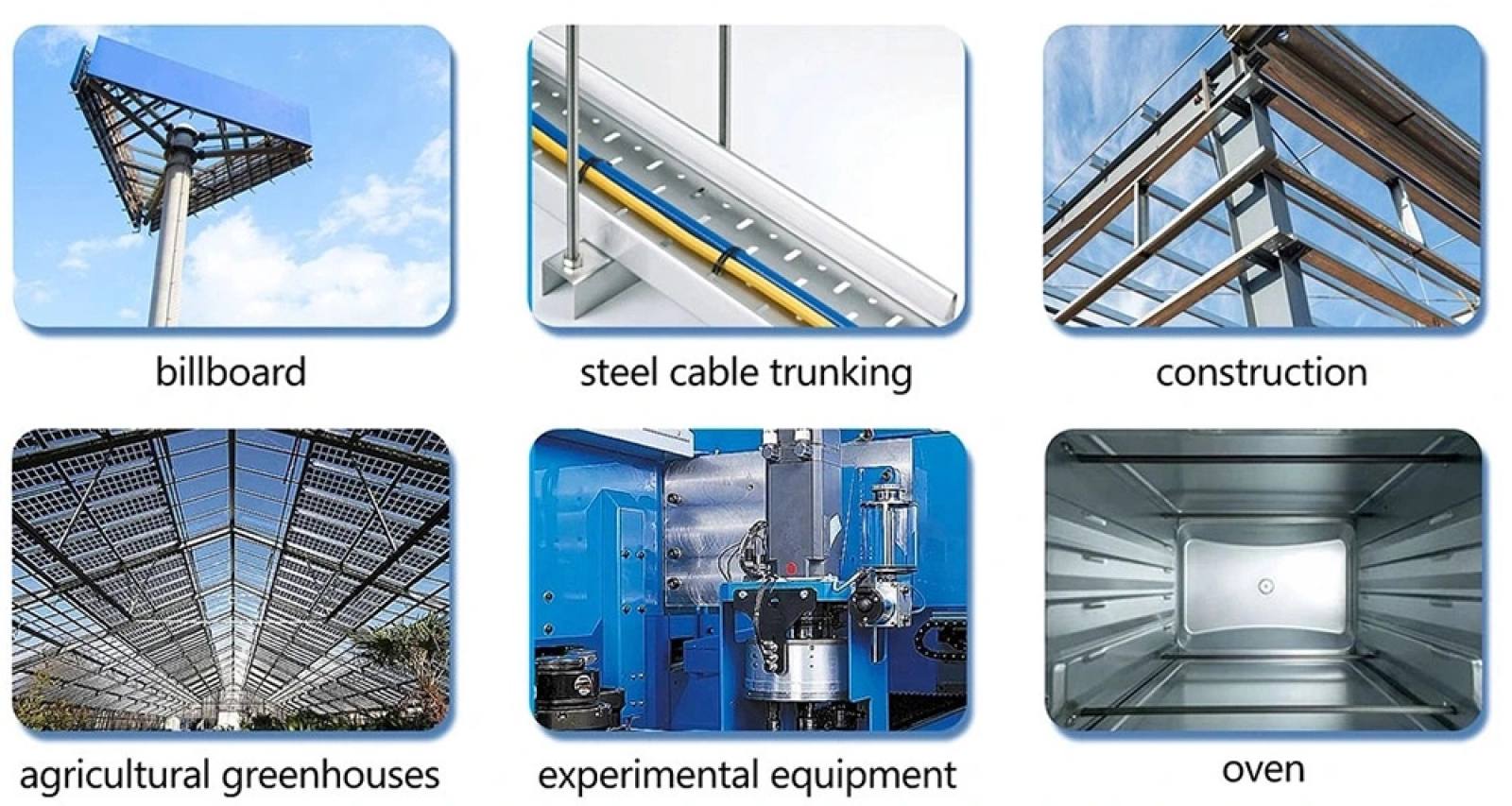
| Application | 1.Industrial structure of the steel structure bearing bracket 2.Underground engineering steel pile and retaining structure |
| 3.Petrochemical and electric power and other industrial equipment structure |
| 4.Large span steel bridge components |
| 5.Ships,machinery manufacturing frame structure |
| 6.The train, automobile, tractor beam bracket |
| 7.Port of conveyor belt, high speed damper bracket |
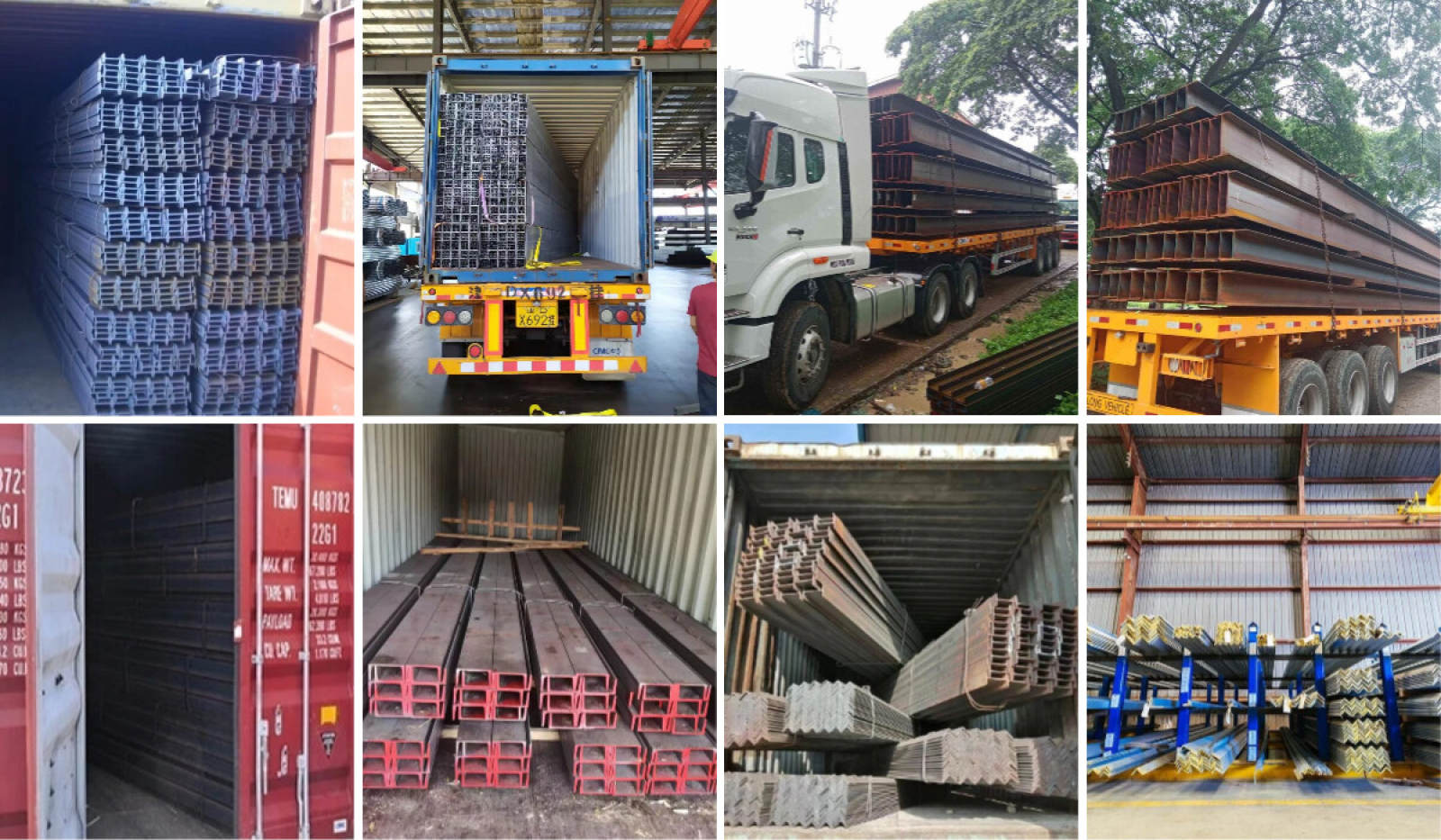
| Packing | In bulk or container,Standard seaworthy packing or as your required |
Grade Note: 16Mn, Q345 and Q355
This section prevents the most common misunderstanding in enquiries for this product.
- 16Mn — the original designation in GB 1591-1988, where "16" indicates approximately 0.16% carbon and "Mn" identifies manganese as the main alloying element.
- Q345 — the successor grade from GB/T 1591-1994, supplied in quality grades A–E, with Q345B the most commonly used equivalent for structural sections.
- Q355 — the current grade under GB/T 1591-2018, aligned more closely with EN S355.
The successor grades contain V, Ti and Nb micro-alloying additions and tighter phosphorus/sulfur control, so their toughness and low-temperature behaviour are better than the original 16Mn. For this reason we normally quote Q345B or Q355B and state the delivered grade explicitly, rather than certifying to the obsolete 16Mn designation. If your project specification still reads "16Mn", we will confirm the equivalent current grade with your engineer before production.
International reference: the closest commonly cited counterpart is ASTM A572 Grade 50 (345 MPa / 50 ksi yield class). The two are not directly interchangeable — composition, deoxidation practice, impact requirements and tolerances differ — so the governing standard should always be stated in the order.
Chemical Composition & Mechanical Properties (Typical)
Chemical composition — 16Mn / Q345B class, indicative
| Element | Content |
|---|
| Carbon (C) | approx. 0.12 – 0.20 % |
| Manganese (Mn) | approx. 1.20 – 1.60 % (Q345B typically ≤ 1.70 %) |
| Silicon (Si) | approx. 0.20 – 0.55 % |
| Phosphorus (P) | ≤ 0.035 – 0.045 % |
| Sulfur (S) | ≤ 0.035 – 0.045 % |
| Micro-alloys (V, Ti, Nb) | Present in Q345 / Q355 grades |
Mechanical properties — thickness dependent, indicative
| Property | Value |
|---|
| Yield strength | approx. 345 MPa for thinner sections, decreasing with increasing thickness |
| Tensile strength | approx. 470 – 660 MPa |
| Elongation | approx. 20 – 22 % |
| Impact energy | approx. 27 J at +20 °C for B-grade material |
| Weldability | Good; preheating may be required for thick or rigid joints in cold weather |
Values are indicative and thickness-dependent. The governing figures are those in the applicable standard and in the mill test certificate for the delivered heat.
I-Beam or H-Beam: Which One Does Your Drawing Require?
This distinction affects weight, connection detail and price, and it is worth confirming before quotation.
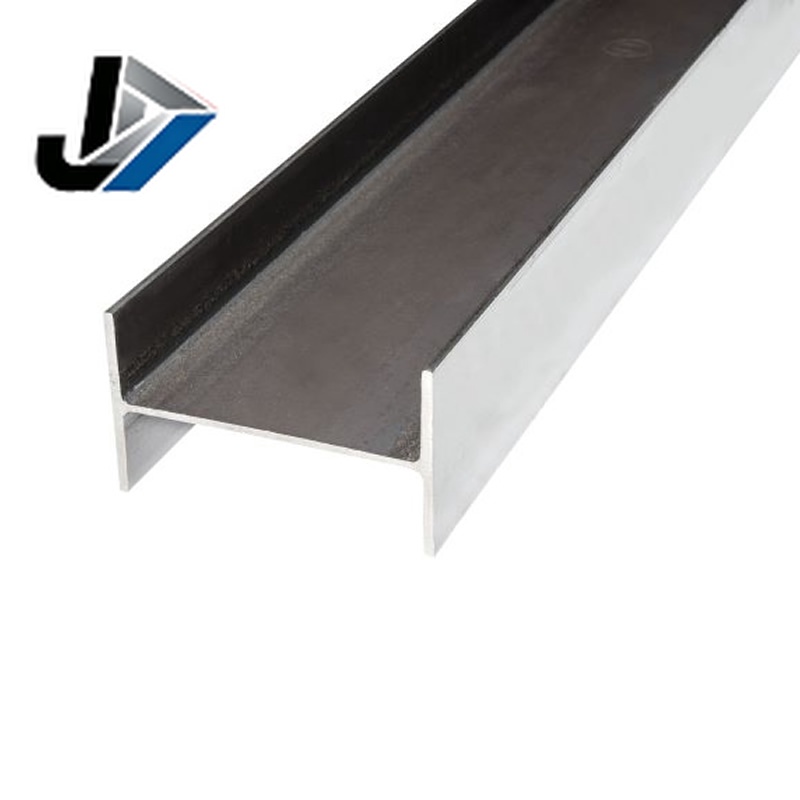
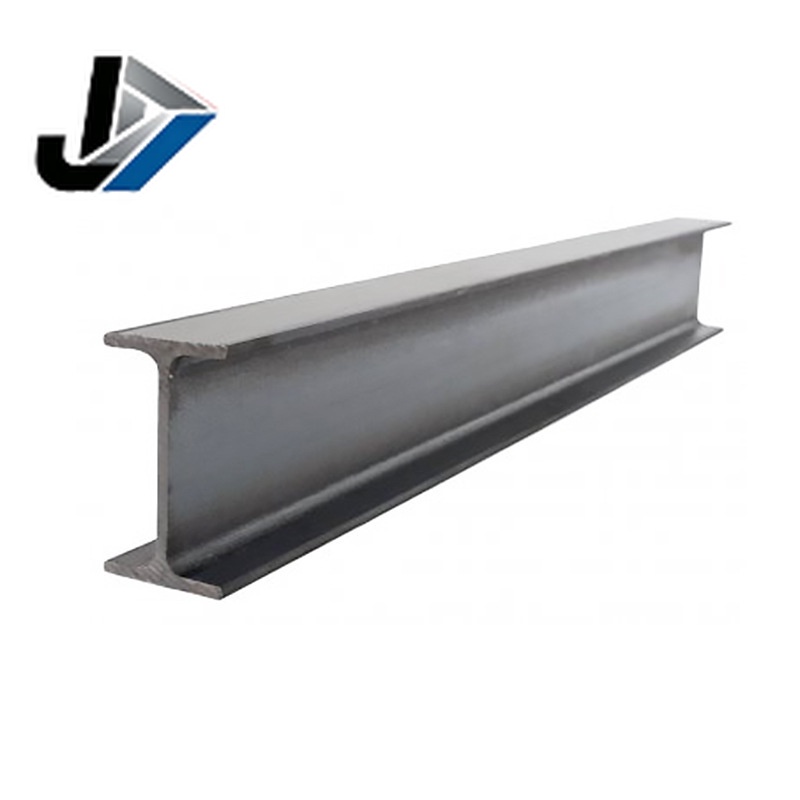
- Ordinary I-beam (this product) — flanges are narrower and the inner flange surface is tapered, so the section is efficient in one-axis bending and widely used for beams, supports and frames in buildings and machinery.
- H-beam / wide flange beam — flanges are parallel and wider, giving better two-axis behaviour and higher load capacity; preferred for heavy columns and large-span frames.
If your drawing specifies an H-section, we supply it from our H beam range instead. If the drawing is ambiguous, send it to us and our technical team will confirm the correct profile before production.
1. Higher strength than carbon steel sections
The 345 MPa yield class allows heavier loads or lighter sections than an equivalent Q235 I-beam, which matters for crane rails, long spans and heavy equipment supports.
2. Good weldability and machinability
Low carbon content keeps welding straightforward with standard procedures, and members can be cut, drilled, punched and welded in our workshop before shipment.
3. Better low-temperature behaviour than the legacy grade
Current Q345 / Q355 material with micro-alloy additions offers improved toughness, useful for winter erection and cold-service structures.
4. Cost-effective for heavy-duty structures
Compared with stainless or weathering steel, this grade delivers high strength at a conventional structural steel price, with coating available for corrosion protection.
5. Fabrication-ready delivery
Members arrive cut, marked and drilled, reducing on-site fabrication and shortening erection time.
6. Documented traceability
Each heat is supported by a mill test certificate, and third-party inspection can be arranged before loading.
Typical Applications
- Industrial buildings — crane beams, roof and floor beams, purlin supports and bracing
- Bridges and infrastructure — girders, secondary members, gantries and transmission towers
- Heavy machinery — machine bases, frames, presses and handling equipment
- Platforms and structures — industrial platforms, walkways, pipe racks and supports
- Mining, port and steel works — conveyor frames, loading structures and heavy supports
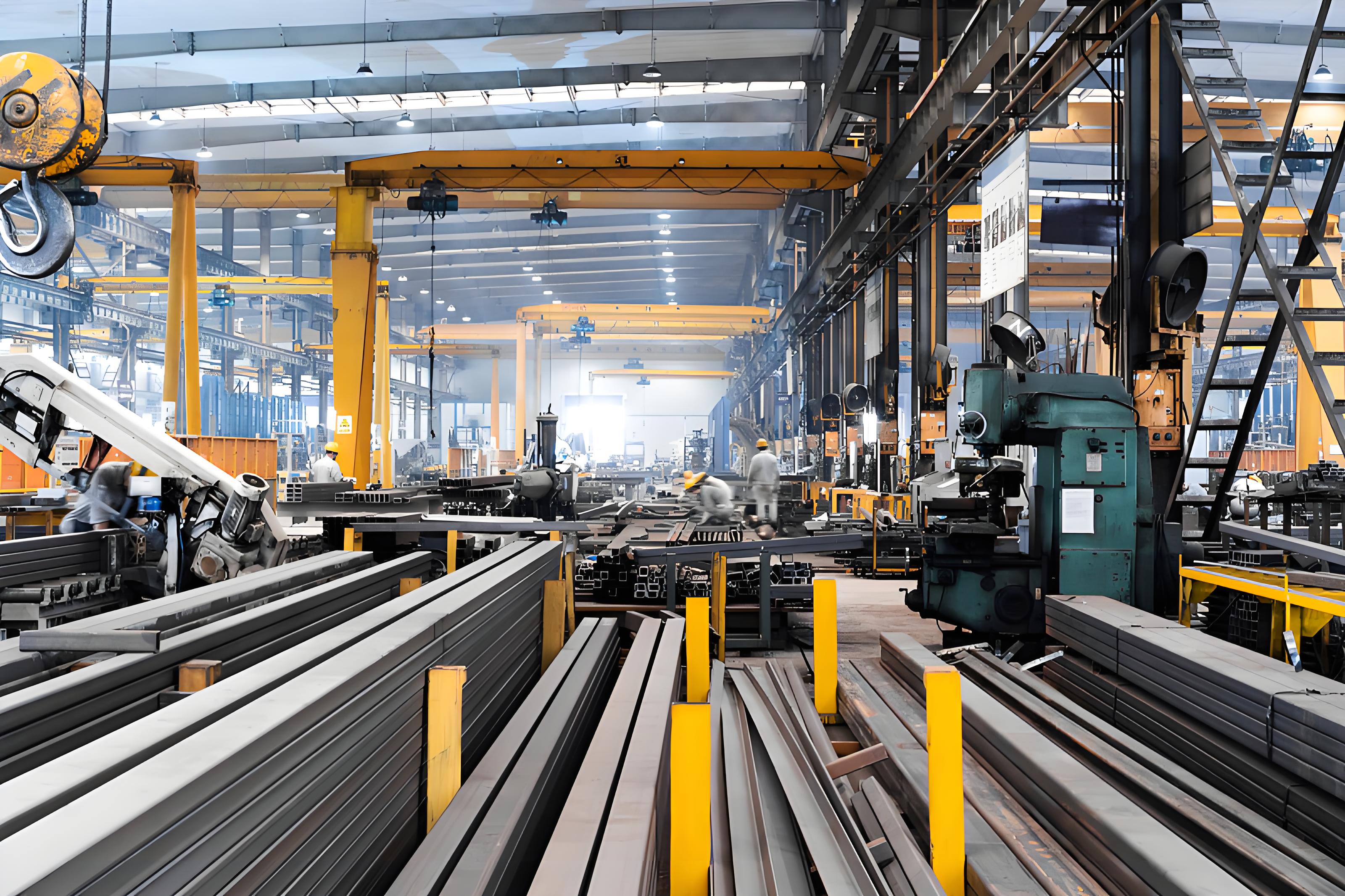
- Fabrication workshops — supplied cut, drilled and welded for direct assembly
Processing Services for This Product
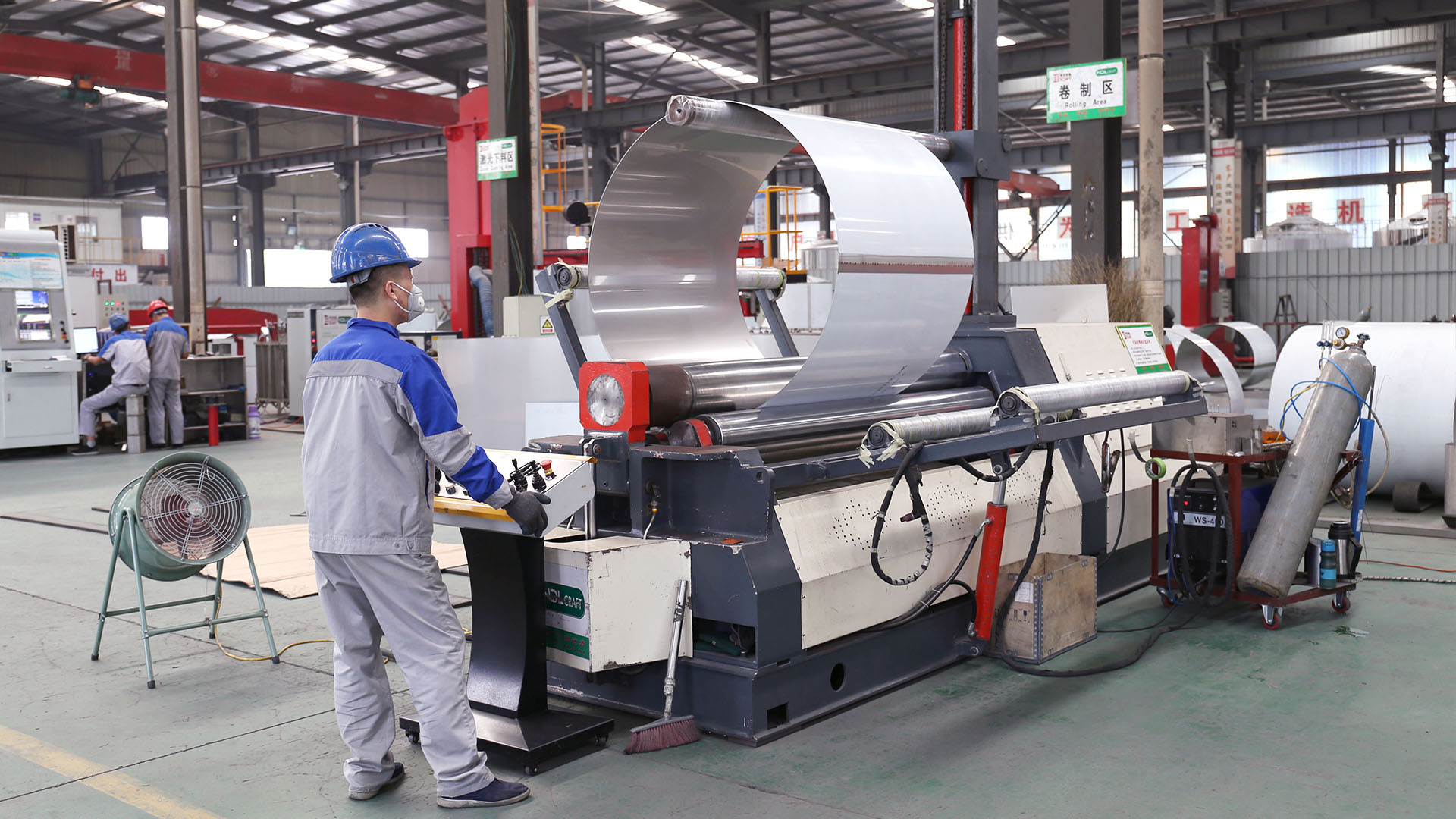
Cutting & length preparation — sawing to fixed lengths or drawing dimensions with controlled tolerance.
Drilling & punching — bolt holes, slotted holes and connection details prepared in-house.
Welding & sub-assembly — welded members, brackets, stiffeners and frames produced to your fabrication drawing.
Surface treatment — shot blasting, priming, epoxy or PU painting, and hot-dip galvanizing for outdoor service.
Marking & bundling — members marked with project mark number, size and heat number for easy identification on site.
Send your member schedule or erection drawing and we will confirm feasibility, weight per metre and fabrication cost before quotation.
Packaging & Shipping
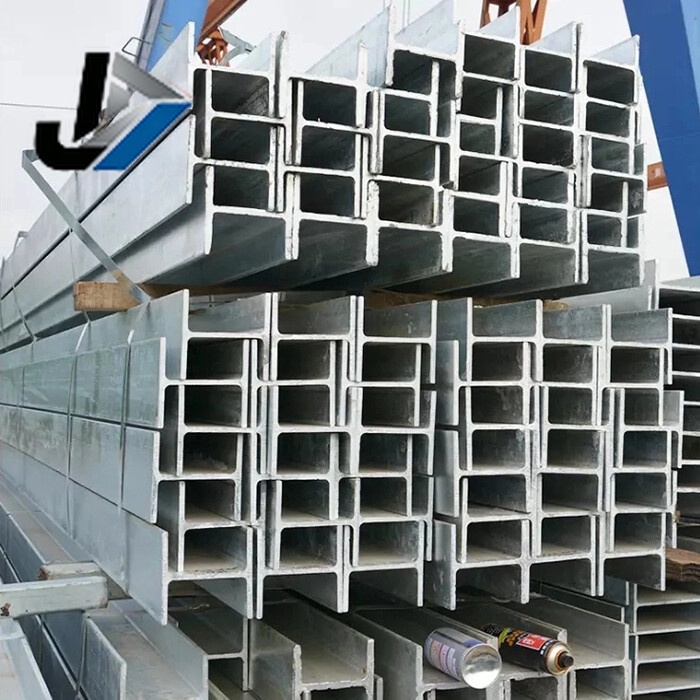
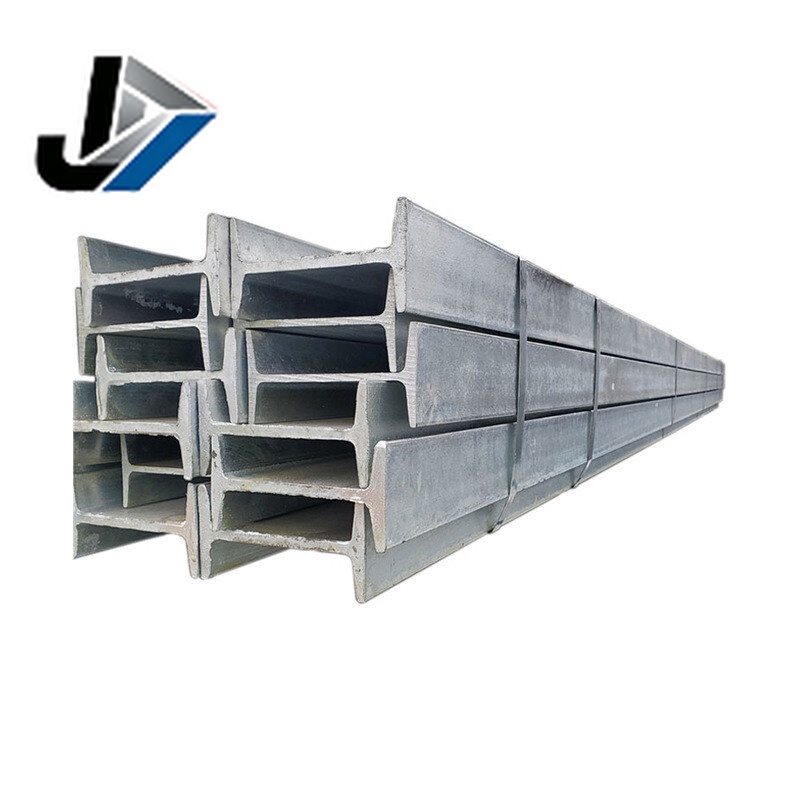
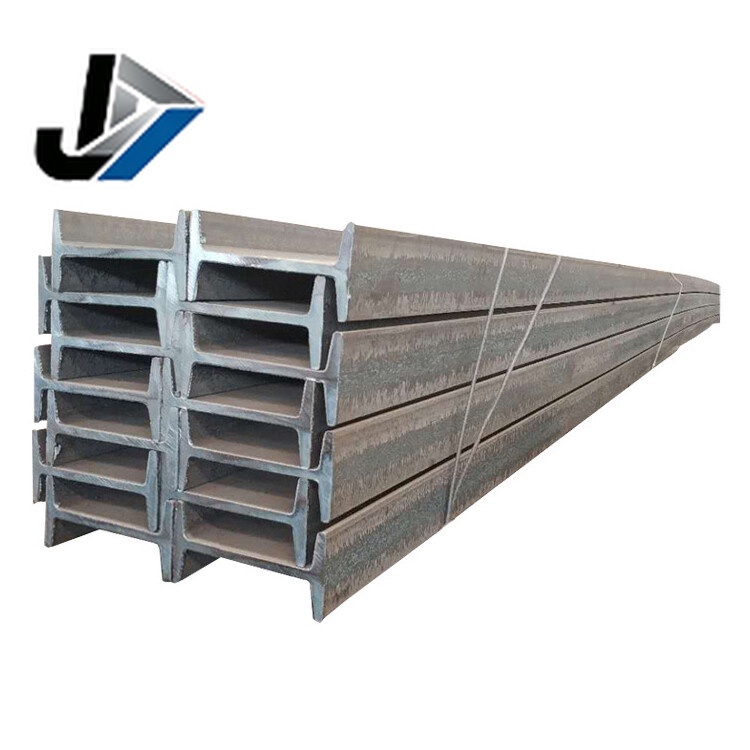
- Sections bundled with steel strips and separated by timber supports
- Long members fully supported to prevent bending during handling
- Waterproof covering and end protection for sea shipment
- Marking of grade, size, length, heat number and standard
- Documents: MTC, packing list, invoice, bill of lading
- Loading planned for 20GP / 40HQ / flat rack to protect sections and maximize utilization
Call to Action
Need 16Mn class I beams cut and fabricated to your drawing?
Send us the section number (e.g. 20#, 32b, 45#), length or member schedule, quantity, coating requirement and destination port, and our team will confirm the correct current grade, availability and fabrication cost within 24 hours.