Carbon Steel Pipe Solutions for Oil & Gas, Construction and Industrial Piping Projects
Carbon Steel Pipe: A Cost-Effective and Reliable Choice for Global Piping Projects
Carbon steel pipe continues to play an important role in global infrastructure, energy transmission, construction and industrial manufacturing. Due to its high strength, good weldability, stable mechanical performance and competitive price, carbon steel pipe is widely used in oil and gas pipelines, water supply systems, structural steel projects, boiler systems and mechanical fabrication.
For international buyers, selecting the right carbon steel pipe specification is essential for project safety, compliance and long-term performance. Our carbon steel pipe range covers multiple international standards, including ASTM, API, GB, EN and DIN, and supports seamless, ERW, LSAW and spiral welded manufacturing processes.
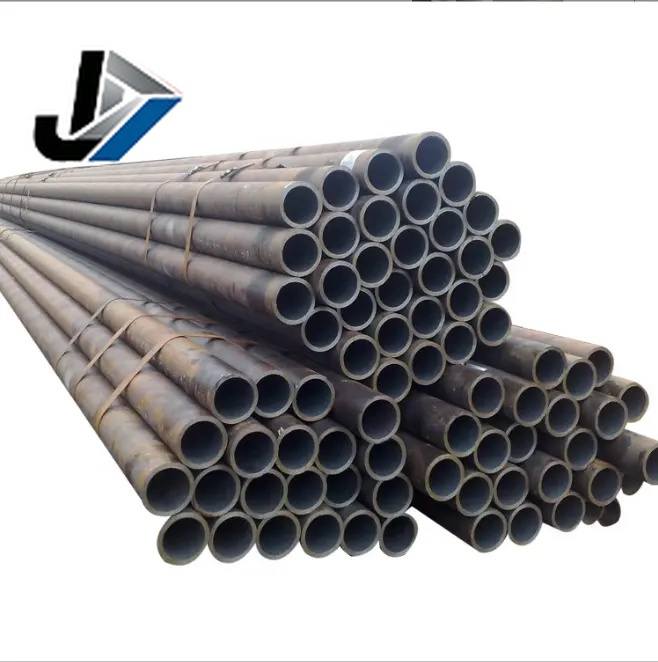
carbon steel pipe
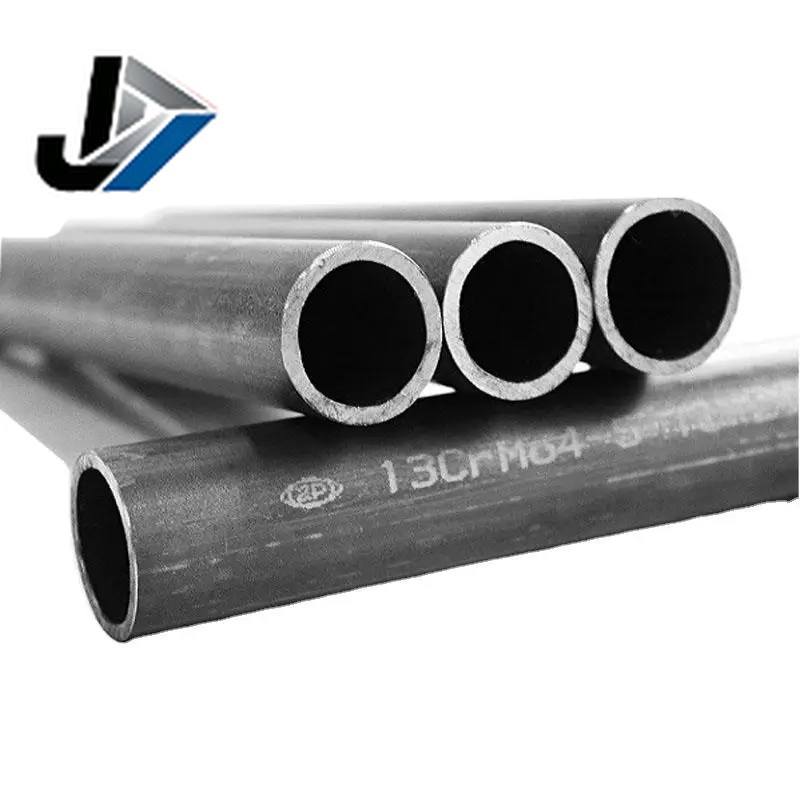
seamless carbon steel pipe
Why Carbon Steel Pipe Is Widely Used in International Projects
Carbon steel pipe offers a balanced combination of mechanical strength, fabrication flexibility and cost efficiency. It can be used for low-pressure fluid transportation as well as high-pressure pipeline systems, depending on grade, wall thickness and manufacturing method.
Key advantages include:
* High strength and pressure resistance for demanding industrial applications.
* Good weldability for easy installation and on-site fabrication.
* Wide size and grade availability to meet different project requirements.
* Multiple surface treatments such as black paint, oil, galvanizing and anti-corrosion coating.
* Competitive pricing for large-volume procurement and long-distance pipeline projects.
Main Standards and Grades for Carbon Steel Pipe
Different international standards define the chemical composition, mechanical properties, testing requirements and applicable service conditions of carbon steel pipe.
ASTM A53 carbon steel pipe is commonly used for general low-pressure fluid transmission and structural applications. ASTM A106 Grade B is frequently specified for high-temperature service, including steam lines, boiler systems and industrial process piping. API 5L line pipe is designed for oil and gas transmission, covering grades from Grade B to X70 and available in PSL1 and PSL2. ASTM A500 structural tubing is widely applied in steel structures, bridges, building frames and mechanical supports.
Seamless, ERW, LSAW and Spiral Welded Carbon Steel Pipe
Carbon steel pipes can be manufactured in different processes according to diameter, wall thickness, pressure rating and project cost requirements.
Seamless carbon steel pipe has no welded seam and provides higher pressure resistance. It is suitable for boiler systems, high-pressure pipelines and critical industrial applications.
ERW carbon steel pipe is produced through electric resistance welding. It offers good dimensional accuracy and cost efficiency, making it suitable for water, gas and low-pressure fluid transportation.
LSAW carbon steel pipe is manufactured by longitudinal submerged arc welding. It is commonly used in large-diameter, long-distance oil and gas pipelines.
Spiral / SSAW carbon steel pipe provides a wide size range and economical production for large outer diameters. It is often used in water supply, drainage and municipal pipeline projects.
Message
JuDe Steel Co., Ltd.
Reach out via our contact form or use the details. We’re here to help!
LOGO
Get A Quote