For overseas buyers, contractors and building material distributors, choosing the right color corrugated sheet is not only about color. It also involves base steel grade, zinc coating mass, paint system, sheet thickness, profile design, effective width, weather resistance and installation method. A small difference in coating or thickness may affect service life, appearance retention and total project cost.
This guide explains what color corrugated sheet is, how it differs from galvanized corrugated sheet, how to select the right specification and what buyers should check before placing an order.
What Is Color Corrugated Sheet
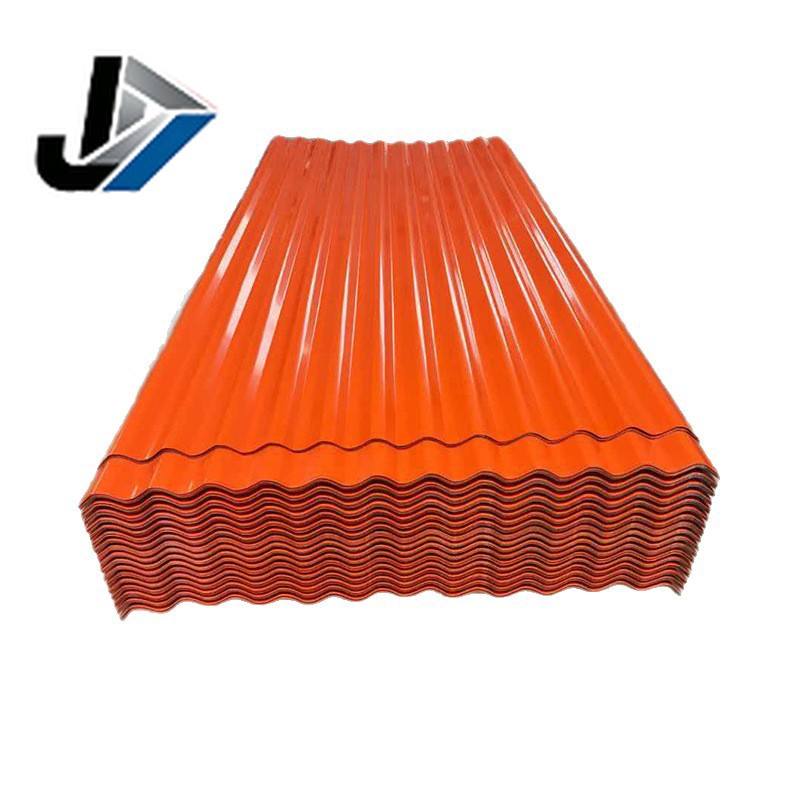
Color corrugated sheet is made from pre-painted galvanized steel coil, usually PPGI or PPGI-type color coated coil. The coil is first galvanized, then cleaned, pretreated, coated with primer and top paint, cured and finally roll-formed into a corrugated profile.
The corrugated shape improves stiffness and drainage, while the color coating improves appearance and adds an extra protective layer above the zinc layer. This makes color corrugated sheet suitable for projects where both weather resistance and visual appearance matter.
Typical applications include:
- Factory and warehouse roofing
- Workshop wall cladding
- Agricultural sheds and poultry houses
- Residential villas and garages
- Temporary housing and site offices
- Fence panels and boundary enclosures
- Prefabricated steel structure buildings
Many buyers ask whether they should choose color corrugated sheet or galvanized corrugated sheet. The answer depends on the project requirement.
| Comparison | Color Corrugated Sheet | Galvanized Corrugated Sheet |
|---|
| Comparison | Color Corrugated Sheet | Galvanized Corrugated Sheet |
|---|
| Surface | Painted color coating on galvanized layer | Zinc coating only |
| Appearance | Multiple colors and finishes | Silver-gray metallic surface |
| Corrosion resistance | Zinc layer + paint protection | Depends mainly on zinc coating |
| Cost | Slightly higher | Usually lower |
| Best for | Visible roofing, wall cladding, commercial buildings | Budget roofing, fences, temporary structures |
If the building is highly visible or requires a specific architectural color, color corrugated sheet is usually the better choice. If the project is temporary, low-budget or mainly functional, galvanized corrugated sheet may be enough.
Main Materials Used for Color Corrugated Sheet
The performance of color corrugated sheet starts from the base material. Common choices include:
- DX51D+Z: European standard galvanized steel grade, widely used for general roofing and cladding.
- SGCC: Japanese standard hot-dip galvanized commercial quality steel, commonly used in export orders.
- DX52D+Z: Better formability, suitable for deeper profiles or more complex forming.
- Galvalume-based color coated sheet: Offers stronger corrosion resistance than ordinary galvanized substrate, often used in coastal or long-life projects.
For most standard roofing and wall projects, DX51D+Z or SGCC based PPGI corrugated sheet is a practical and cost-effective option. For harsher environments, buyers may consider heavier zinc coating or Galvalume substrate.
How to Choose the Right Thickness
Thickness affects stiffness, wind load resistance, span support and price. Thicker sheets are not always necessary, but they are important for long-span roofing, high-wind areas and industrial buildings.
| Thickness | Typical Use |
|---|
| 0.25–0.35 mm | Light wall cladding, temporary buildings, low-cost sheds |
| 0.40–0.50 mm | Standard roofing, agricultural buildings, residential garages |
| 0.50–0.60 mm | Industrial warehouses, workshops, commercial roofing |
| 0.60–0.80 mm | Long-span roofs, high-wind regions, heavy-duty cladding |
For warehouse roofing, 0.50–0.60 mm is often a balanced choice between cost and performance. For residential or decorative projects, thinner sheets may be acceptable if the purlin spacing and local wind load are properly designed.
Zinc Coating and Paint System
The durability of color corrugated sheet depends on both the zinc layer and the paint system.
Zinc Coating
The zinc layer provides the main corrosion protection. Common choices include:
- Z60–Z80: indoor or temporary use
- Z100–Z120: general outdoor use
- Z140–Z180: standard industrial and agricultural buildings
- Z275: coastal areas, high humidity or long service life projects
Paint Types
The top paint determines color retention, gloss, chemical resistance and weather resistance.
| Paint Type | Features | Recommended Use |
|---|
| Paint Type | Features | Recommended Use |
|---|
| PE | Good cost performance, wide color range | General roofing and wall cladding |
| SMP | Better weather resistance than PE | Outdoor industrial buildings |
| HDP | High durability and color retention | Coastal, tropical or long-life projects |
| PVDF | Strong weather and chemical resistance | Premium buildings and harsh environments |
For most normal projects, PE paint is sufficient. For coastal areas, heavy industrial zones or projects requiring longer appearance retention, HDP or PVDF is a better choice.
Common Profiles for Color Corrugated Sheet
The profile affects drainage, stiffness, appearance and installation. Common profile types include:
- Sine wave profile: classic round wave, often used for agricultural sheds and simple roofing.
- Trapezoidal profile: stronger rib shape, suitable for industrial roofing and wall panels.
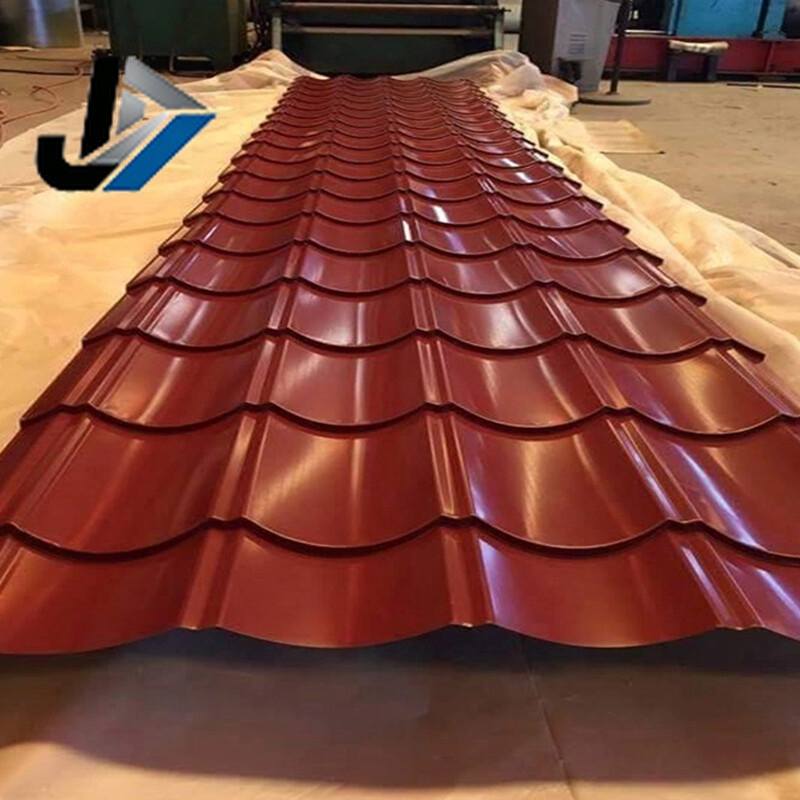
- Tile profile: decorative roof tile appearance, popular for villas and residential buildings.
- 9-wave / 11-wave / 12-wave profiles: common wave arrangements based on coil width and customer market.
When ordering, buyers should confirm both raw coil width and effective width after forming, because the corrugation process reduces the usable coverage width.
Color Selection for Roofing and Wall Projects
Color is not only decorative. It also affects heat absorption, building appearance and market acceptance.
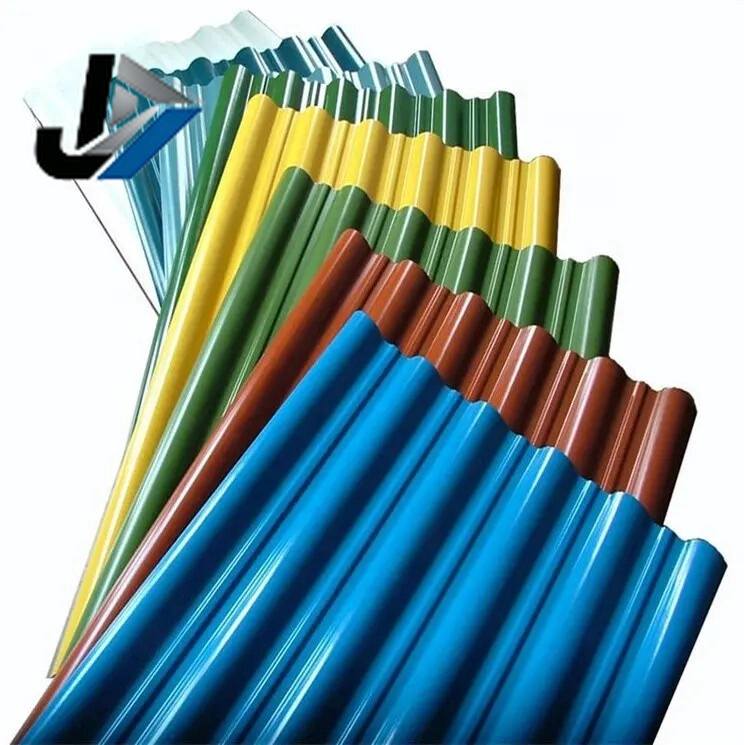
Popular colors for color corrugated sheets include:
- Blue: common for industrial factories and warehouses
- Red: popular for residential roofing and tile profile projects
- Green: often used for agricultural buildings and garden structures
- Gray / Silver: suitable for modern commercial buildings
- White: helps reflect sunlight, often used in hot climates
For export projects, it is important to confirm the color code, gloss level and sample sheet before mass production. Different screens or printed catalogs may show slight color differences.
Installation Tips for Color Corrugated Sheet
Proper installation helps extend service life and avoid leakage.
Use coated self-tapping screws
Ordinary black screws may rust quickly and damage the roof appearance.
Install with the correct overlap
Side lap and end lap should follow the profile design and local weather conditions.
Avoid cutting near painted sheets
Metal chips from cutting can stick to the surface and cause rust spots.
Do not walk on thin sheets unnecessarily
Excessive pressure may cause deformation or oil-canning.
Store sheets in dry conditions
Long-term moisture contact may cause white rust or paint damage.
Clean the surface after installation
Remove screws, dust and metal particles to protect the paint layer.
Maintenance and Service Life
Color corrugated sheet generally requires low maintenance. However, regular inspection can help extend its service life.
Recommended maintenance points:
- Clean dust, leaves and dirt from the roof surface.
- Check screws and flashings annually.
- Repair damaged areas before rust spreads.
- Avoid strong acid or alkaline cleaners.
- Rinse the surface in coastal areas if salt deposits appear.
With correct material selection and proper installation, color corrugated sheet can provide a long service life for roofing and wall cladding applications.
How to Specify Color Corrugated Sheet for Export Orders
To receive an accurate quotation, buyers should provide the following details:
- Product name: color corrugated sheet / PPGI corrugated sheet
- Base material: DX51D+Z, SGCC or Galvalume
- Thickness: for example 0.40 mm, 0.50 mm, 0.60 mm
- Width: raw coil width and effective width
- Length: standard or custom length
- Zinc coating: Z100, Z120, Z180, Z275, etc.
- Paint type: PE, SMP, HDP or PVDF
- Color: RAL code or color sample
- Profile: sine wave, trapezoidal, tile profile, 9-wave, 11-wave, etc.
- Quantity: tonnage or number of sheets
- Destination port and packaging requirement
Providing complete specifications helps avoid misunderstandings and ensures the final sheets match the project design.
Take Action Now
Do you need colored corrugated sheets for roofing or wall cladding?
Please send us the thickness, effective width, length, zinc coating weight, profile type, quantity, and destination port. We will confirm the appropriate grade and provide an export quote within 24 hours.Click here to get a quote now.
TEL:+86 19063793739 / +86 029 86382955
WhatsApp:+86 19033681875
Email:judesteel@juqing.hk
We offer samples, MTC verification, and third-party inspection services.