Epoxy Coated Rebar vs Galvanized Rebar: Which Protection Actually Fits Your Project?

The Comparison Most Buyers Start From the Wrong End

Almost every enquiry about corrosion-resistant reinforcement begins with a price question: which bar is cheaper per ton? That is the wrong first question, because neither coating protects the structure by being cheap. Each one works through a different physical mechanism, fails in a different way, and demands different handling discipline on site.
Epoxy coated rebar protects by blocking — a continuous organic film separates the steel from chlorides, moisture and carbon dioxide. Galvanized rebar protects by sacrificing — the zinc layer corrodes preferentially, shielding the steel even where the coating is locally damaged.

Those two philosophies lead to different decisions in different environments. This article walks through the mechanism, the failure mode, the site realities and the cost structure, so you can defend your choice in front of a consultant rather than explain it after a repair.
Epoxy Coated Rebar vs Galvanized Rebar: Which Protection Actually Fits Your Project?

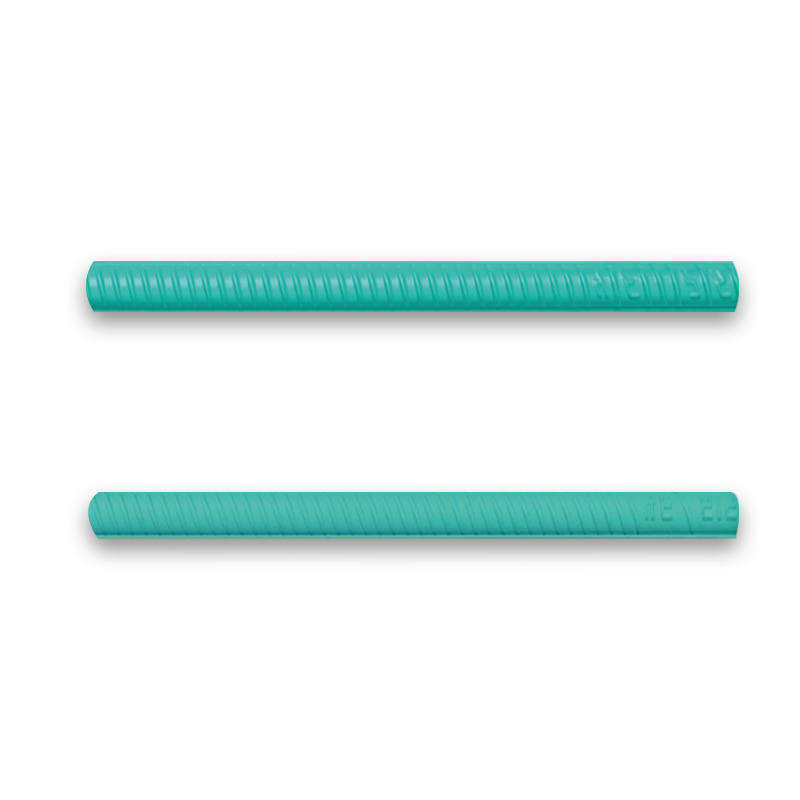
epoxy coated rebar


Epoxy Coated Rebar vs Galvanized Rebar: Which Protection Actually Fits Your Project?

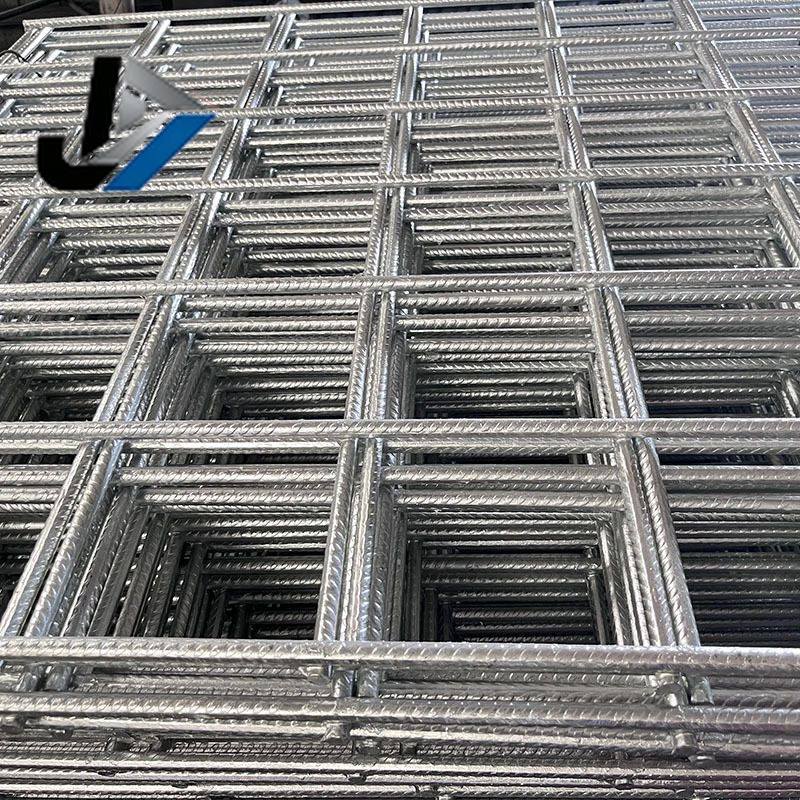
galvanized rebar


Protection Mechanism: Barrier versus Sacrificial

AspectEpoxy Coated RebarGalvanized Rebar
Protection principleBarrier isolation — organic film blocks chloride, water, CO₂Sacrificial (cathodic) protection — zinc corrodes first
Behaviour at a scratchLocalized exposure; protection depends on repairZinc around the scratch continues to protect the exposed steel
Main enemyCoating damage, pinholes, poor surface preparationZinc consumption in aggressive or alkaline/chloride conditions
Typical coatingFusion-bonded epoxy powder, heat curedHot-dip zinc coating
Visual identificationUsually blue, green or other colored coatingMetallic grey / silver appearance
Standard referenceASTM A775 / A934 familyASTM A1055 / A1095 family and national equivalents
The practical consequence is simple: epoxy rewards careful handling and complete coverage, while galvanizing rewards tolerance of minor damage but can be consumed over time in harsh media.

Failure Mode: What Goes Wrong, and When

How epoxy coated rebar fails
Epoxy systems rarely fail as a uniform film. They fail at weak points — pinholes, thin spots on rib crests, poorly covered cut ends, punctures from tie wire or spacers, and damage during lifting and placing. Once chloride reaches the steel at a defect, corrosion starts locally and can undercut the coating. Surface preparation before coating is therefore decisive: oil, rust or mill scale left on the bar will show up years later as a coating defect.
How galvanized rebar fails
Galvanizing fails by zinc depletion. In high-chloride or high-temperature environments, and where the coating is thin relative to the exposure, the zinc is consumed and the underlying steel begins to corrode. Alkaline environments and certain cleaning agents can also attack zinc. The failure tends to be progressive rather than punctual, which makes it predictable but not avoidable.
Which failure is easier to manage
Epoxy defects are usually detectable before concreting and repairable with approved touch-up material. Zinc depletion is not visible until the steel underneath starts to corrode, at which point the structure is already in the repair phase.

Bond Behaviour and Structural Design Considerations

Reinforcement must not only survive; it must develop stress with the concrete.

* Epoxy coated deformed bars retain the ribbed profile under the coating. Bond performance is addressed in the applicable standard and design code, and coating thickness and surface condition should follow that specification rather than an arbitrary preference.

* Galvanized bars have a smoother surface than ribbed epoxy coated bars in some product forms, and zinc can influence bond characteristics; where bonding is critical, confirm the design basis with the structural engineer.

* Welding differs as well. Welding on epoxy coated bars generally requires coating removal and repair; welding galvanized bars produces zinc fume and damages the coating locally, requiring post-weld treatment.

If your design relies on development length, lap splices or welded assemblies, treat this as a design conversation before procurement — not a substitution decision at the warehouse.

Site Handling: Where Most of the Real Cost Appears

This is the section that most comparison articles skip, and it is where projects actually lose money.
Epoxy coated bars demand handling discipline

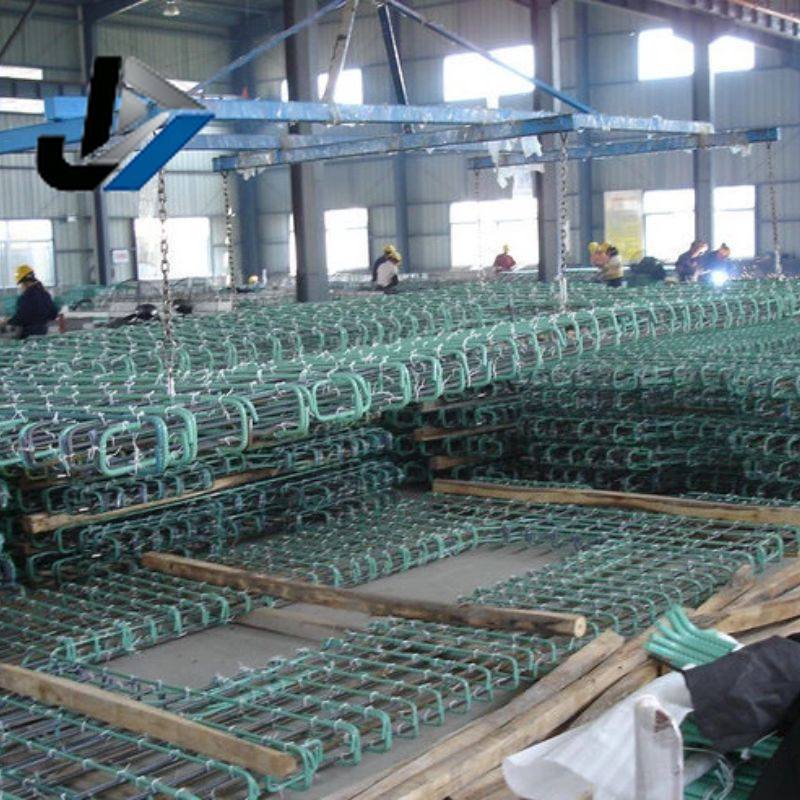
* Padded slings or wide straps only; no hooks, no sharp-edged lifting gear

* No dragging bars across concrete, formwork or steel edges

* Separated storage from bare steel, off the ground, covered

* Coated spacers, chairs and tie wire to avoid punctures

* Touch-up of minor damage before concreting
If the site team treats coated bars like ordinary rebar, the design life is compromised regardless of how good the factory coating was.
Galvanized bars are more forgiving in handling

* Minor scratches and edge damage remain protected by the zinc

* Standard lifting practice is usually acceptable

* Storage and transport are less delicate

* Cut ends and bends still receive sacrificial protection

For projects with inexperienced crews, tight schedules and heavy site traffic, this tolerance is a genuine advantage.
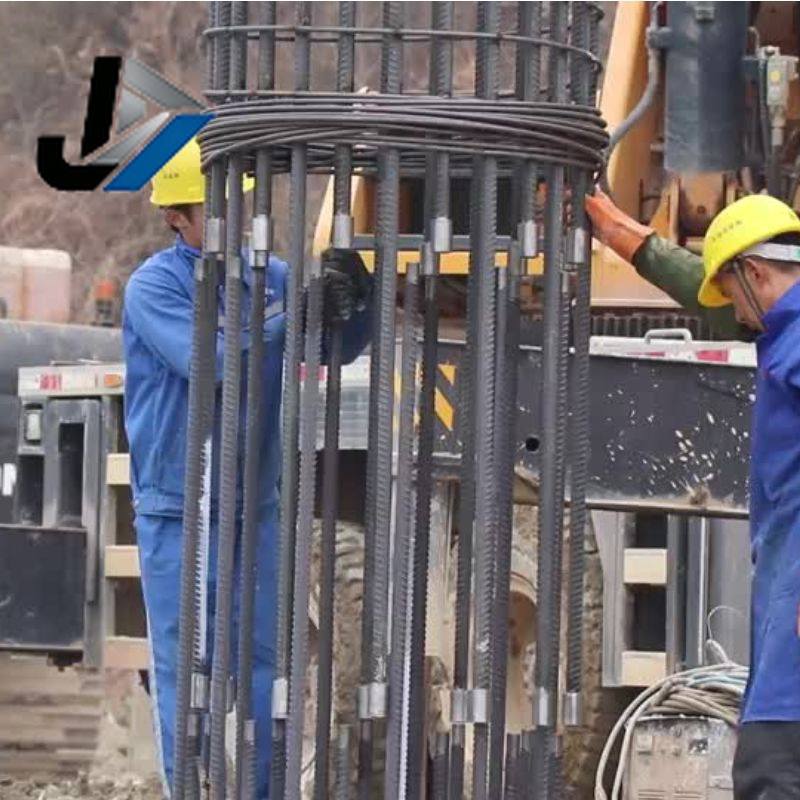
Epoxy Coated Rebar vs Galvanized Rebar: Which Protection Actually Fits Your Project?

Schematic of On-Site Hoisting of Epoxy-Coated Reinforcing Bars


Epoxy Coated Rebar vs Galvanized Rebar: Which Protection Actually Fits Your Project?

Schematic of On-Site Hoisting of Galvanized Rebar


Cost Structure: Beyond Price per Ton

Compare the four cost blocks below rather than a single unit price.
  1. Material premium — the gap over bare rebar for each option, at your exact size and quantity.
  2. Fabrication cost — cutting, bending, welding and any coating repair or post-weld treatment.
  3. Protection risk cost — the value of defects you can and cannot detect before concreting.
  4. Life-cycle cost — inspection, repair, strengthening and downtime over the design life.
A useful rule of thumb: in chloride-rich, high-durability structures where the specification already requires a defined coating standard, epoxy coated bars are usually the specified solution. In moderately aggressive environments with demanding site conditions, galvanized reinforcement often delivers better practical value. Where both are technically defensible, the deciding factor is usually the project standard, not the price.

Environment-by-Environment Guidance

Exposure ConditionPractical DirectionWhy
Marine splash zone, seawater, quay wallsEpoxy coated per project standard; consider stainless for severe casesBarrier protection specified for high chloride; zinc may deplete
Coastal atmosphere, parking decks, bridges with de-icing saltEpoxy coated, or galvanized where code permitsBoth used; standard and design life decide
Inland bridges, moderate de-icing saltGalvanized or epoxy coatedHandling tolerance favours galvanizing
Wastewater tanks, chemical atmospheresEvaluate medium chemistry before choosingSome media attack zinc; others attack coating defects
Basement slabs, chloride-bearing soil or groundwaterEither, per specificationCoating continuity and workmanship matter more
Indoor dry structuresBare rebar with proper cover is usually sufficientCorrosion exposure does not justify coated bars
Site with heavy handling and inexperienced crewGalvanized preferredDamage tolerance
Note that "marine" is not a single condition. Splash zone, atmospheric zone and submerged zone behave very differently, and the correct answer may change within one project.

Standards, Testing and Documentation

Whatever you choose, the specification should name the standard and the required tests, because that is what makes the delivery auditable.
For epoxy coated bars, typical verification includes coating thickness, adhesion, flexibility and pinhole / holiday detection, plus base bar mechanical properties.
For galvanized bars, typical verification includes coating mass or thickness, adhesion and base bar mechanical properties.
Both should come with a Mill Test Certificate, and third-party inspection can be arranged for either. The most common procurement failure is not choosing the wrong grade — it is ordering "epoxy coated" or "galvanized" without stating the standard, thickness and inspection requirement, then receiving product that technically exists but does not match the design intent.

A Five-Minute Decision Checklist

Work through these in order.
  1. What is the actual exposure? Chloride level, temperature, wet/dry cycle, splash zone or atmospheric zone.
  2. What does the project standard require? ASTM, EN, ISO or national code — and does it name a coating type?
  3. Is the design sensitive to bond or welding? Development length, lap splice, welded assemblies.
  4. How disciplined is the site? Handling capability decides how much coating damage you should expect.
  5. What is the design life and repair window? Long life with difficult access justifies higher initial protection.
  6. Can defects be detected and repaired before concreting? If yes, barrier systems become more attractive.

If two answers conflict — for example a high-chloride exposure but a low-discipline site — escalate to a material review instead of picking one coating by habit.

Conclusion: Choose the Mechanism, Not the Marketing

Epoxy coated rebar and galvanized rebar are not competitors on a quality ladder. One blocks, one sacrifices. Epoxy suits chloride-heavy, specification-driven structures where coating continuity can be controlled and verified. Galvanizing suits projects that need damage tolerance, simpler handling and predictable performance in moderately aggressive conditions.
Write down the exposure, the standard and the site reality before you compare prices, and the decision usually makes itself. If you want an independent opinion, send us the service conditions and the bar schedule — we will tell you honestly which protection fits, including when neither is the right answer.

Not Sure Which Protection Your Project Needs?

Send us the exposure condition and the bar schedule, and we will tell you honestly which option fits — including when neither epoxy nor galvanizing is the right answer.
What to include in your enquiry
  • Exposure: marine / bridge / parking deck / wastewater / basement / other
  • Chloride level and maximum temperature, if known
  • Bar diameter, grade, length or bending schedule (BBS)
  • Applicable standard and coating requirement
  • Quantity, destination port and required delivery date
Talk directly with our factory
Tel: +86 190 3368 1875
WhatsApp: +86 190 3368 1875
Email: judesteel@juqing.hk
We reply with technical confirmation and an export quotation within 24 hours. Factory audit, sample bars and third-party inspection are welcome.

FAQ

A:

Neither is universally better. Epoxy coated rebar protects by barrier isolation and is commonly specified for chloride-heavy structures such as bridges, marine works and parking decks. Galvanized rebar protects by sacrificial zinc action and is more tolerant of handling damage. The correct choice depends on the exposure condition, the governing project standard and the site's handling discipline.

A:

Price per ton is usually the smaller part of the difference. Compare the full cost structure: material premium, fabrication and repair work, the risk of undetected defects before concreting, and repair or downtime over the design life. In many projects the deciding factor is the specification, not the unit price.

A:

A properly applied coating on a ribbed bar retains the deformation profile, and bond performance is addressed in the applicable standard and design code. Coating thickness and surface condition should follow that specification rather than an arbitrary preference, and development length should be confirmed with the structural engineer.

A:

It can be used where the code permits, but zinc is progressively consumed in aggressive chloride conditions, and the rate depends on exposure, temperature and coating mass. For high-chloride, long-design-life works, epoxy coated reinforcement or stainless steel is often specified instead.

A:

Minor epoxy coating damage can be repaired with approved touch-up material before concreting, and defects are usually detectable during inspection. Minor damage to galvanized bars remains protected by the surrounding zinc. Significant damage of either type should be assessed before the concrete pour.

A:

Yes, and this is the preferred sequence for epoxy coated bars: cut and bend first, then coat, so that cut ends, bends and rib areas receive continuous coverage. Coating before fabrication would leave bare steel at every cut and bend.

A:

Epoxy coated bars are commonly supplied to the ASTM A775 / A934 family, and galvanized reinforcement to the ASTM A1055 / A1095 family, with EN, ISO and national standards used where the project requires. Always state the standard, coating thickness or coating mass, and inspection requirement in the purchase specification.

A:

Yes. Mill Test Certificates and coating or coating-mass inspection reports are provided with shipments, and third-party inspection by SGS, BV or TUV can be arranged before loading.

Message

Submit