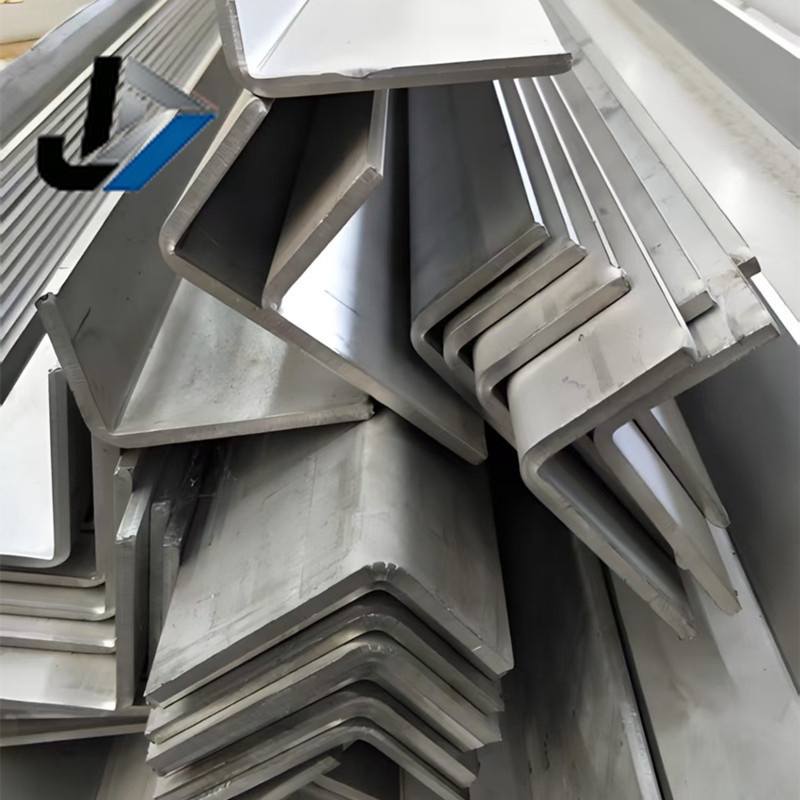
Hot-Dip Galvanized Angle Steel – When It Is the Right Choice for Outdoor Structures

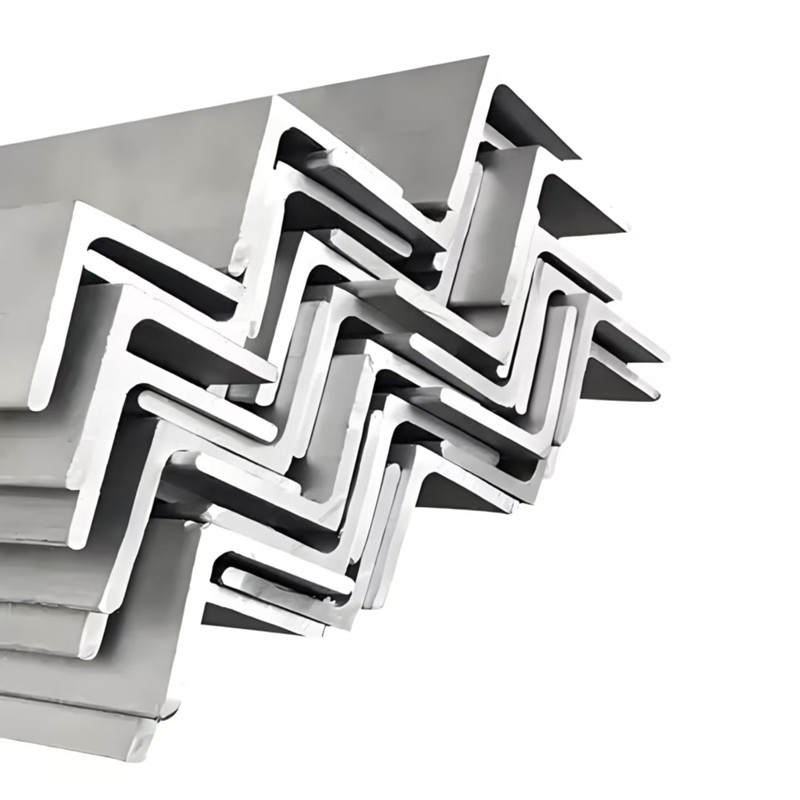
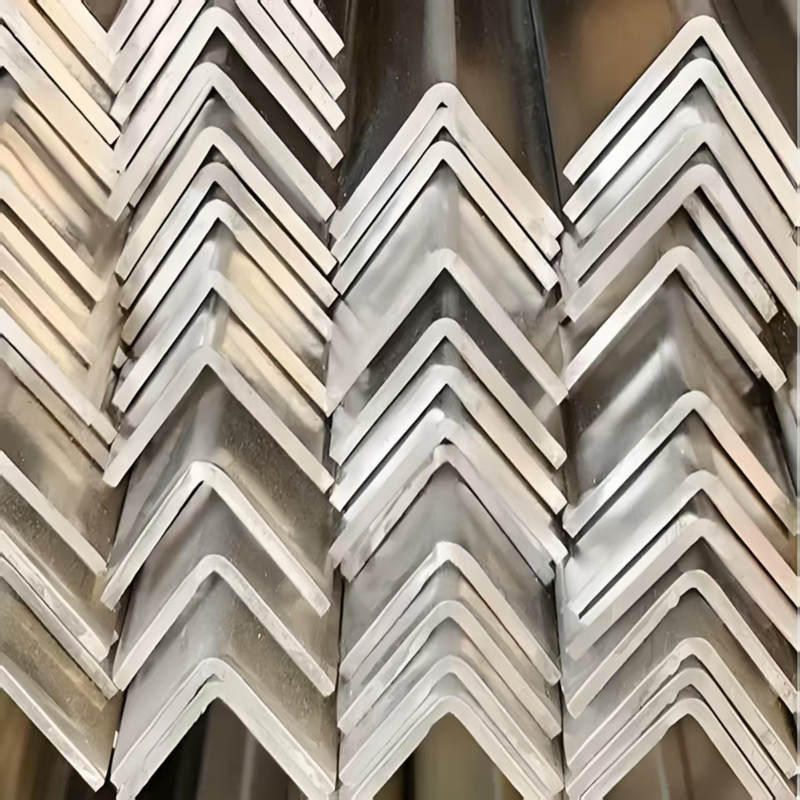
Hot-dip galvanized angle steel is one of the most practical structural profiles for outdoor, humid and corrosive environments. Compared with black carbon angle steel, it adds a thick zinc coating after hot rolling, giving the L-shaped section both barrier protection and sacrificial anode protection. This makes it especially suitable for transmission towers, building supports, warehouse racks, substation brackets, coastal structures and other applications where rust control and long service life matter.
Hot-Dip Galvanized Angle Steel – When It Is the Right Choice for Outdoor Structures

Hot-Dip Galvanized Angle Steel – When It Is the Right Choice for Outdoor Structures

Hot-Dip Galvanized Angle Steel – When It Is the Right Choice for Outdoor Structures


Why choose hot-dip galvanized angle over black angle steel?

Black angle steel is cost-effective and easy to weld, but it rusts quickly when exposed to moisture, rain or industrial atmospheres. Hot-dip galvanizing solves this problem by forming a metallurgical zinc-iron alloy layer on the steel surface.
The main advantages are:
  • Longer service life: hot-dip galvanized angles can serve for many years in outdoor environments with little maintenance.
  • Full coverage: edges, corners and welded zones receive zinc protection after fabrication.
  • Sacrificial protection: even if the coating is slightly scratched, zinc still protects the underlying steel.
  • Lower lifecycle cost: although the initial price is higher than black angle, maintenance and replacement costs are usually lower.

How thick should the zinc coating be?

Coating thickness is the most important parameter when specifying galvanized angle steel. For North American projects, ASTM A123/A123M is commonly used. For international projects, ISO 1461 is often referenced.
Under ASTM A123, the required minimum average coating thickness depends on steel thickness. For many structural shapes with thickness ≥ 6 mm, the typical requirement is 100 μm. For sections between about 3 mm and 6 mm, it is commonly around 85 μm.
This is why export buyers should not only ask for “galvanized angle steel,” but also confirm:
  • Galvanizing standard: ASTM A123, ISO 1461 or project specification
  • Minimum average zinc thickness
  • Whether post-fabrication galvanizing is required
  • Whether a coating inspection report is needed

Which steel grade should be used?

Galvanized angle steel can be produced from several international grades. The base material still determines strength, weldability and project compliance.
GradeTypical Use
GradeTypical Use
Q235BGeneral construction, brackets, shelves
Q355BHeavy structures, towers, outdoor supports
ASTM A36North American building and industrial structures
SS400Civil and industrial structures
S235JREuropean projects and steel frameworks
For transmission towers and heavy outdoor frames, Q355B or equivalent high-strength grades are often preferred. For general brackets and indoor-outdoor supports, Q235B, A36 or S235JR are widely used.

Where is hot-dip galvanized angle steel commonly used?

  • Transmission and communication towers: high corrosion resistance and stable L-section geometry.
  • Building steel structures: roof trusses, column bracing and support frames.
  • Substation and cable tray supports: durable performance in electrical infrastructure.
  • Warehouse shelves and platforms: good load-bearing capacity with rust protection.
  • Coastal and industrial facilities: better performance than black angle in humid air.

What should buyers check before placing an order?

A reliable galvanized angle steel specification should include:
  1. Type: equal angle or unequal angle
  2. Size: leg width and thickness
  3. Length: 6 m, 9 m, 12 m or custom cut
  4. Grade: Q235B, Q355B, A36, SS400, S235JR
  5. Galvanizing standard: ASTM A123, ISO 1461 or project requirement
  6. Inspection documents: MTC and zinc coating report
  7. Packaging: steel-strapped bundles with moisture protection for sea shipment

Final note

Hot-dip galvanized angle steel is not just “angle steel with a shiny surface.” Its value comes from the combination of base material strength, dimensional accuracy and verified zinc coating thickness. For export projects, specifying the correct galvanizing standard and inspection documents is as important as choosing the right size and grade.

If your project requires outdoor durability, consistent coating quality and export-ready documentation, hot-dip galvanized angle steel is usually a more reliable choice than black angle steel.


* Product Page:Galvinized Angle

* Related Articles:Hot-Dip Galvanized Angle Steel – When It Is the Right Choice for Outdoor Structures

* Related Product Pages:Angle Steel、Stainless Angle Steel

FAQ

A:

Please provide profile type, width, height, thickness, length, material grade, applicable standard, quantity and destination port. Drawings or section requirements help us confirm the correct profile faster.

A:

Hot-dip galvanized angles are galvanized after rolling or fabrication, giving thicker zinc coverage and better edge protection. Pre-galvanized angles are made from already galvanized sheets or coils, with thinner coating and limited cut-edge protection. Hot-dip galvanizing is preferred for outdoor and corrosive environments.

A:

For North American projects, ASTM A123/A123M is commonly specified for structural angles. For European and international projects, ISO 1461 is often referenced. The required zinc thickness should follow the project specification and material thickness.

A:

Yes, but welding will damage the local zinc coating. After welding, the affected area should be repaired with zinc-rich paint or metallized zinc according to the project requirement.

A:

The base weight can be calculated from the hot-rolled section. Galvanized weight is usually estimated at 3–5% higher than the black angle weight, depending on zinc coating thickness.

Message

Submit