How to Choose the Right Steel Flange for International Projects in 2026

Why Flange Selection Matters More in 2026

Steel flanges are no longer just “standard connecting parts.” In oil & gas, chemical processing, power generation, shipbuilding, water treatment and renewable energy projects, a wrong flange choice can cause installation failure, seal leakage, delayed inspection or even site rejection.
For overseas buyers, the biggest risks usually come from three areas:
  • Mixing ASME Class and EN PN systems without checking dimensions
  • Selecting material only by price instead of service environment
  • Missing required certificates such as MTC, PED/CE or third-party inspection reports

This guide helps procurement teams, EPC contractors and distributors make clearer decisions before placing orders.
How to Choose the Right Steel Flange for International Projects in 2026

How to Choose the Right Steel Flange for International Projects in 2026

How to Choose the Right Steel Flange for International Projects in 2026


Step 1: Confirm the Applicable Standard System

The first question is not “which size,” but which standard system the project follows.
Standard SystemTypical UseKey Notes
ASME B16.5 / B16.47Oil & gas, power, US projectsClass 150–2500; inch-based DN/NPS
EN 1092-1Europe, Middle East, many EPC projectsPN series; Type 01/02/05/11 etc.
GB/T 9112–9124 / HG/T 20592China domestic and some export projectsPN and Class versions available
JIS B2220Japan and some Asian projects5K, 10K, 16K, 20K series
Even if two flanges show the same DN and PN rating, their outer diameter, bolt circle, bolt hole number and thickness may differ. For example, EN 1092-1 and GB/T PN flanges look similar but are not always interchangeable, especially above PN25.
Buyer tip: Always specify the full designation, such as
EN 1092-1 Type 11 WN RF PN16 DN200
or
ASME B16.5 WN RF Class 300 NPS 8 A105.

Step 2: Choose the Correct Flange Type

Flange type should match pressure, temperature and installation conditions.
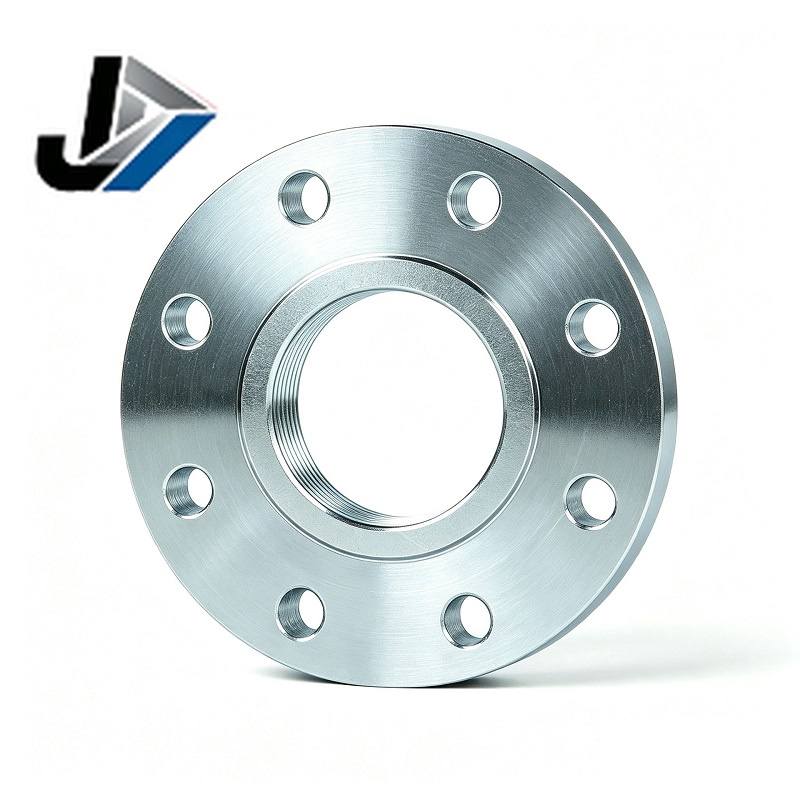
  • Weld Neck Flange: Best for high pressure, high temperature and critical pipelines.
  • Slip-On Flange: Lower cost and easier installation, but not ideal for severe cyclic service.
  • Blind Flange: Used to close pipe ends, vessels or valve nozzles.
  • Socket Weld Flange: Suitable for small-bore piping, usually DN ≤ 80.
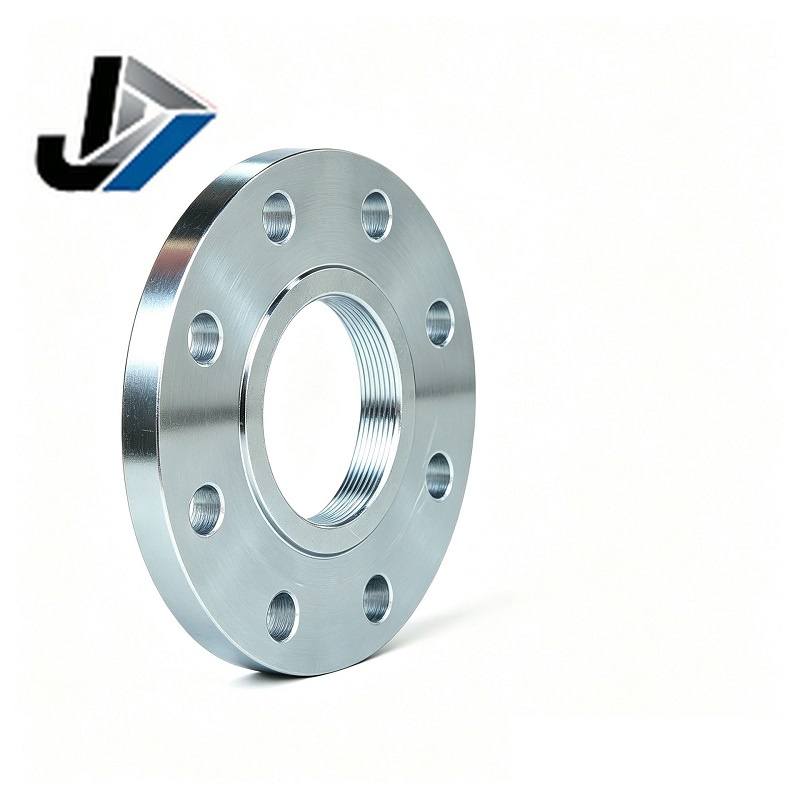
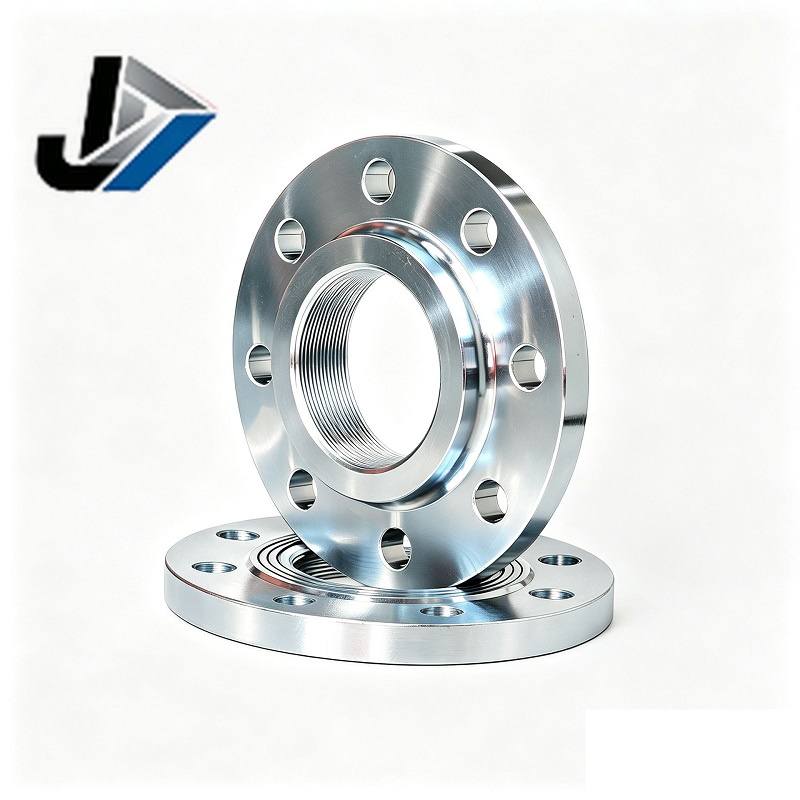
  • Threaded Flange: Used where welding is not allowed or for galvanized piping.
  • Lap Joint Flange: Useful for alignment and systems using stub ends.
For export projects, weld neck and slip-on flanges remain the most frequently requested types, especially in carbon steel and stainless steel.

Step 3: Match Material to Service Environment

Material selection should follow pressure, temperature, corrosion risk and welding requirements.
MaterialTypical UseSelection Note
Carbon Steel A105 / P235GH / P265GHOil & gas, water, steam, general pipingCost-effective; needs corrosion protection in wet environments
Stainless Steel 304/304L, 316/316LChemical, marine, food, water treatmentBetter corrosion resistance; avoid chloride-induced pitting
Duplex 2205 / 2507Offshore, seawater, sour serviceHigher strength and chloride resistance
Alloy Steel F11 / F22 / F91Power plants, high-temperature steamRequires controlled welding and heat treatment
Carbon steel still holds the largest share in the global flange market because of its cost advantage and mature supply chain. However, stainless steel and duplex steel are increasingly preferred in marine, chemical and LNG-related applications where corrosion resistance and lifecycle cost matter more than initial price.

Step 4: Check Pressure Class and Temperature Rating

Pressure class alone does not define safe working pressure. The allowable pressure must be checked together with design temperature.
  • ASME flanges use Class 150, 300, 600, 900, 1500, 2500.
  • EN and GB flanges commonly use PN10, PN16, PN25, PN40, PN63, PN100.
  • Higher temperature reduces allowable pressure for the same material.
  • Low-temperature services may require impact-tested materials.
For high-pressure systems such as Class 900 and above, buyers should pay special attention to forging quality, heat treatment records and non-destructive testing reports.

Step 5: Define Sealing Face and Gasket Compatibility

The sealing face directly affects leak risk and maintenance frequency.
Common sealing faces include:
  • RF Raised Face: Most common for general piping.
  • FF Flat Face: Often used with cast iron equipment or low-pressure systems.
  • RTJ Ring Type Joint: Suitable for high-pressure oil & gas lines.
  • MFM / TG: Used where tighter sealing is required.
ASME B16.5 has tightened requirements on sealing surface roughness and flatness in recent editions, which helps reduce leakage when paired with modern low-stress gaskets. Buyers should confirm sealing face type before ordering gaskets and bolts.

Step 6: Require Traceable Documentation

For international procurement, documentation is as important as dimensions.
Typical required documents include:
  • Mill Test Certificate according to EN 10204 3.1
  • Material grade and heat number traceability
  • Dimensional inspection report
  • Non-destructive testing report for high-class flanges
  • Third-party inspection by SGS, BV, TUV or equivalent if required
  • CE/PED documentation for EU projects using EN 1092-1 flanges
A complete marking should include standard, material, DN/NPS, pressure class, sealing face, heat number and manufacturer identification.

Common Mistakes to Avoid

* Writing only “PN16 flange” in the inquiry.

Always add standard, type, sealing face and material.

* Assuming EN and GB flanges are fully interchangeable.
They may look similar but can differ in bolt hole position and thickness.
* Choosing material by price only.
Chloride, sour gas, low temperature and high temperature all change the correct material choice.
* Ignoring gasket and bolt selection.
Flange performance depends on the complete joint system.
* Confirming dimensions after production.
Critical dimensions should be confirmed before forging or machining.

FAQ

A:

We can supply steel flanges according to ASME B16.5 / B16.47, EN 1092-1, GB/T 9112–9124, HG/T 20592 / 20615 and JIS B2220. The exact standard should follow the project drawing, valve connection and piping specification.

A:

ASME flanges use Class 150, 300, 600, 900, 1500 and 2500, while EN and GB PN flanges use PN10, PN16, PN25, PN40, PN63 and PN100. They belong to different dimension systems and are not directly interchangeable. Even if DN and pressure look similar, outer diameter, bolt circle and bolt hole number may differ.

A:

Common materials include A105, P235GH, P250GH, P265GH for carbon steel; 304/304L, 316/316L, 1.4301, 1.4401, 1.4404 for stainless steel; and F11, F22, F91, duplex 2205/2507 for alloy or high-corrosion applications. Material selection should consider pressure, temperature, corrosion risk and welding requirements.

A:

Weld Neck Flange is usually preferred for high-pressure, high-temperature and critical pipelines because it provides better strength and fatigue resistance. Slip-On and Plate flanges are more suitable for low or medium-pressure systems where installation cost is a priority.

A:

1.RF Raised Face: most common; suitable for general oil, gas, chemical and water systems.
2.FF Flat Face: used for low-pressure systems or cast iron equipment; not suitable for high-pressure service.
3.RTJ Ring Type Joint: used for high-pressure and high-temperature systems, typically Class 900 and above, with metal ring gaskets.

A:

EN 1092-1 and GB/T / HG/T PN flanges are dimensionally similar in many cases, but they are not automatically identical for all sizes and pressure classes. For DN200 and above, bolt hole number and drilling may differ. Final compatibility should be confirmed by the dimension table.

A:

We can provide Mill Test Certificate EN 10204 3.1, material traceability by heat number, dimensional inspection report and non-destructive testing report when required. For EU projects, CE/PED-related documentation can be arranged according to the applicable standard and contract.

A:

Yes. Third-party inspection by SGS, BV, TUV or equivalent can be arranged before shipment. Typical inspection items include material verification, dimensional check, visual inspection, NDT and packaging confirmation.

A:

Yes. We can manufacture non-standard flanges according to drawings, special pressure classes, special bore sizes, special sealing faces or special material requirements. Please provide DN/NPS, PN/Class, standard, material, sealing face and drawing for quotation.

A:

Flanges are usually protected with anti-rust oil, sealed faces covered with plastic caps or wooden covers, and then packed in wooden cases or steel-bundled pallets. Marking includes standard, material, DN/NPS, PN/Class, heat number and order number for easy traceability.

Message

Submit