Wire Rod, Rebar or Drawn Wire? What Each One Is and When to Order It

The Question That Causes Wrong Orders

Enquiries often say "we need steel wire, 8 mm" — and the supplier ships wire rod when the buyer needed drawn wire, or supplies rebar when the application was binding wire. All three are steel, all three can be 8 mm, but they are produced differently, tested differently and used differently. This article sets out the differences in plain terms.

What Each Product Actually Is

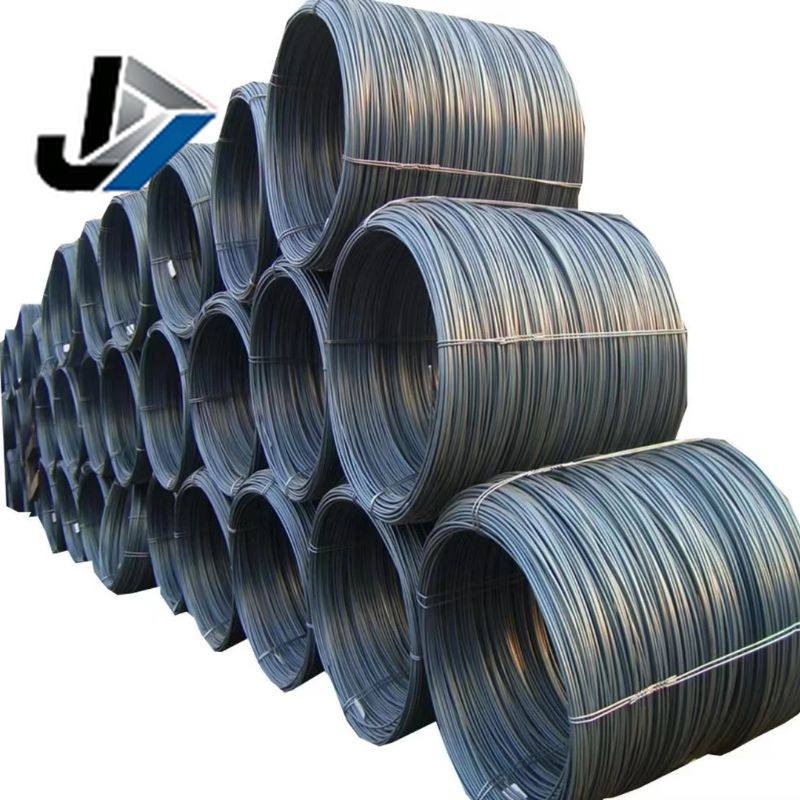
Wire rod is a hot rolled, coiled semi-finished product, typically 5.5–14 mm in diameter, wound into coils of roughly 2–3 tons. It is not a finished article: it is drawn, annealed, galvanized, forged or formed into something else. Its value lies in surface quality, dimensional accuracy and coil condition, because those determine whether it runs cleanly on a drawing line.
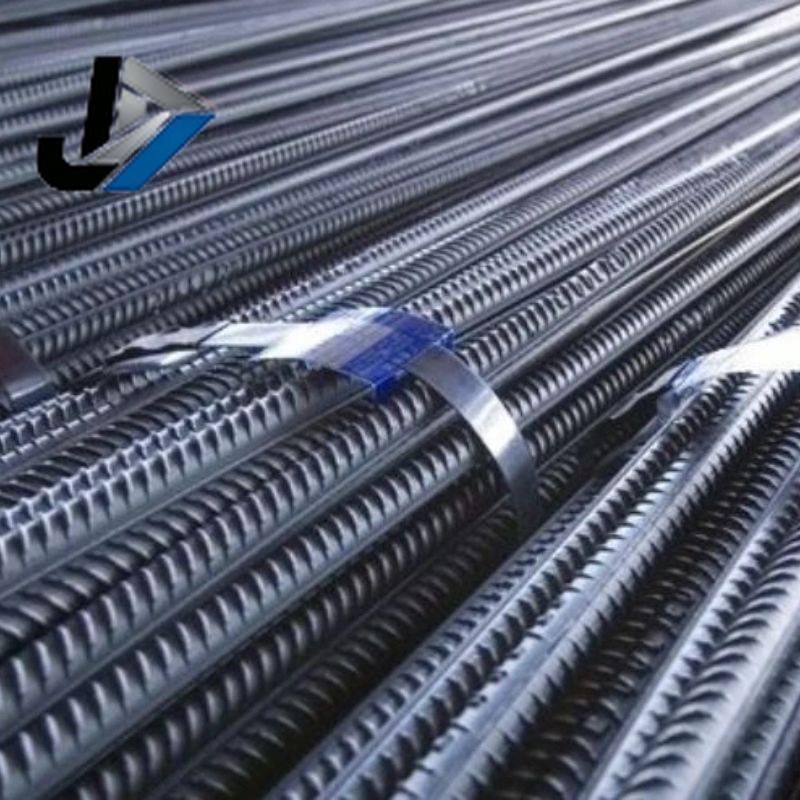
Rebar (deformed steel bar) is a hot rolled straight bar with ribs, normally 6–50 mm and 9 m or 12 m long, produced to a reinforcement standard such as GB/T 1499.2, EN 10080 or ASTM A615. Its purpose is to carry tensile force inside concrete, so rib geometry, yield strength, elongation and bond behaviour are the controlling requirements.

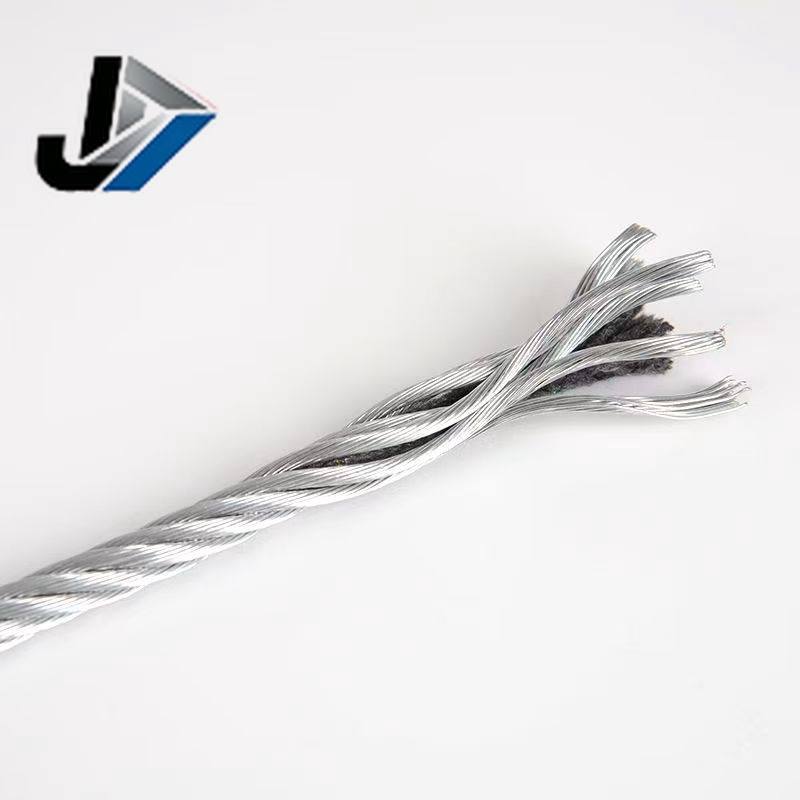
Drawn wire is wire rod that has been pulled through dies at room temperature to a smaller diameter, often followed by annealing or coating. It is a finished or near-finished product — used directly for binding, mesh, fencing, springs, welding wire or cable cores. Its controlling properties are diameter tolerance, surface condition, tensile strength and ductility after drawing.
Wire Rod, Rebar or Drawn Wire? What Each One Is and When to Order It

Wire Rod

Wire Rod, Rebar or Drawn Wire? What Each One Is and When to Order It

Rebar


Wire Rod, Rebar or Drawn Wire? What Each One Is and When to Order It

Drawn wire


Side-by-Side Comparison

AspectWire RodRebarDrawn Wire
ProductionHot rolled, coiledHot rolled, straight, ribbedCold drawn from rod, sometimes annealed or coated
Typical size5.5–14 mm6–50 mm0.2–10 mm after drawing
Delivery formCoils 2–3 tStraight lengths 9 m / 12 m, or cut and bentCoils, straightened and cut lengths
SurfaceSmooth mill finish, no ribsRibbed for concrete bondSmooth, bright, dull or galvanized
Governing standardGB/T 14981, ASTM A510, EN 10016, JIS G3505GB/T 1499.2, EN 10080, ASTM A615, JIS G3112Often buyer spec or product standard for the finished wire
Key test focusComposition, tensile, surface, coil geometryYield, tensile, elongation, bend, rib geometryDiameter tolerance, tensile, elongation, coating mass
Main useInput material for drawing and formingConcrete reinforcementDirect use: binding, mesh, fencing, springs, welding
Price driverGrade, diameter, coil weight, surfaceGrade, diameter, length, bending workDiameter, coating, annealing, cut length

Three Mistakes We See Repeatedly

1. Ordering rebar for a wire application.
Rebar is ribbed, straight and tested for bond with concrete. It cannot be used where smooth, coiled, draw-quality material is required, and its surface and geometry are unsuited to drawing dies.
2. Ordering wire rod when drawn wire is needed.
If the application is binding wire, mesh or fencing, buying rod means paying for drawing work you then have to do yourself. Buying drawn wire directly is usually cheaper and always easier to control.
3. Judging wire rod only by grade and diameter.
Two coils with the same grade and diameter can behave very differently on a drawing line if surface condition or coil winding differs. Surface defects and loose coils cause breakage, downtime and die damage — specify both.

How to Choose

Your situationWhat to order
You operate a drawing line and need input materialWire rod, specified by grade, diameter, coil weight and surface requirement
You need binding wire, mesh or fencing wireDrawn wire, galvanized where outdoors
You are reinforcing concreteRebar to the governing reinforcement standard
You make nails, pins or cold-formed partsWire rod suited to cold forging, or drawn wire where diameter is small
You make springs or high-strength wireHigh-carbon wire rod, drawn and heat treated
You need welded mesh or gabionsGalvanized drawn wire, or the mesh itself
If the finished product is known, the choice usually follows directly. If it is not, describe the application and target properties to the supplier before requesting a price.

Specification Checklist Before You Order

* What is the finished article, and what property must it meet?

* Which product is required — rod, rebar or drawn wire?

* Grade and governing standard (state the standard, not only the grade name).

* Diameter, tolerance and, for rod, coil weight.

* Surface requirement: mill, descaled, lubricated, bright, galvanized.

* Length or cut-length requirement; bending schedule if applicable.

* Test and certificate requirement, and whether third-party inspection is needed.

Answering items 1 and 3 in writing removes most disputes at delivery.

CTA

Tell us the finished product, not just the size
Send the application, target diameter, grade or standard, coil weight or length requirement, quantity and destination port. We will confirm the correct product type and reply with an export quotation within 24 hours.

TEL:+86 19063793739 / +86 029 86382955

WhatsApp:+86 19033681875

Email:judesteel@juqing.hk


FAQ

A:

No. Wire rod is hot rolled coiled input material; drawn wire has been cold drawn to a smaller diameter and is usually a finished product.

A:

No. Rebar is ribbed, straight and produced to a reinforcement standard, so it is unsuited to drawing and to applications needing smooth coiled wire.

A:

Wire rod is cheaper per ton, but drawn wire includes drawing, annealing and sometimes coating. Compare the finished cost per usable ton, not the raw price.

A:

Match your pay-off equipment; 2–3 tons is common, with 1.5–3.5 tons arranged where required.

A:

Yes. Mill test certificates are provided with each shipment, and third-party inspection can be arranged.

Message

Submit