Short Description
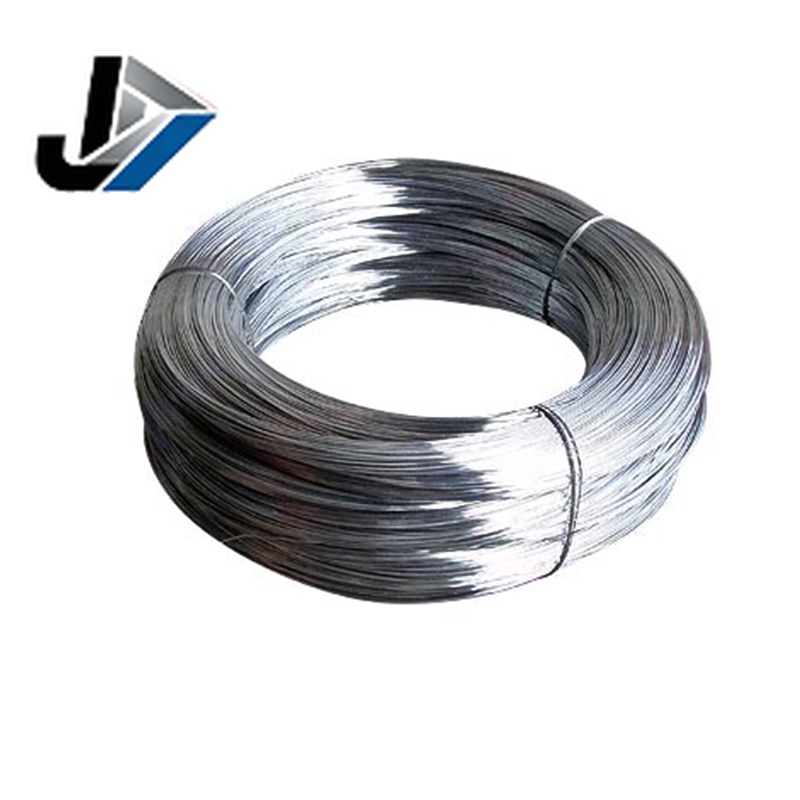
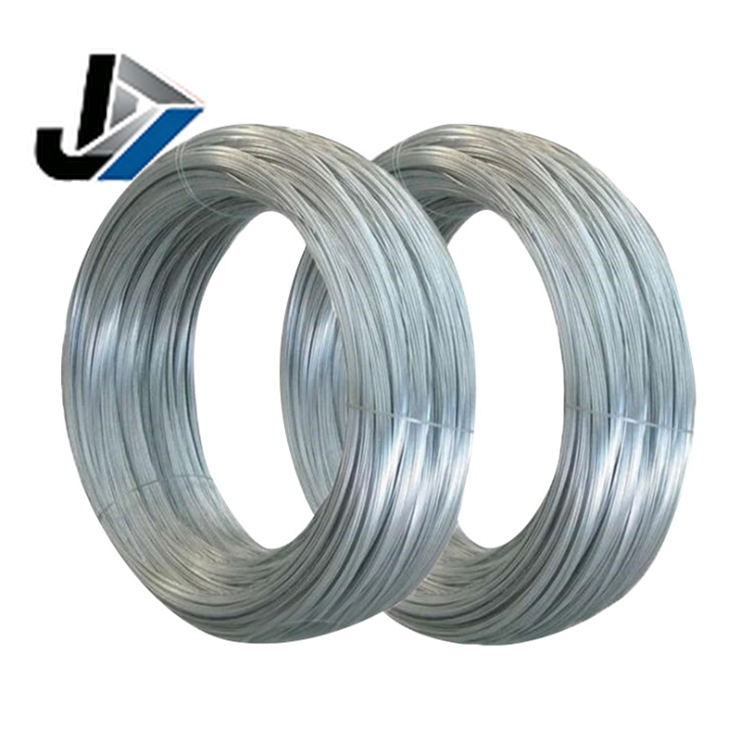
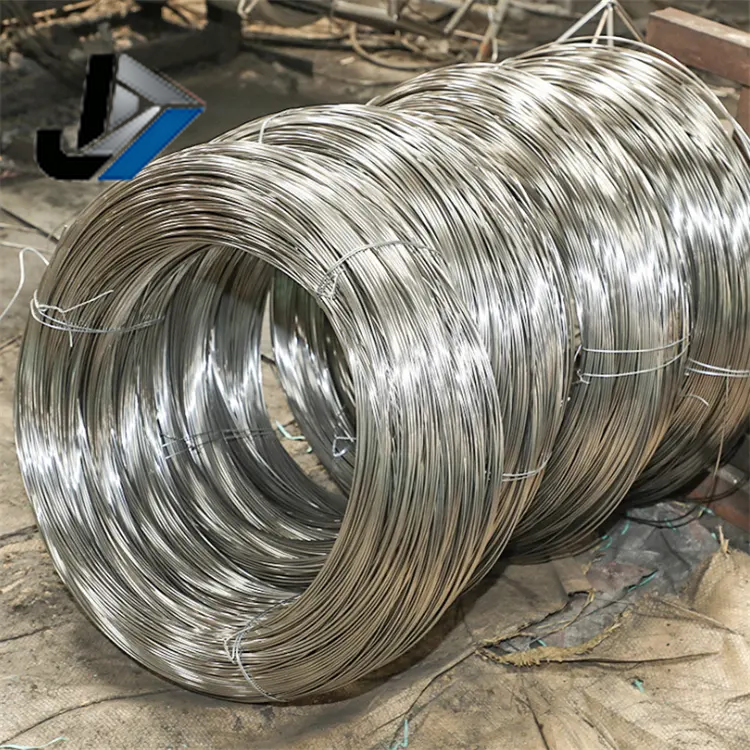
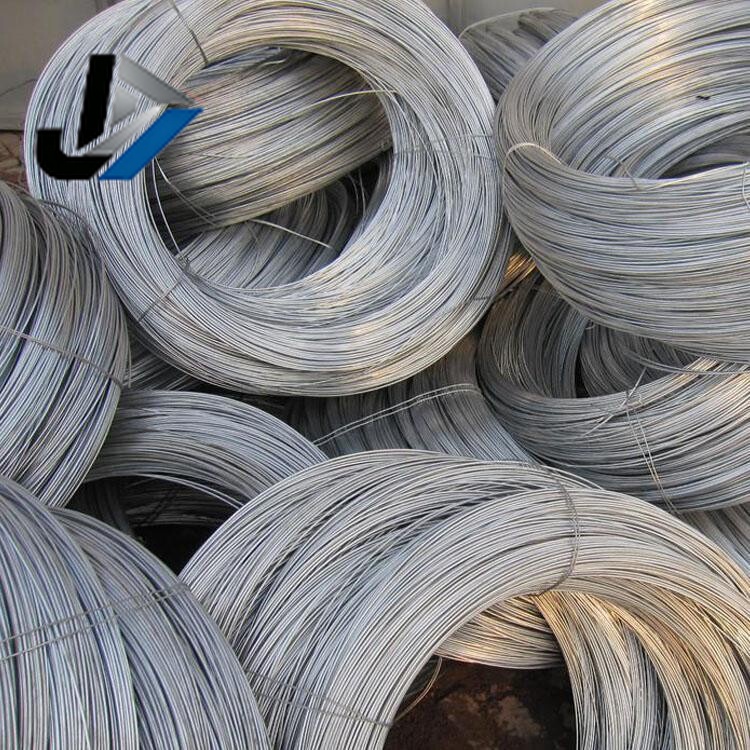
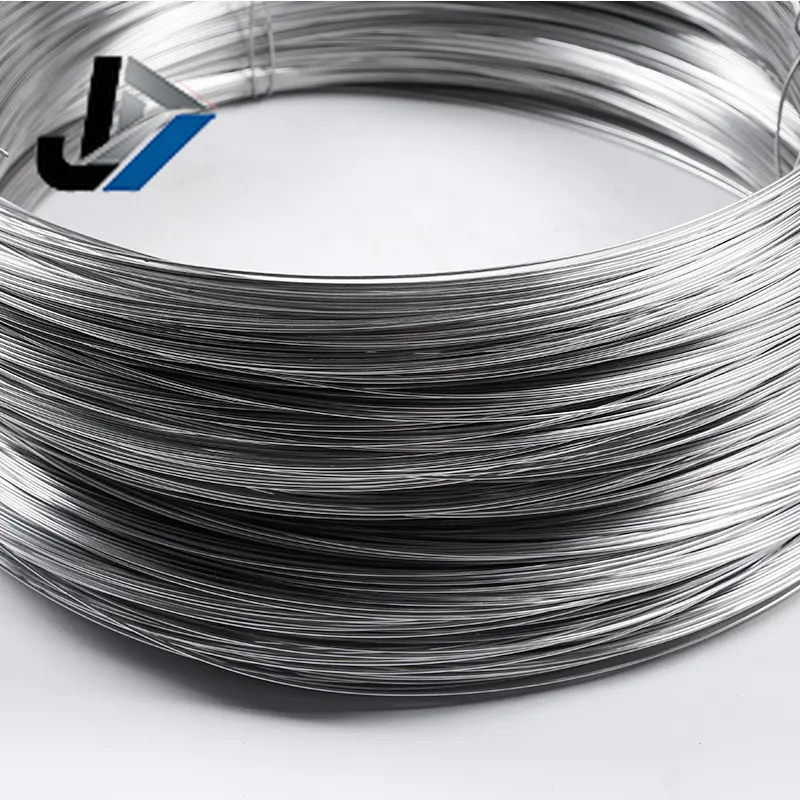
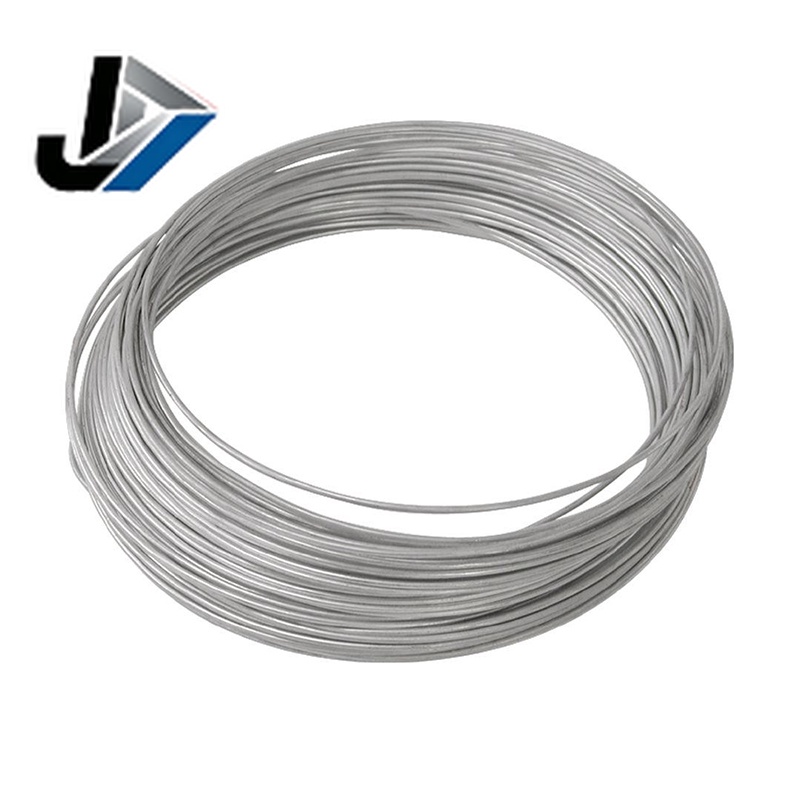
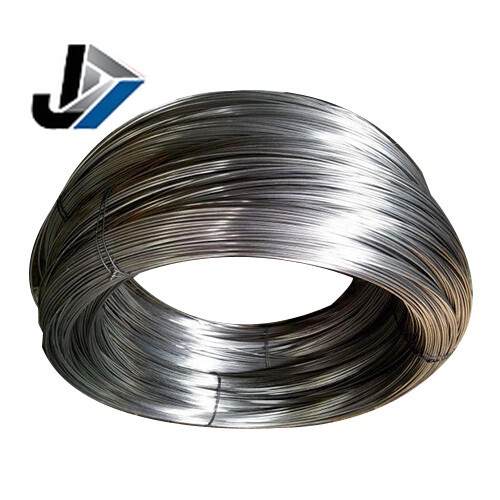
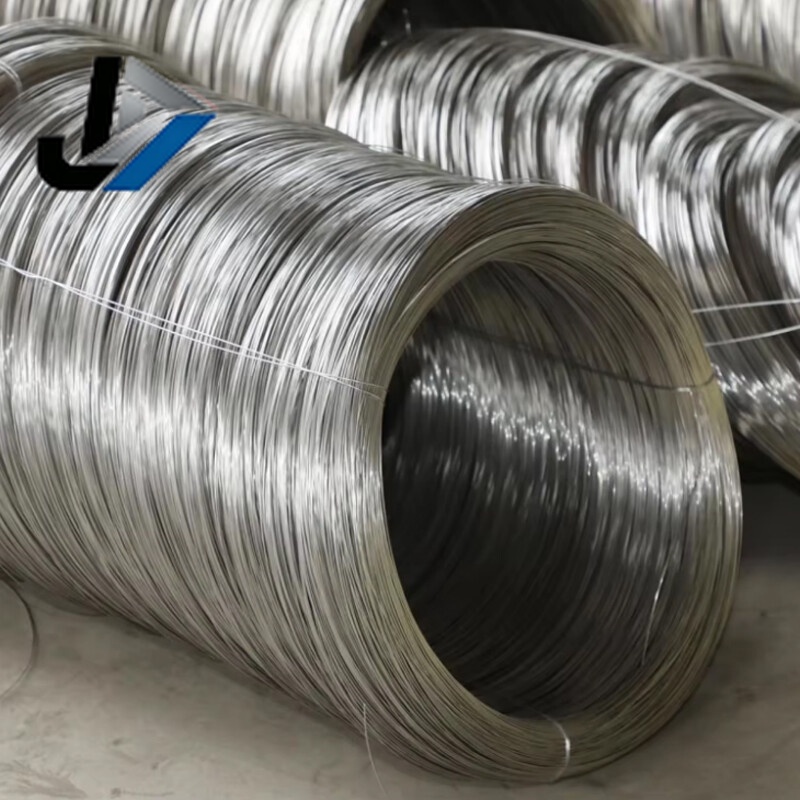
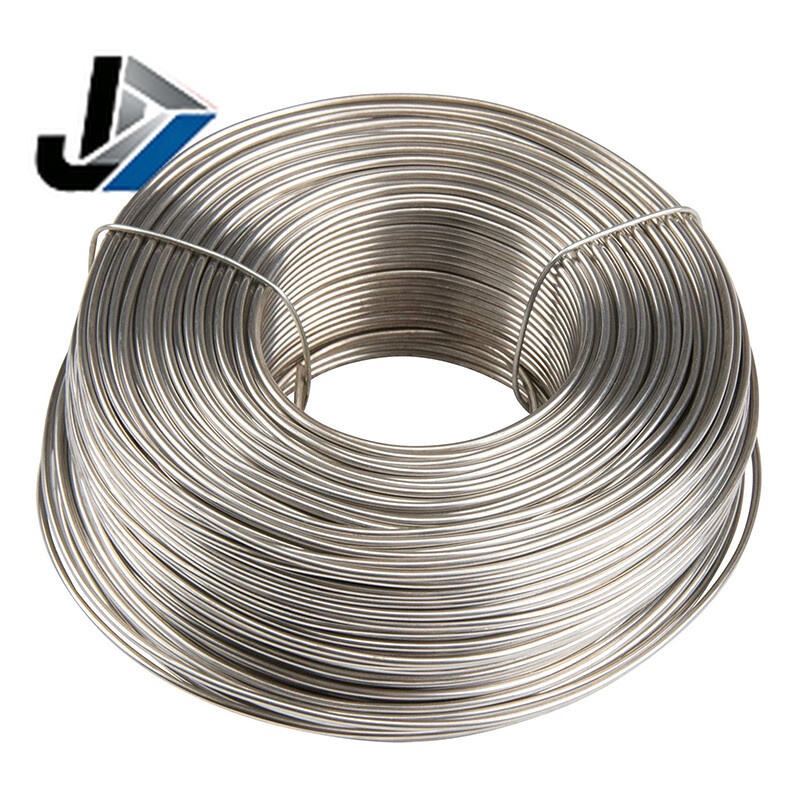
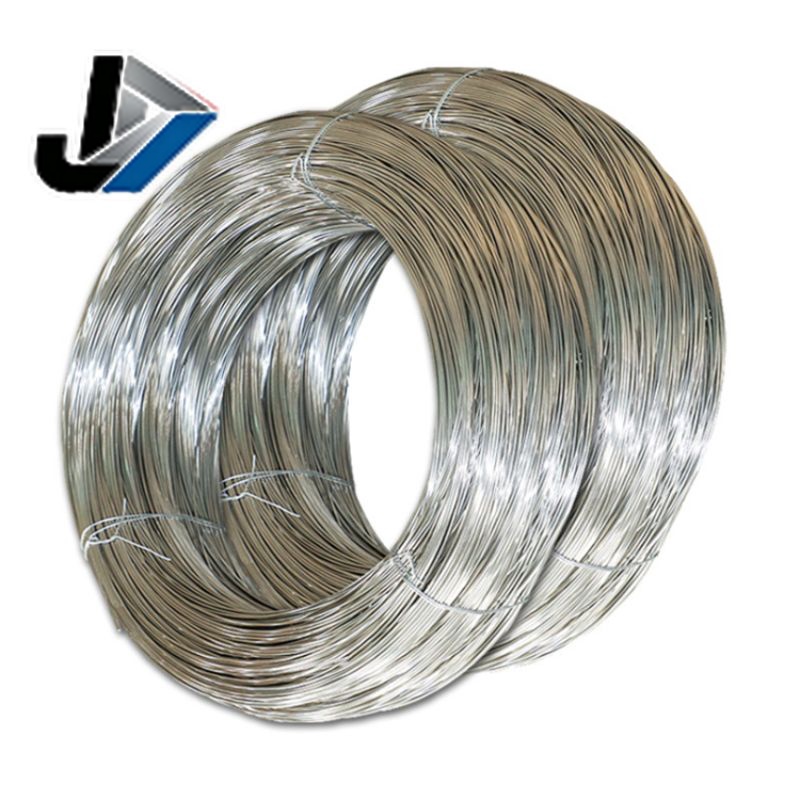
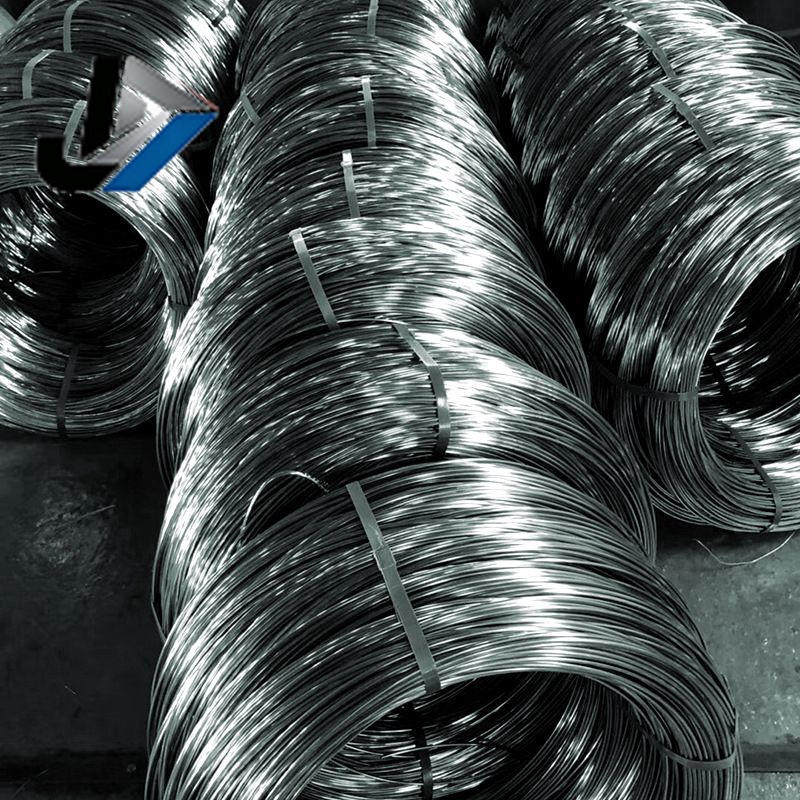
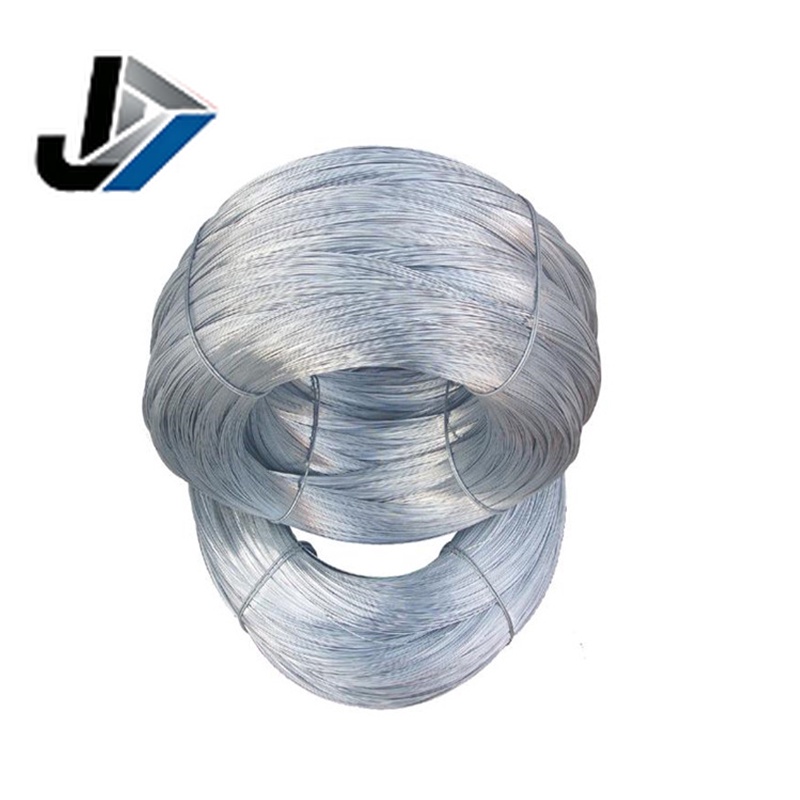
We supply 316 stainless steel wire — a molybdenum-bearing austenitic wire specified where 304 is not enough against chlorides, pitting and acidic or marine exposure — available as 316, 316L and 316Ti (UNS S31600 / S31603 / S31635 family) in diameters from 0.1 mm to 6 mm, in bright annealed, polished, cut-length or welded-mesh form. The defining element is molybdenum (approx. 2–3%). It is what gives 316 its markedly better resistance to pitting and crevice corrosion in chloride-containing environments compared with 304, and its better behaviour in acidic, coastal, chemical and process-water service. For this reason 316 is the default wire for outdoor and marine mesh, chemical and food-grade equipment, pharma and laboratory components, and welded assemblies in corrosive service.
316 is a corrosion-resistance grade, not a heat-resistance grade. Where the wire must survive sustained furnace or kiln temperature, 310 / 310S is the correct family, and we supply that as well.
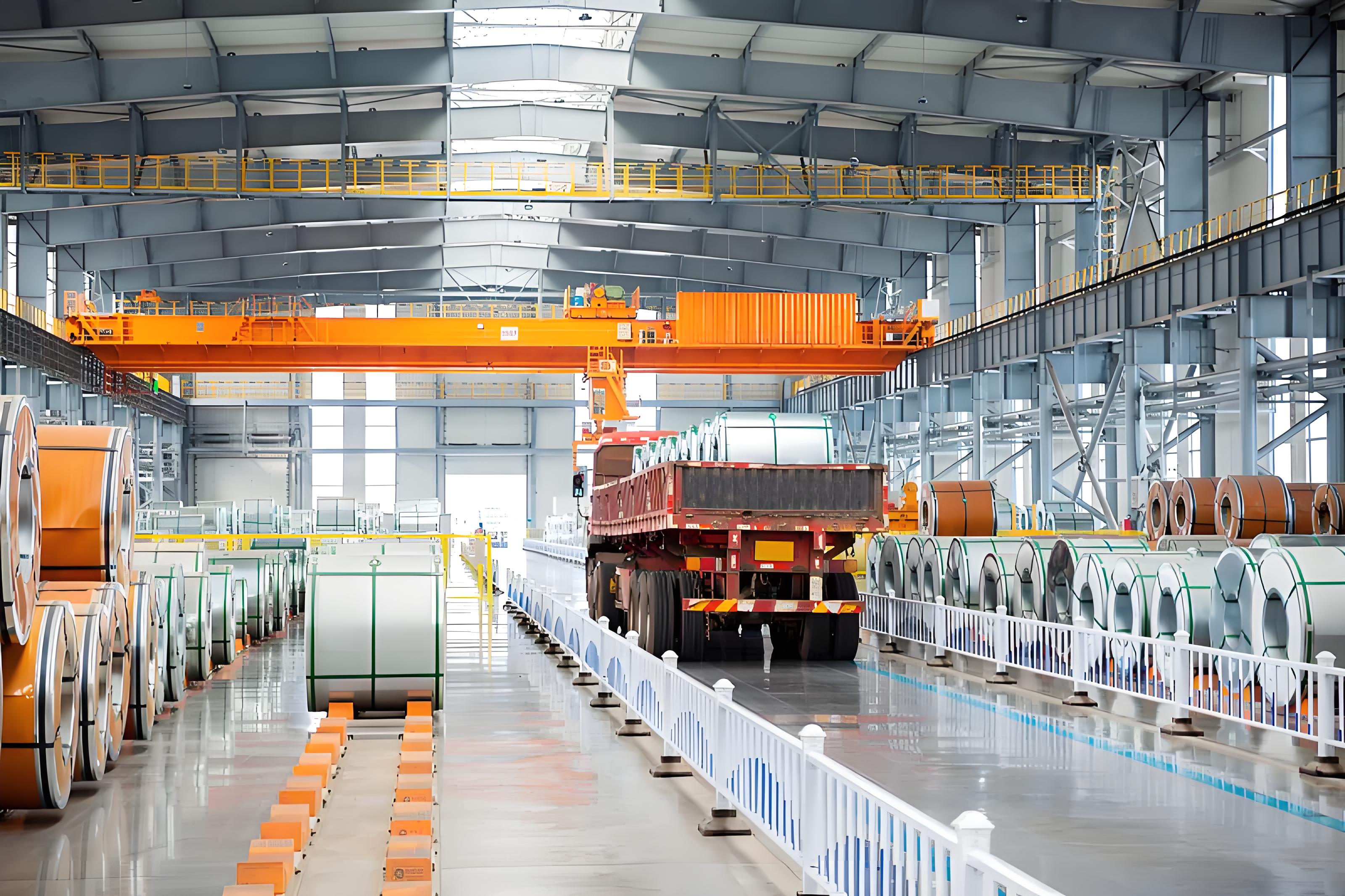
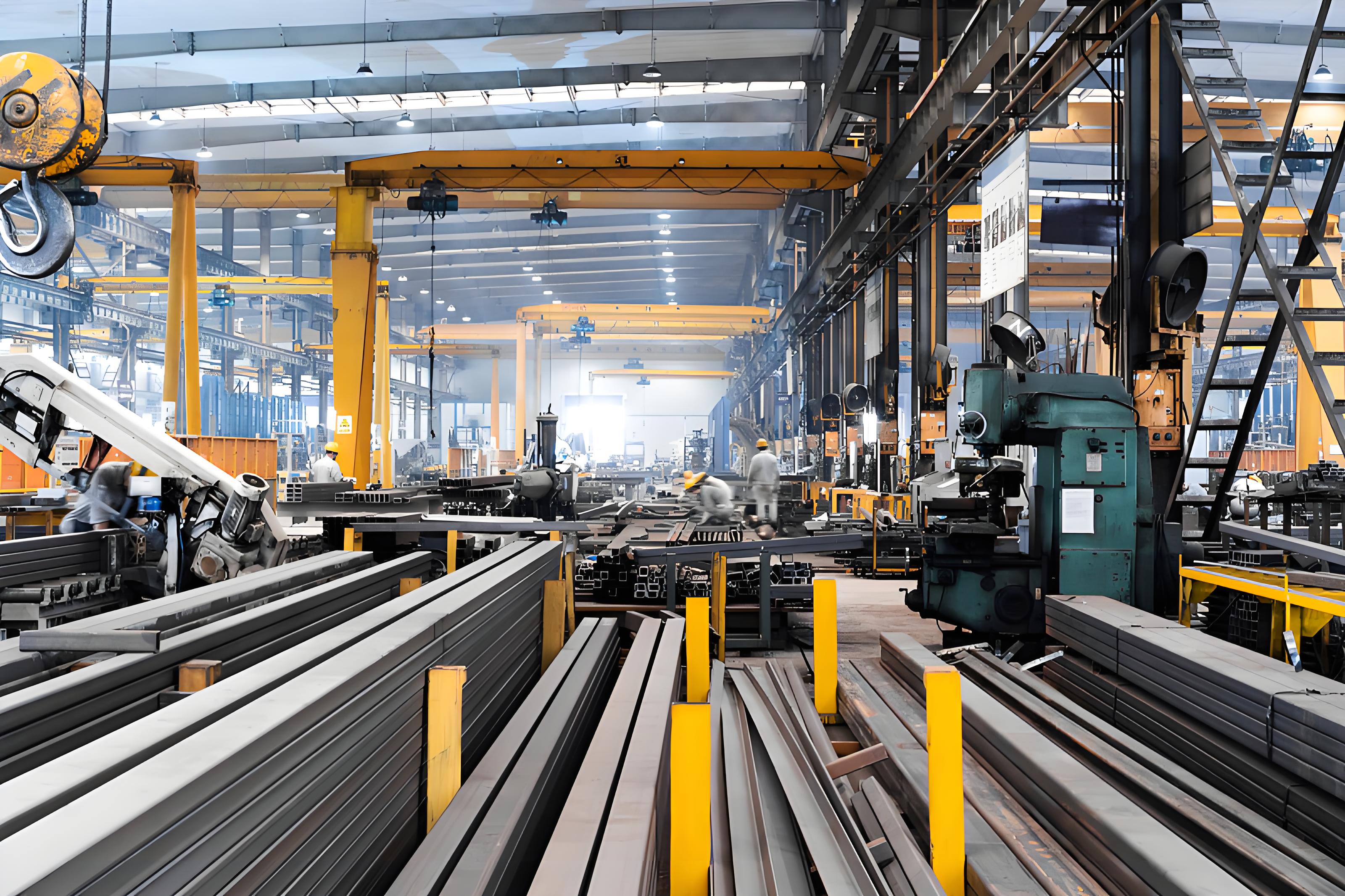
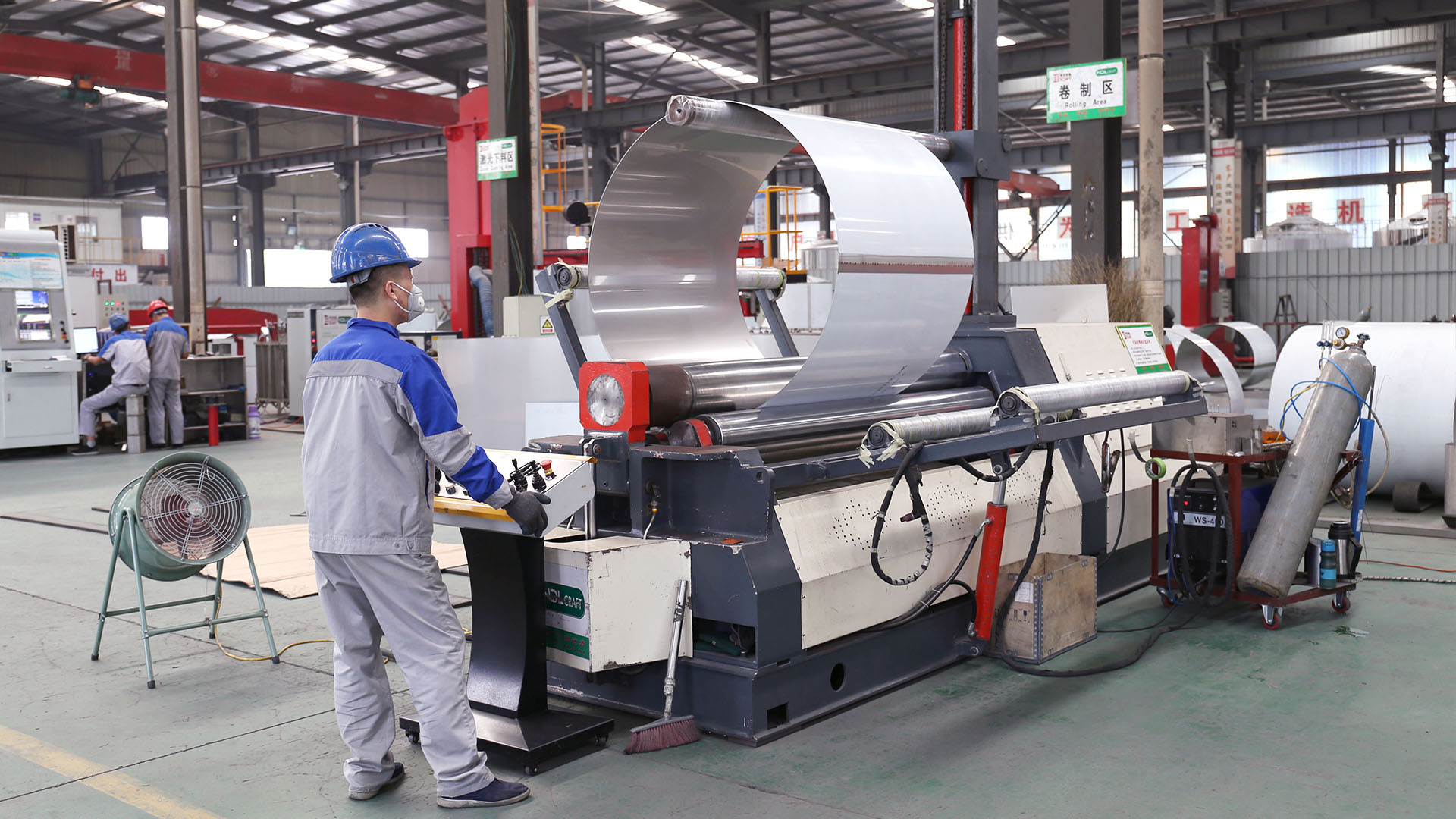
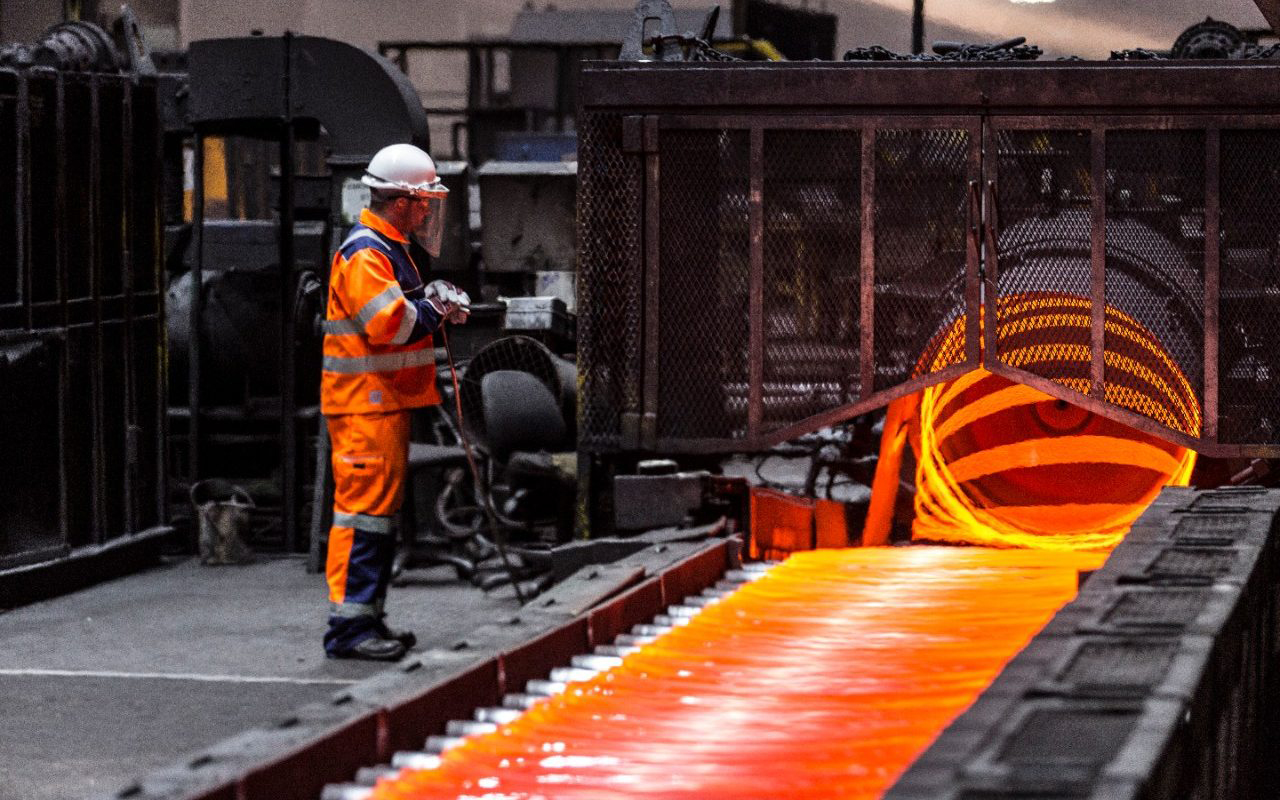
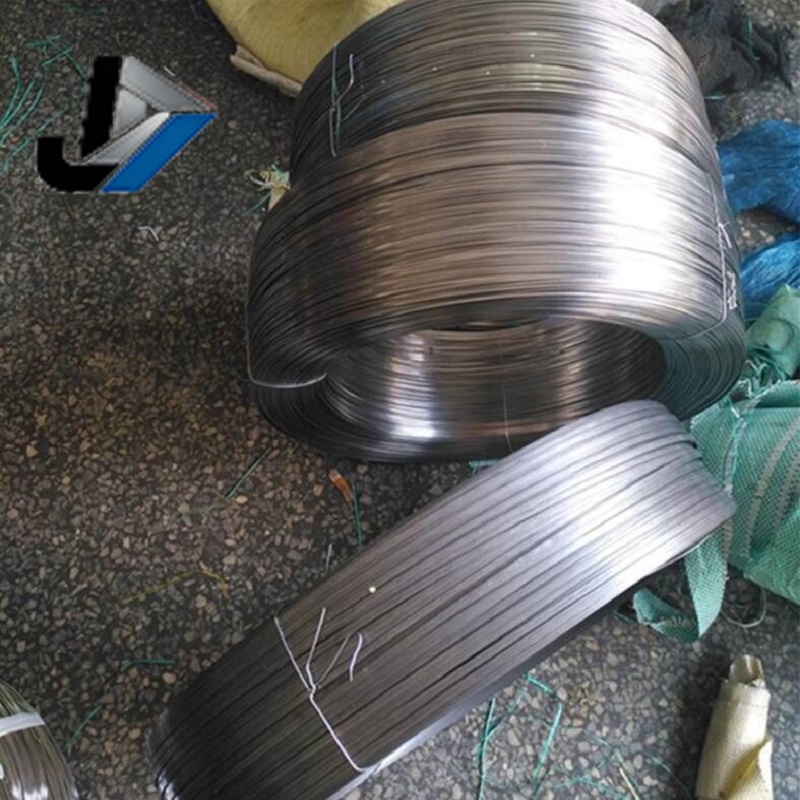
Wire is produced from quality rod, drawn with intermediate annealing and pickling, and finished to your required surface condition, temper, straightness and coil or cut-length form, with composition and mechanical properties certified per heat.
| Name | 316 Stainless Steel Wire |
| Main material | 316 /316L /316LSi |
| Surface finish | Matt or bright |
| Diameter | 0.03-20mm or custom |
| Standard | GB/AISIIS/SUS/UNS/DIN/BS |
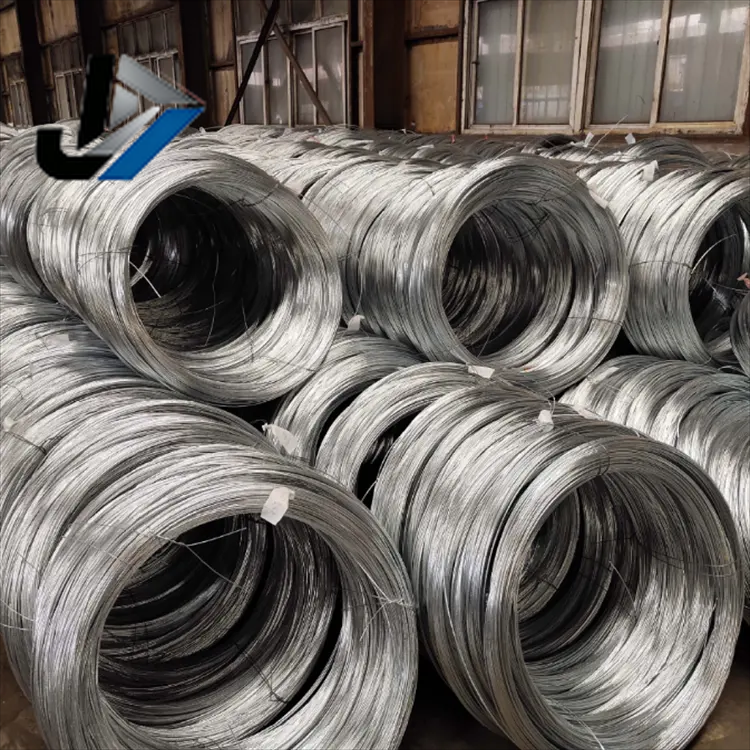
| Length | 500m-2000m/reel or as your requirement |
| Application | Spring, BBQ mesh, wire forms, cable, clothes hanger, dish rack, |
| Artistic work, fishery, steel wire ball, precise instrument, medical instrument, oil field etc. |
| Features | Bright surface/good formability/good elasticity/High dimensional accuracy/anti- |
| corrosion/acid-resistant/high temperature resistant/wear-resistant/ hard to age/high |
| tensile strength/chemical composition stability/purity |
| Price Term | Ex-Work,FOB, CIF, CFR |
| Package | 1. Carton package |
| 2. Wooden package |
| 3. As your requirement |
Composition of Stainless Steel
Steel is an alloy of iron and carbon. Stainless steels are steels containing at least 10.5% chromium, less than 1.2% carbon and other alloying elements. Stainless steel’s corrosion resistance and
mechanical properties can be further enhanced by adding other elements, such as nickel, molybdenum, titanium, niobium, manganese, etc.
| Grade | C | Si | Mn | P | S | Cr | Ni | Mo | N | Cu |
| 201 | ≤0.15 | ≤0.75 | 5.5~7.5 | ≤0.060 | ≤0.03 | 16.00~18.00 | 3.5~5.5 | - | - | 0.08 |
| 202 | ≤0.15 | ≤1.00 | 7.5~10.00 | ≤0.060 | ≤0.03 | 17.00~19.00 | 4.0~6.0 | - | ≤0.25 |
|
| 301 | ≤0.15 | ≤1.00 | ≤2.00 | ≤0.045 | ≤0.03 | 16.00~18.00 | 6.00~8.00 | - |
|
|
| 302 | ≤0.15 | ≤1.00 | ≤2.00 | ≤0.035 | ≤0.03 | 17.00~19.00 | 8.00~10.00 | - |
|
|
| 304 | ≤0.07 | ≤1.00 | ≤2.00 | ≤0.045 | ≤0.03 | 18.00~20.00 | 8.00~10.50 | - |
|
|
| 304L | ≤0.030 | ≤1.00 | ≤2.00 | ≤0.045 | ≤0.03 | 18.00~20.00 | 9.00~13.00 | - |
|
|
| 310S | ≤0.08 | ≤1.00 | ≤2.00 | ≤0.045 | ≤0.03 | 24.00~26.00 | 19.00~22.00 | - |
|
|
| 316 | ≤0.08 | ≤1.00 | ≤2.00 | ≤0.045 | ≤0.03 | 16.00~18.00 | 10.00~14.00 | 2.00~3.00 |
|
|
| 316L | ≤0.03 | ≤1.00 | ≤2.00 | ≤0.045 | ≤0.03 | 16.00~18.00 | 12.00~15.00 | 2.00~3.00 |
|
|
| 321 | ≤0.08 | ≤1.00 | ≤2.00 | ≤0.045 | ≤0.03 | 17.00~19.00 | 9.00~13.00 | - |
|
|
| 430 | ≤0.12 | ≤0.75 | ≤1.00 | ≤0.040 | ≤0.03 | 16.00~18.00 |
| - |
|
|
| 2205 | ≤0.03 | ≤1.00 | ≤2.00 | ≤0.030 | ≤0.015 | 22.00~23.00 | 4.5~6.5 | 2.5~3.5 |
|
|
| 2507 | ≤0.03 | ≤0.08 | ≤1.20 | ≤0.035 | ≤0.015 | 24.00~26.00 | 6.00~8.00 | 3.0~5.0 |
|
|
| 904L | ≤0.02 | ≤1.00 | ≤2.00 | ≤0.045 | ≤0.035 | 19.00~23.00 | 23.00~28.00 | 4.0~5.0 |
| 1.0~2.0 |
| INCONEL028 | ≤0.03 | ≤1.00 | ≤2.50 | ≤0.030 | ≤0.030 | ≤28.0 | ≤34.0 | ≤4.0 |
| ≤1.4 |
| MONEL400 | ≤0.30 | ≤0.5 | ≤2.00 | - | ≤0.024 | - | ≥63.0 | - |
| ≤34.0 |
| INCONEL800 | ≤0.10 | ≤1.00 | ≤1.50 | - | ≤0.015 | ≤23.0 | ≤35 | 4.0~5.0 | - | ≤0.75 |
The three are the same alloy family and differ mainly in carbon content and stabilisation, which changes weld behaviour and resistance to sensitization.
| Grade | Carbon (indicative) | Main characteristic | Typical selection |
|---|
| Grade | Carbon (indicative) | Main characteristic | Typical selection |
|---|
| 316 | approx. ≤ 0.08% | General-purpose 316 wire | Non-welded parts, mesh, general corrosive service |
| 316L | approx. ≤ 0.03% | Low carbon; reduced sensitization risk | Welded mesh, fabricated assemblies, welded structures |
| 316Ti | approx. ≤ 0.08%, titanium-stabilized | Titanium binds carbon; resists sensitization | Where 316Ti is specified by design or regional practice |
Carbon limits and property values are indicative. The governing figures are those in the applicable standard (ASTM A580, GB/T 4240, JIS G4309, EN 10088-3 or your specification) and in the mill test certificate for the delivered heat.
Selection rule: if the wire will be welded after forming, specify 316L; if the drawing or regional specification names 316Ti, we supply the titanium-stabilized version; for non-welded wire, mesh and components, 316 is normally sufficient. Tell us whether welding follows, and we confirm the grade before quotation.
Please state the grade, diameter, finish, temper, length or coil requirement and governing standard in the order. Equivalent grades across ASTM, GB, JIS and EN are similar in composition class but are not directly interchangeable in tolerances, surface requirements or certification.
Mechanical Properties (Typical)
Values are indicative and depend on diameter, temper and processing history; the governing figures are those in the applicable standard and in the mill test certificate for the delivered heat.
| Condition | Tensile strength (approx.) | Elongation (approx.) | Typical use |
|---|
| Condition | Tensile strength (approx.) | Elongation (approx.) | Typical use |
|---|
| Annealed (soft) | 500–650 MPa | 35–50% | Deep drawing, weaving, forming, welded mesh |
| Quarter / half hard | 700–1000 MPa | 20–35% | Mesh, springs, parts needing moderate stiffness |
| Spring temper | 1000–1600 MPa | 8–20% | Springs, clips, tensioned wire forms |
Two engineering notes we state openly:
- Sensitization. 316 held in roughly the 450–850 °C range — including welding without proper practice — can precipitate chromium carbides and lose corrosion resistance at the heat-affected zone. Where welding or post-form heat exposure occurs, specify 316L or 316Ti.
Chloride stress-corrosion cracking. Austenitic grades including 316 can suffer chloride SCC, with risk rising notably above roughly 60 °C under tensile stress in chloride-containing environments. If your service is hot chloride plus sustained stress, tell us — 2205 duplex is often the technically correct alternative.
Typical Applications
- Marine, coastal and outdoor mesh — fencing, screens, guards, gabion-style and architectural mesh
- Chemical and process industries — screens, filters, supports and fabricated parts in corrosive media
- Food, beverage and dairy — conveyor screens, sieves, hygienic mesh and components
- Pharmaceutical and laboratory — baskets, trays, mesh and precision components
- Water treatment and pools — filtration screens and corrosion-exposed wire parts
- Welded assemblies — 316L mesh, cages and fabricated structures in corrosive service
- Springs and formed wire — corrosion-exposed springs, clips and wire forms
- Architectural and decorative — polished wire, woven mesh, balustrade and design applications
Where the requirement is primarily high temperature, ask us about 310 / 310S wire; where it is high strength plus chloride resistance, ask about 2205.
Downstream Products We Supply from 316 Wire
- Welded and woven mesh for filtration, screening, guards and architectural use
- Straightened and cut lengths for pins, rods, staples and fabricated parts
- Polished wire for visible, hygienic or decorative components
- Springs and formed wire for corrosion-exposed spring applications
- Baskets, trays and fabricated assemblies produced in-house
- Welding wire and filler-related supply where matching 316/316L composition is required
Ordering the finished form from us removes a processing step and keeps composition and traceability under one supplier's control.
Processing Services for This Product
Wire drawing — multi-pass drawing with intermediate annealing and pickling to the required diameter and tolerance.
Bright annealing and pickling — controlled atmosphere annealing for bright surface, or pickled matte finish.
Polishing and buffing — polished surface for visible, hygienic or low-friction applications.
Straightening and cutting — cut to length with controlled straightness for pins, rods and fabricated parts.
Mesh and forming — welded mesh, woven mesh, springs, baskets and formed components produced in-house.
Marking and traceability — coils and bundles marked with grade, diameter, heat number, finish and project mark number.
Send your application description, environment, target diameter, finish and mechanical requirement and we will confirm the grade and processing route before quotation.
Packaging & Shipping
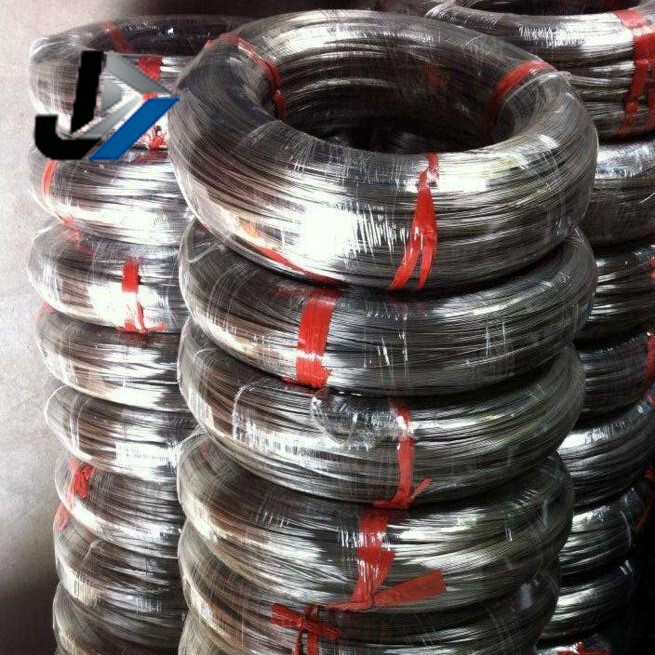
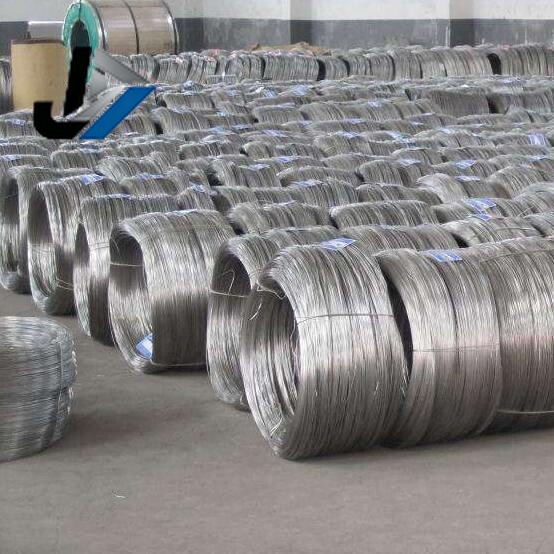
* Coils wound on plastic or wooden reels, individually bagged or wrapped
* Cut lengths bundled with timber supports to preserve straightness
* Polished wire double-wrapped with moisture barrier and protective interleaving
* Marking of grade, diameter, finish, heat number and standard on each package
* Documents: MTC, packing list, invoice, bill of lading, inspection report where arranged
* Loading planned to prevent coil crushing, tangling and surface damage
Call to Action
Specifying 316 for a corrosive application?
Send us the environment, temperature, load condition, target diameter, finish, grade (316 / 316L / 316Ti), quantity and destination port — and tell us whether the wire will be welded. Our technical team will confirm the correct grade and reply with an export quotation within 24 hours.Click here to get a quote now.