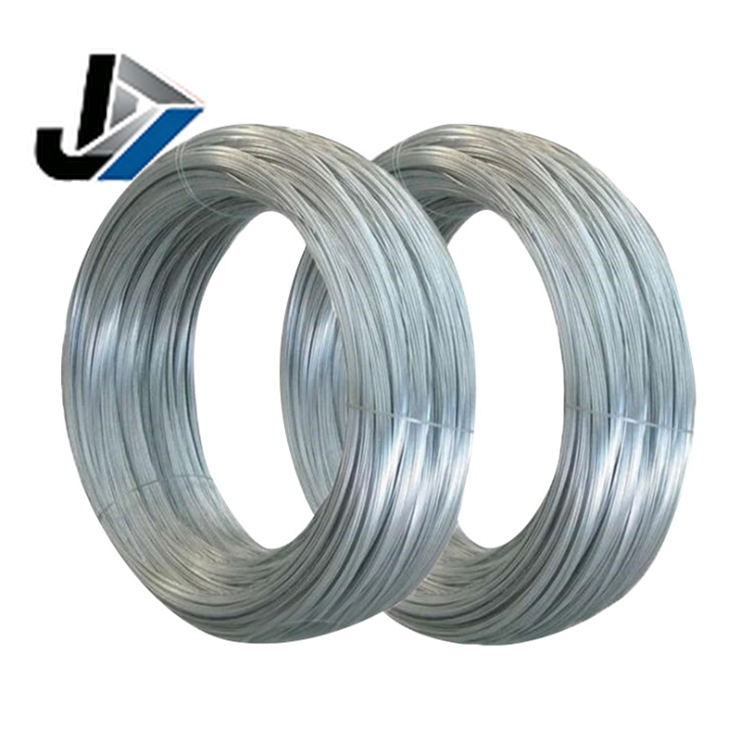
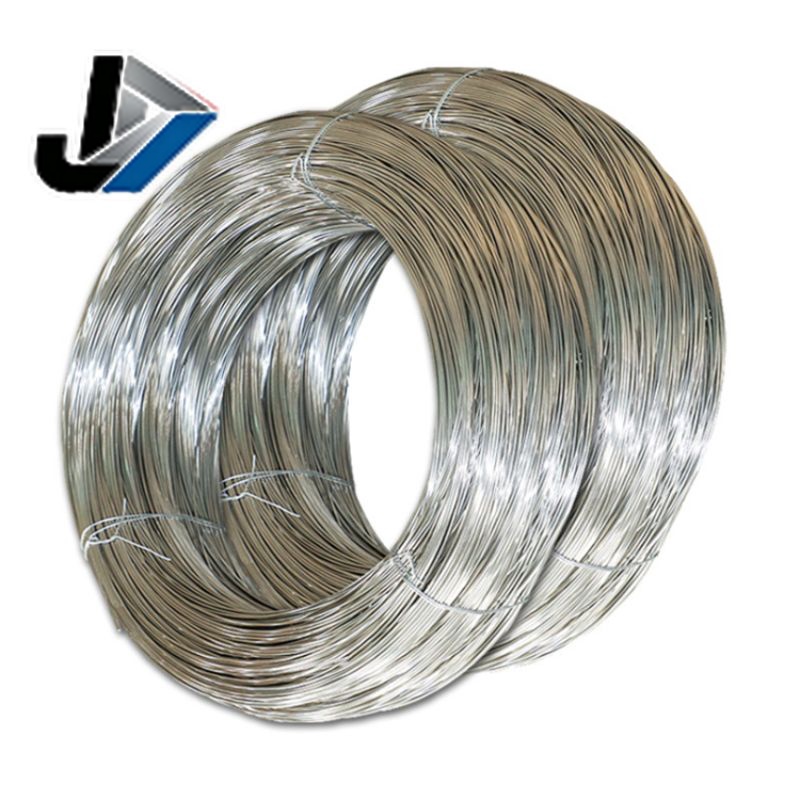
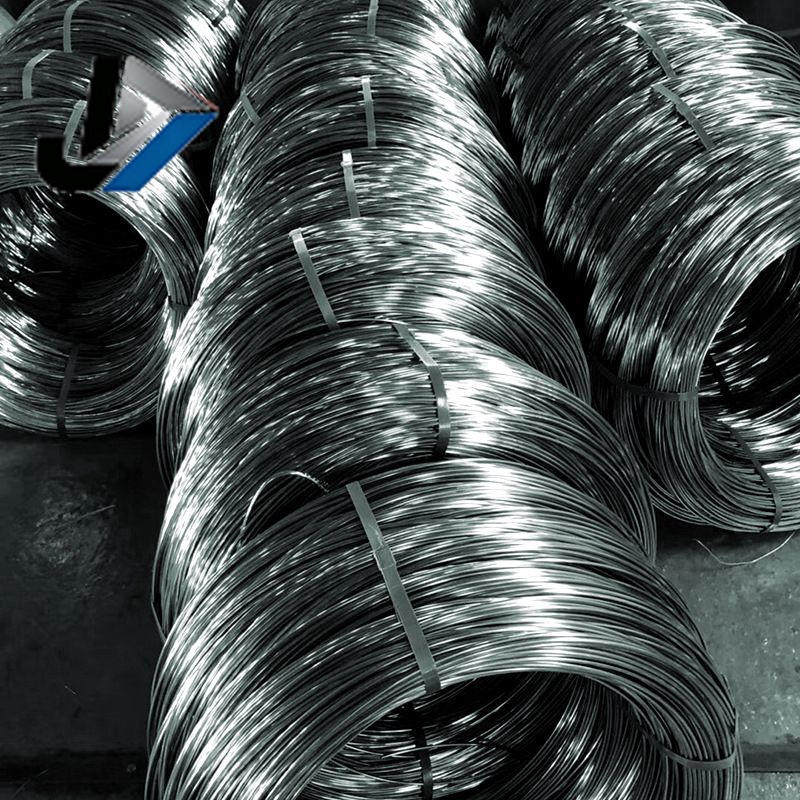
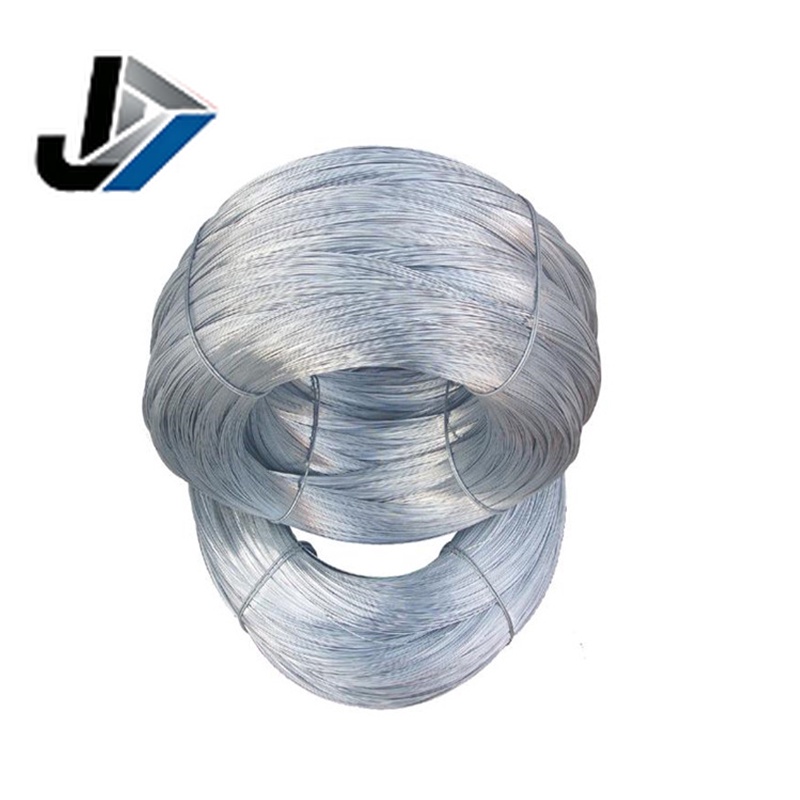
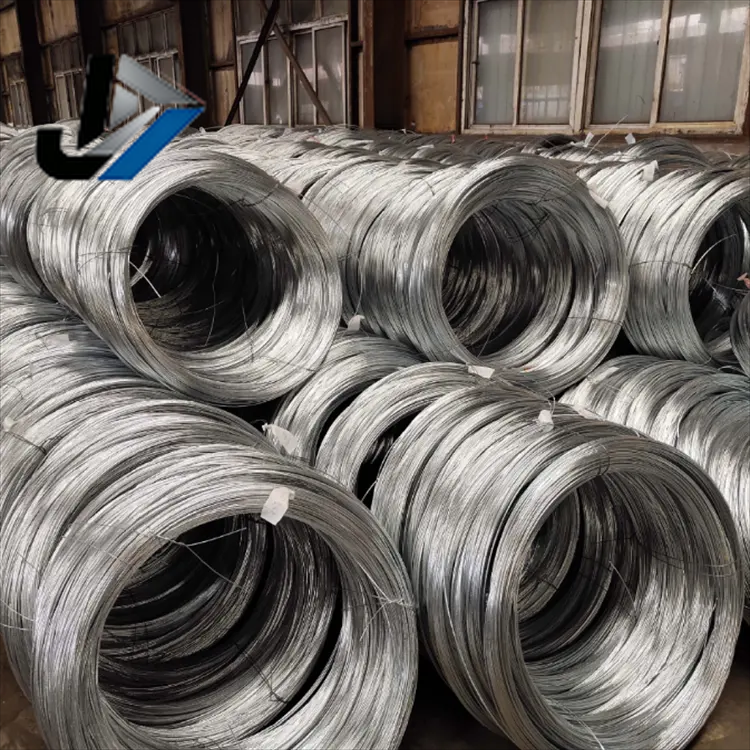
Short Description
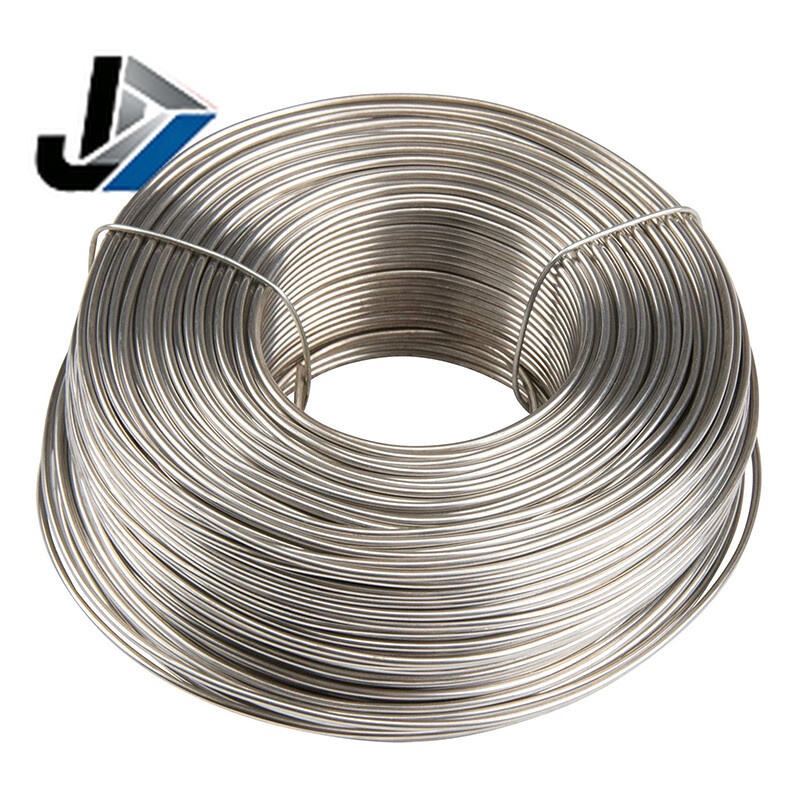
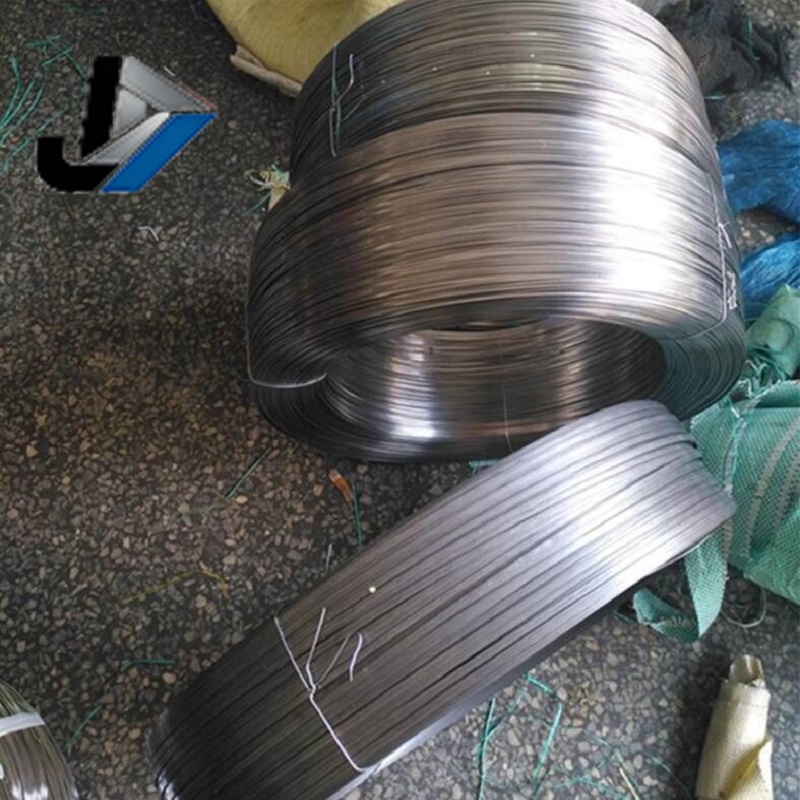
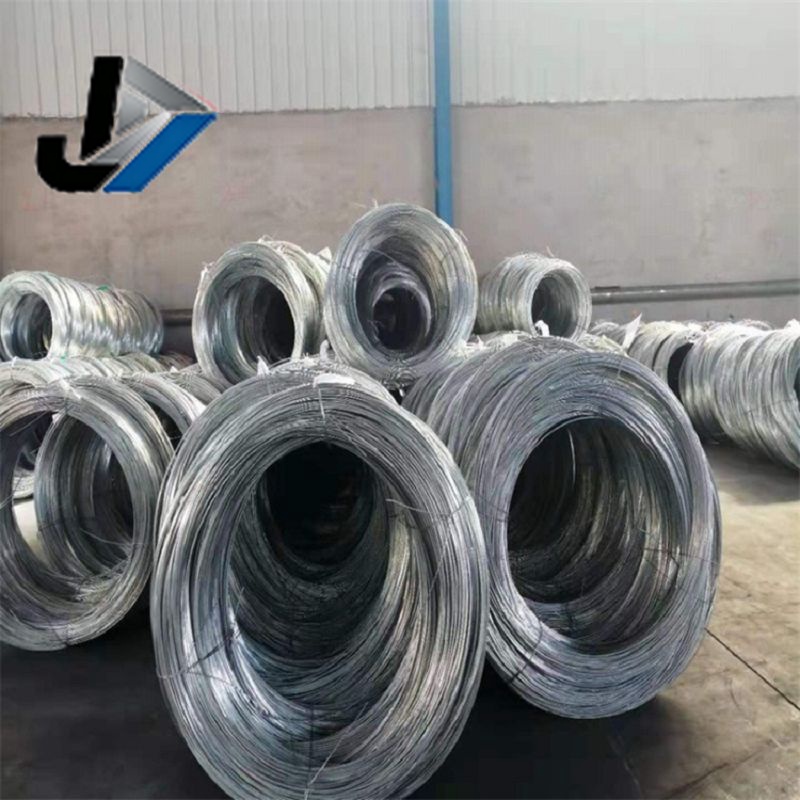
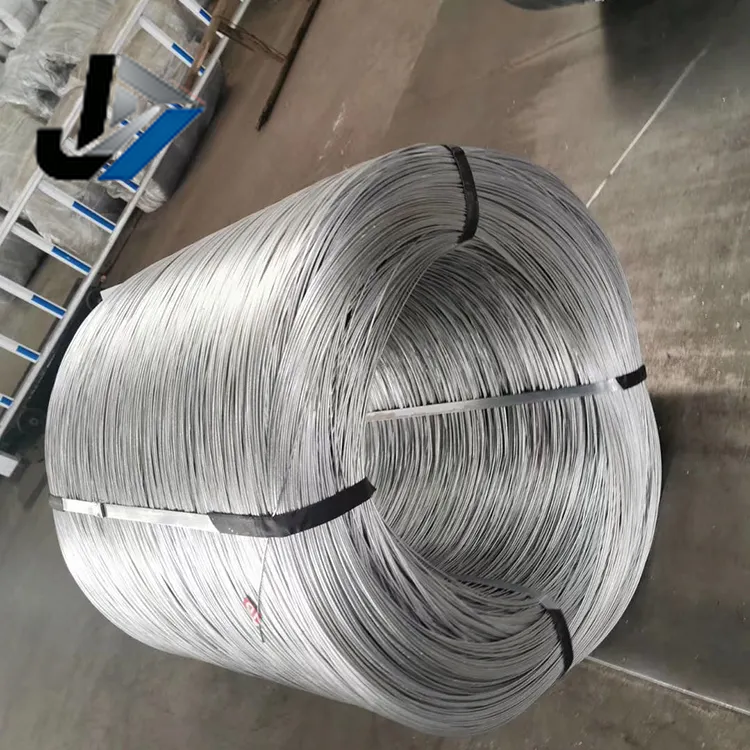
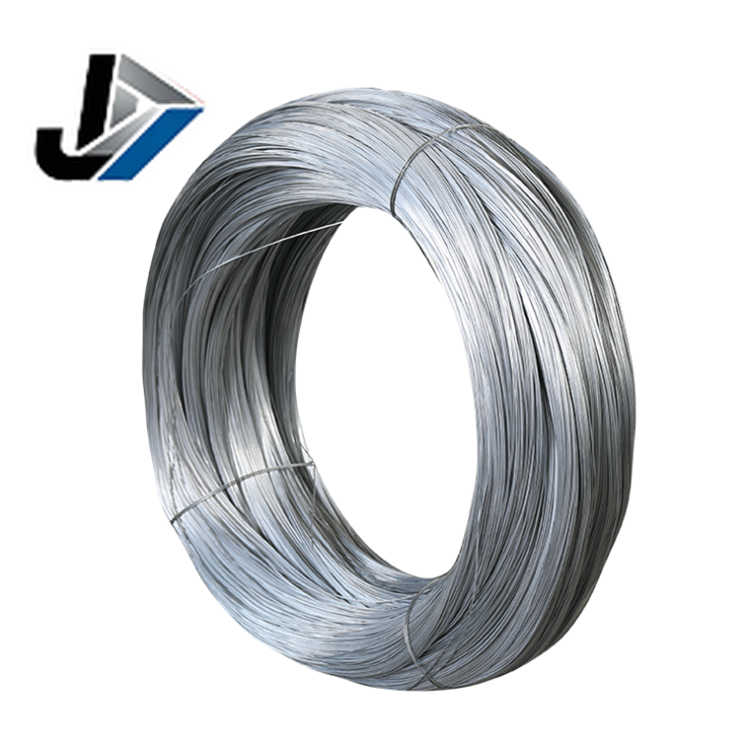
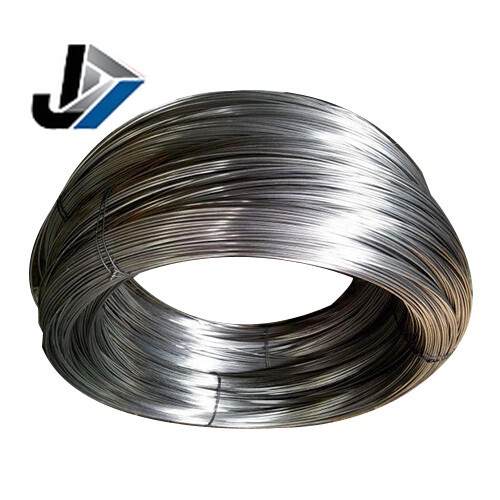
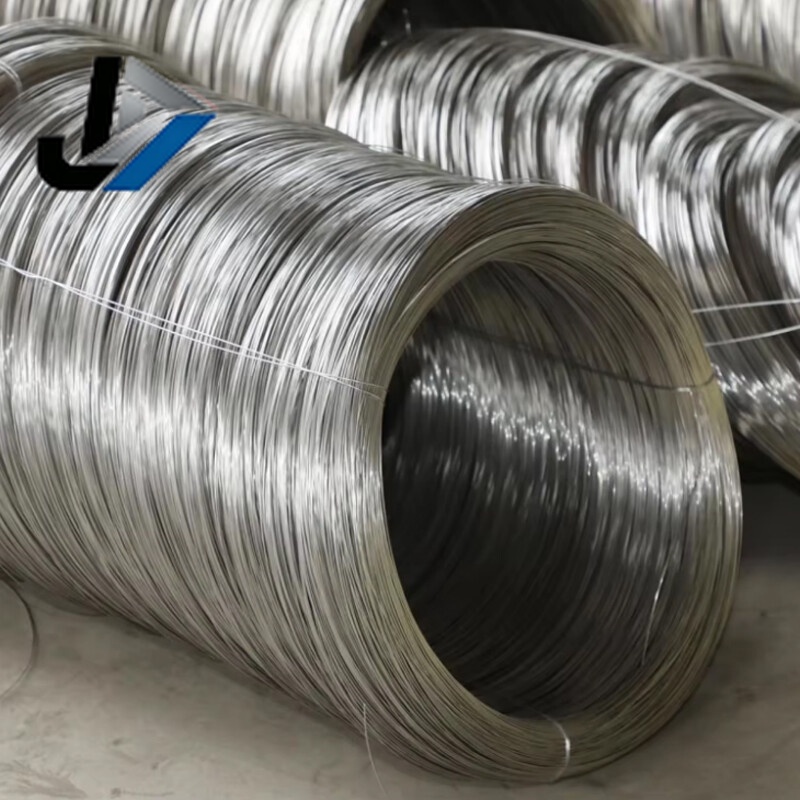
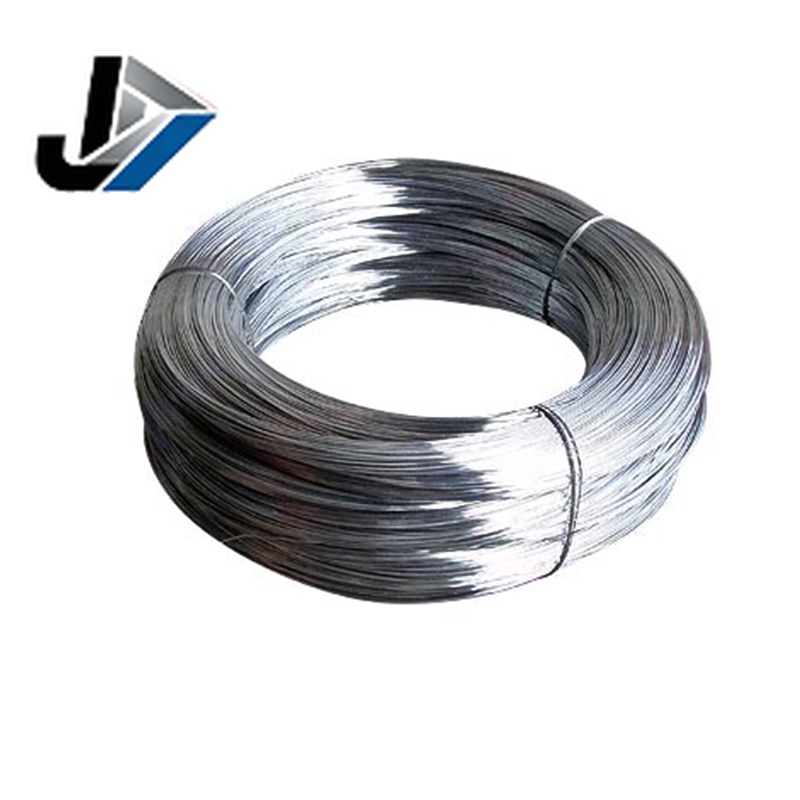
We supply 317 stainless steel wire — a higher-alloy austenitic wire with more chromium and more molybdenum than 316, specified where 316 is marginal against chloride pitting, crevice corrosion and organic or mineral acids — available as 317 and 317L (UNS S31700 / S31703 family) in diameters from 0.1 mm to 6 mm, in bright annealed, polished, cut-length or welded-mesh form. The practical difference from 316 is straightforward: with roughly 18–20% chromium and 3–4% molybdenum, 317 gives a higher pitting-resistance equivalent number and a measurably wider margin in chloride and acidic service. It is the grade buyers move to when 316 has already shown pitting, when the medium contains chlorides plus acid, or when the design calls for a higher corrosion allowance in chemical, pulp-and-paper and process-water equipment.
Two things we state clearly up front. First, 317 is a corrosion-resistance grade, not a heat-resistance grade — for sustained furnace or kiln temperature the correct family is 310 / 310S. Second, 317 is a less commonly stocked grade than 304 or 316, so diameter, quantity and lead time should be confirmed before ordering; we advise the achievable sizes and production route in the quotation rather than after payment.
Wire is produced from quality rod, drawn with intermediate annealing and pickling, and finished to your required surface condition, temper, straightness and coil or cut-length form, with composition and mechanical properties certified per heat.
| Name | 317 Stainless Steel Wire |
| Main material | 317 /317L |
| Surface finish | Matt or bright |
| Diameter | 0.03-20mm or custom |
| Standard | GB/AISIIS/SUS/UNS/DIN/BS |
| Length | 500m-2000m/reel or as your requirement |
| Application | Spring, BBQ mesh, wire forms, cable, clothes hanger, dish rack, |
| Artistic work, fishery, steel wire ball, precise instrument, medical instrument, oil field etc. |
| Features | Bright surface/good formability/good elasticity/High dimensional accuracy/anti- |
| corrosion/acid-resistant/high temperature resistant/wear-resistant/ hard to age/high |
| tensile strength/chemical composition stability/purity |
| Price Term | Ex-Work,FOB, CIF, CFR |
| Package | 1. Carton package |
| 2. Wooden package |
| 3. As your requirement |
Composition of Stainless Steel
Steel is an alloy of iron and carbon. Stainless steels are steels containing at least 10.5% chromium, less than 1.2% carbon and other alloying elements. Stainless steel’s corrosion resistance and
mechanical properties can be further enhanced by adding other elements, such as nickel, molybdenum, titanium, niobium, manganese, etc.
| Grade | C | Si | Mn | P | S | Cr | Ni | Mo | N | Cu |
| 201 | ≤0.15 | ≤0.75 | 5.5~7.5 | ≤0.060 | ≤0.03 | 16.00~18.00 | 3.5~5.5 | - | - | 0.08 |
| 202 | ≤0.15 | ≤1.00 | 7.5~10.00 | ≤0.060 | ≤0.03 | 17.00~19.00 | 4.0~6.0 | - | ≤0.25 |
|
| 301 | ≤0.15 | ≤1.00 | ≤2.00 | ≤0.045 | ≤0.03 | 16.00~18.00 | 6.00~8.00 | - |
|
|
| 302 | ≤0.15 | ≤1.00 | ≤2.00 | ≤0.035 | ≤0.03 | 17.00~19.00 | 8.00~10.00 | - |
|
|
| 304 | ≤0.07 | ≤1.00 | ≤2.00 | ≤0.045 | ≤0.03 | 18.00~20.00 | 8.00~10.50 | - |
|
|
| 304L | ≤0.030 | ≤1.00 | ≤2.00 | ≤0.045 | ≤0.03 | 18.00~20.00 | 9.00~13.00 | - |
|
|
| 310S | ≤0.08 | ≤1.00 | ≤2.00 | ≤0.045 | ≤0.03 | 24.00~26.00 | 19.00~22.00 | - |
|
|
| 316 | ≤0.08 | ≤1.00 | ≤2.00 | ≤0.045 | ≤0.03 | 16.00~18.00 | 10.00~14.00 | 2.00~3.00 |
|
|
| 316L | ≤0.03 | ≤1.00 | ≤2.00 | ≤0.045 | ≤0.03 | 16.00~18.00 | 12.00~15.00 | 2.00~3.00 |
|
|
| 321 | ≤0.08 | ≤1.00 | ≤2.00 | ≤0.045 | ≤0.03 | 17.00~19.00 | 9.00~13.00 | - |
|
|
| 430 | ≤0.12 | ≤0.75 | ≤1.00 | ≤0.040 | ≤0.03 | 16.00~18.00 |
| - |
|
|
| 2205 | ≤0.03 | ≤1.00 | ≤2.00 | ≤0.030 | ≤0.015 | 22.00~23.00 | 4.5~6.5 | 2.5~3.5 |
|
|
| 2507 | ≤0.03 | ≤0.08 | ≤1.20 | ≤0.035 | ≤0.015 | 24.00~26.00 | 6.00~8.00 | 3.0~5.0 |
|
|
| 904L | ≤0.02 | ≤1.00 | ≤2.00 | ≤0.045 | ≤0.035 | 19.00~23.00 | 23.00~28.00 | 4.0~5.0 |
| 1.0~2.0 |
| INCONEL028 | ≤0.03 | ≤1.00 | ≤2.50 | ≤0.030 | ≤0.030 | ≤28.0 | ≤34.0 | ≤4.0 |
| ≤1.4 |
| MONEL400 | ≤0.30 | ≤0.5 | ≤2.00 | - | ≤0.024 | - | ≥63.0 | - |
| ≤34.0 |
| INCONEL800 | ≤0.10 | ≤1.00 | ≤1.50 | - | ≤0.015 | ≤23.0 | ≤35 | 4.0~5.0 | - | ≤0.75 |
317 and 317L: Which One to Order
| Grade | Carbon (indicative) | Main characteristic | Typical selection |
|---|
| Grade | Carbon (indicative) | Main characteristic | Typical selection |
|---|
| 317 | approx. ≤ 0.08% | General-purpose 317 wire | Non-welded parts, screens, mesh, corrosive service |
| 317L | approx. ≤ 0.03% | Low carbon; reduced sensitization risk | Welded mesh, fabricated assemblies, welded structures |
Carbon limits and property values are indicative. The governing figures are those in the applicable standard (ASTM A580, GB/T 4240, JIS G4309, EN 10088-3 or your specification) and in the mill test certificate for the delivered heat.
Selection rule: if the wire will be welded after forming, specify 317L; for non-welded wire, mesh and components, 317 is normally sufficient. Where the specification names 317LM / 317LMn (S31725 / S31726) with added nitrogen and manganese, tell us — these are supplied as a separate grade with its own composition and availability.
Pitting resistance in perspective (indicative PREN)
| Grade | PREN (approx.) | Practical meaning |
|---|
| Grade | PREN (approx.) | Practical meaning |
|---|
| 304 | approx. 19 | Adequate indoors, weak in chlorides |
| 316 / 316L | approx. 24–26 | Good chloride and pitting resistance |
| 317 / 317L | approx. 30–32 | Higher margin in chloride and acidic service |
| 2205 duplex | approx. 32–34 | Very high, plus roughly double the yield strength |
This is the technical reason buyers move from 316 to 317: more chromium and more molybdenum buy a wider corrosion margin, particularly where chlorides are combined with acid. It is also the reason 317 is not automatically correct — if the real requirement is high temperature, high strength or lowest cost, another family is the better specification.
Mechanical Properties (Typical)
Values are indicative and depend on diameter, temper and processing history; the governing figures are those in the applicable standard and in the mill test certificate for the delivered heat.
| Condition | Tensile strength (approx.) | Elongation (approx.) | Typical use |
|---|
| Condition | Tensile strength (approx.) | Elongation (approx.) | Typical use |
|---|
| Annealed (soft) | 500–700 MPa | 30–45% | Weaving, forming, welded mesh, deep drawing |
| Quarter / half hard | 700–1000 MPa | 20–35% | Mesh, screens, parts needing moderate stiffness |
| Spring temper | 1000–1600 MPa | 8–20% | Springs, clips, tensioned wire forms |
Strength note: 317 is a corrosion-driven specification. Its yield strength is in the same range as 304 and 316 and is lower than duplex 2205. If the component is sized by load rather than by corrosion, 2205 may allow a smaller diameter and lower weight — we will advise if you share the design condition.
Two engineering cautions we state openly:
- Sensitization. Like other austenitic grades, 317 held in roughly the 450–850 °C range — including welding without proper practice — can lose corrosion resistance at the heat-affected zone. Where welding or post-form heat exposure occurs, specify 317L.
- Chloride stress-corrosion cracking. Austenitic grades including 317 can suffer chloride SCC, with risk rising notably above roughly 60 °C under sustained tensile stress in chloride-containing media. If the service is hot chloride plus load, tell us — 2205 duplex is often the technically correct alternative.
Typical Applications
- Chemical and petrochemical processing — screens, filters, supports, fabricated parts in chloride-containing and acidic media
- Pulp and paper industry — digester and bleach-plant components, screens and wire parts where chlorides and acids combine
- Organic acid service — acetic, formic and similar acid exposures where 316 is marginal
- Marine and coastal high-chloride — mesh, screens and components where 316 has shown pitting
- Water treatment and process water — filtration screens, ion-exchange and treatment plant parts
- Food and beverage / pharma — hygienic screens and components in aggressive cleaning regimes
- Welded assemblies — 317L mesh, cages and fabricated structures in corrosive service
- Springs and formed wire — corrosion-exposed springs, clips and wire forms
Where the requirement is primarily high temperature, ask us about 310 / 310S; where it is high strength plus chloride resistance, ask about 2205; where the duty is more severe still, ask about 904L and higher-alloy grades.
Availability, MOQ and Lead Time — What to Expect
Because 317 is specified less often than 304 or 316:
- Stock sizes are narrower. Common diameters are produced to order rather than held in depth; unusual sizes may need a dedicated production run.
- Minimum quantities can apply. Small-diameter or non-standard sizes may carry an MOQ tied to the rod and drawing route.
- Lead time is longer. Plan on a longer production window than for 304/316, especially for polished finishes, mesh fabrication or large diameters.
- Cost is higher. The alloy content and lower volume both raise price per ton; we quote honestly rather than substitute a "similar" grade.
We confirm achievable diameter, MOQ and lead time before you commit. If your design allows 316L without loss of performance, we will say so — and if it does not, we will say that too.
Downstream Products We Supply from 317 Wire
- Welded and woven mesh for filtration, screening and protective guards
- Straightened and cut lengths for pins, rods and fabricated parts
- Polished wire for visible or hygienic components
- Springs and formed wire for corrosion-exposed spring applications
- Baskets, trays and fabricated assemblies produced in-house
Ordering the finished form from us removes a processing step and keeps composition and traceability under one supplier's control.
Processing Services for This Product
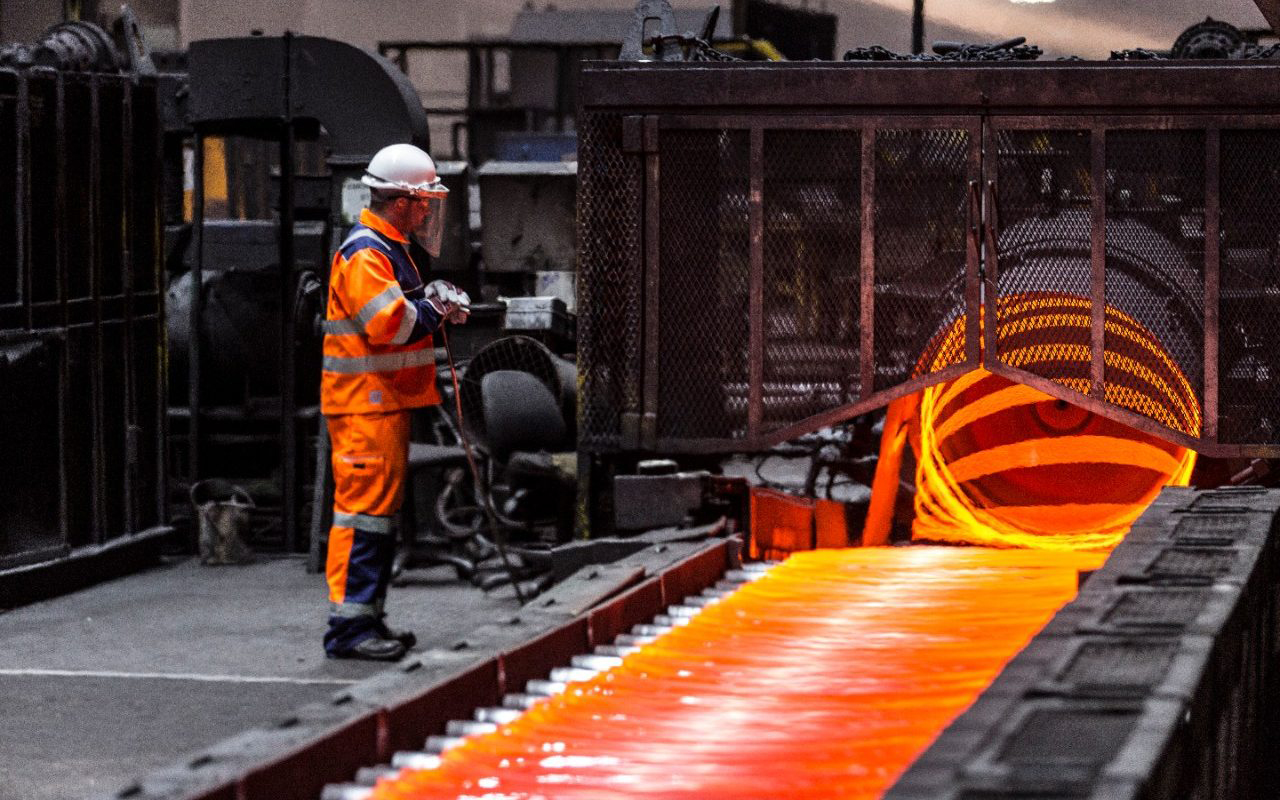
Wire drawing — multi-pass drawing with intermediate annealing and pickling to the required diameter and tolerance.
Bright annealing and pickling — controlled atmosphere annealing for bright surface, or pickled matte finish.
Polishing and buffing — polished surface for visible, hygienic or low-friction applications.
Straightening and cutting — cut to length with controlled straightness for pins, rods and fabricated parts.
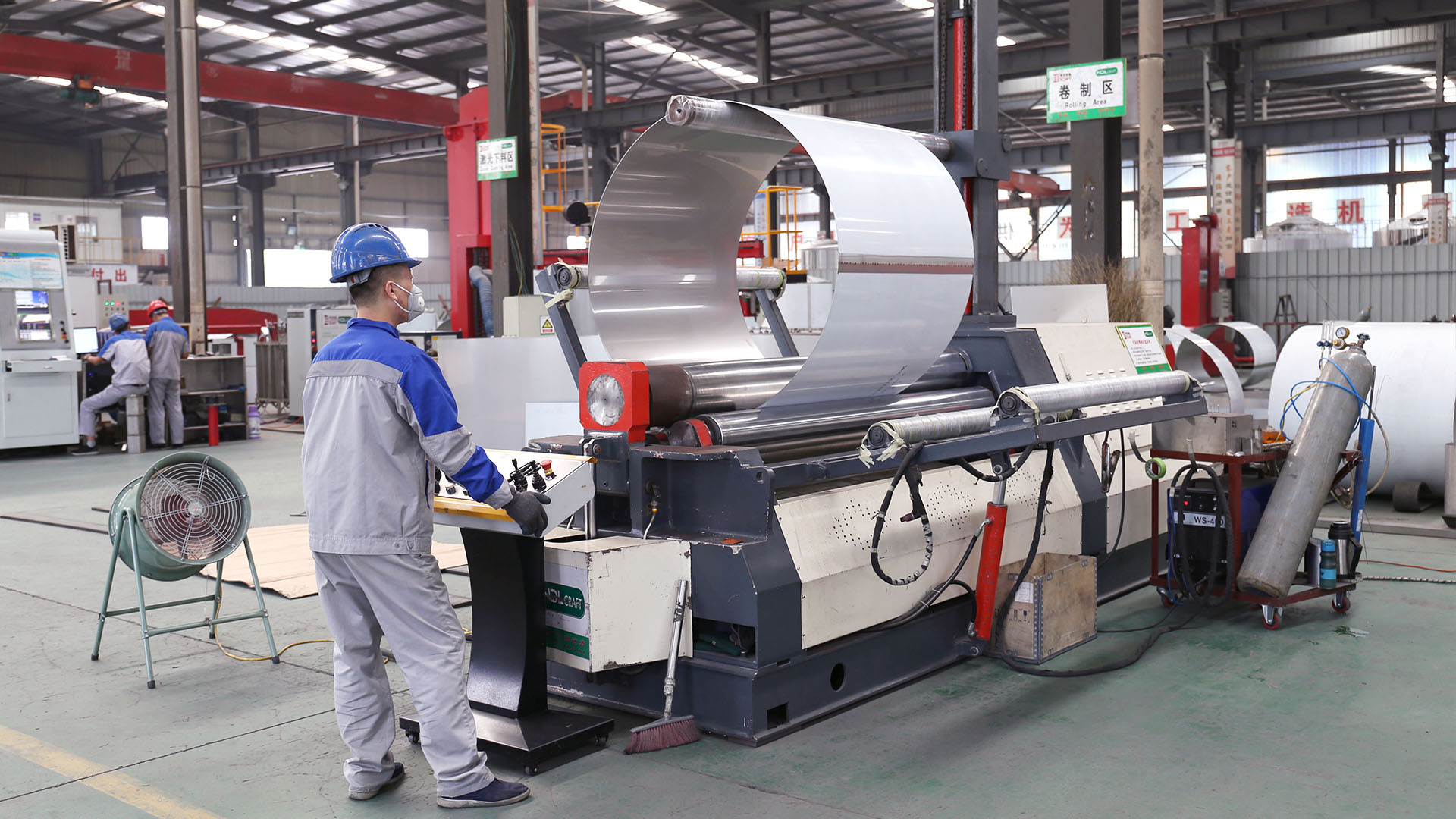
Mesh and forming — welded mesh, woven mesh, springs, baskets and formed components produced in-house.
Marking and traceability — coils and bundles marked with grade, diameter, heat number, finish and project mark number.
Send your medium and concentration, temperature, target diameter, finish and mechanical requirement and we will confirm the grade and processing route before quotation.
Packaging & Shipping
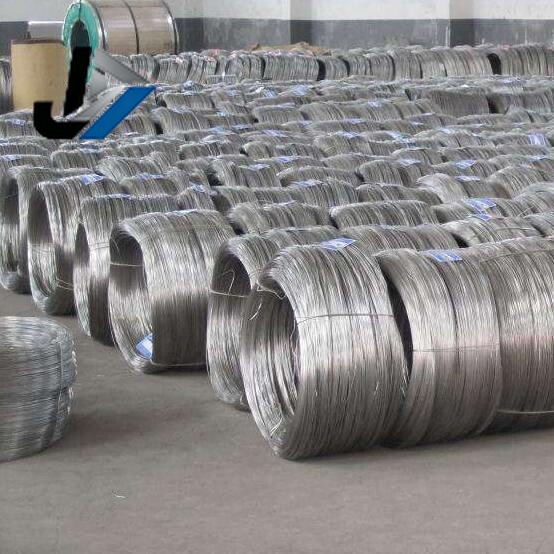
- Coils wound on plastic or wooden reels, individually bagged or wrapped
- Cut lengths bundled with timber supports to preserve straightness
- Polished wire double-wrapped with moisture barrier and protective interleaving
- Marking of grade, diameter, finish, heat number and standard on each package
- Documents: MTC, packing list, invoice, bill of lading, inspection report where arranged
- Loading planned to prevent coil crushing, tangling and surface damage
Call to Action
Specifying 317 for a severe corrosive application?
Send us the medium and concentration, temperature, load condition, target diameter, finish, grade (317 / 317L), quantity and destination port — and tell us whether the wire will be welded. Our technical team will confirm the correct grade, achievable size and lead time, and reply with an export quotation within 24 hours.Click here to get a quote now. Related Technical Articles:
TEL:+86 19063793739 / +86 029 86382955
WhatsApp:+86 19033681875
Email:judesteel@juqing.hk
Factory audit, sample coils and third-party inspection are welcome.